


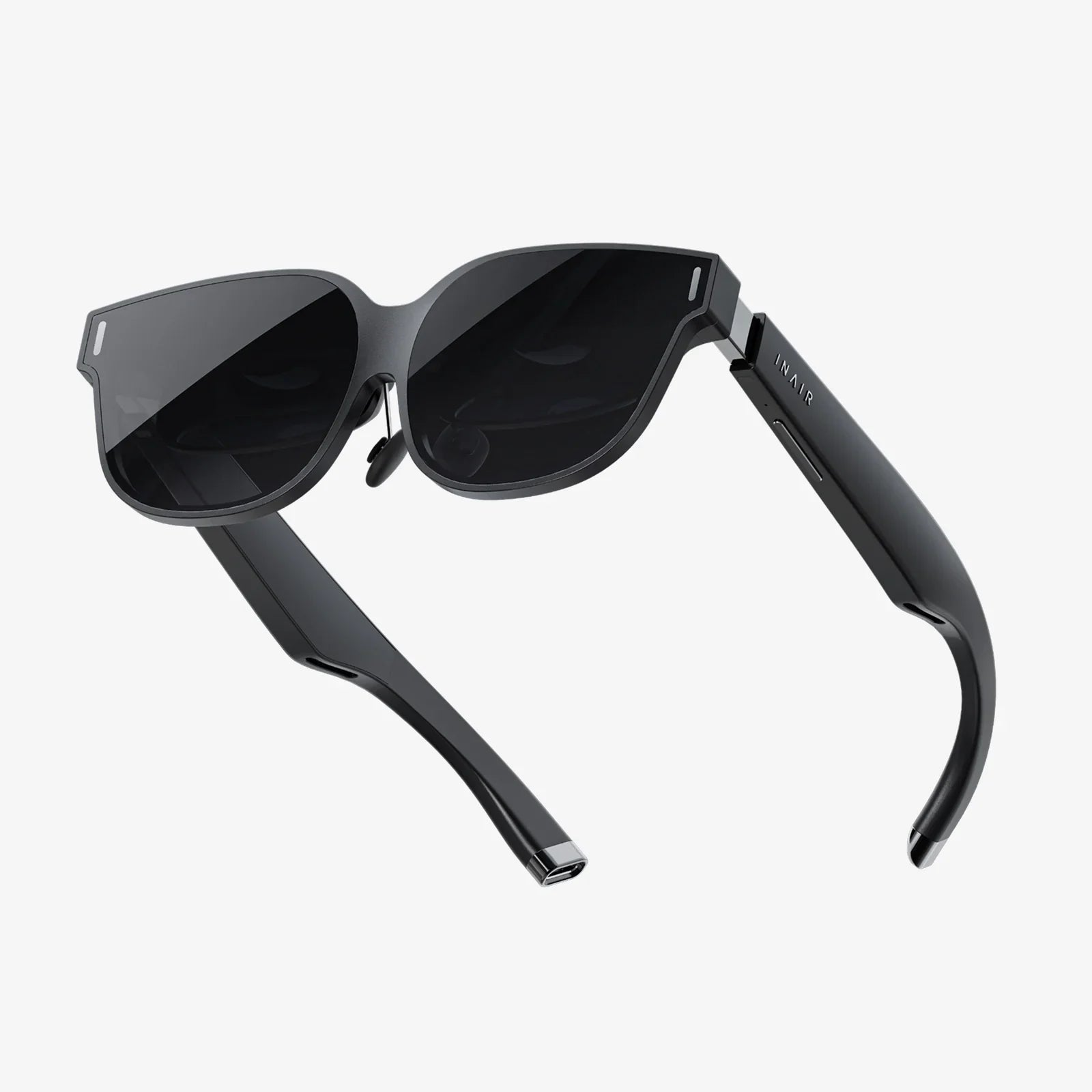
Imagine slipping on a device that instantly transports you to a front-row concert seat, a virtual boardroom halfway across the globe, or a meticulously recreated ancient ruin—all from the comfort of your living room. This is no longer the stuff of science fiction; it's the compelling reality of the 2025 virtual reality landscape. The pace of innovation has been nothing short of breathtaking, transforming VR headsets from niche gaming peripherals into powerful portals for work, social connection, and boundless exploration. This guide is your essential map to navigating this exciting and rapidly evolving terrain, designed to help you cut through the noise and find the perfect gateway to your new reality.
The 2025 VR Ecosystem: More Than Just Gaming
The most significant shift in the VR market by 2025 is its dramatic expansion beyond its gaming roots. While high-fidelity interactive entertainment remains a massive driver, the technology has firmly entrenched itself in professional and social spheres.
The Enterprise Metaverse: Corporations are increasingly adopting VR for training, design collaboration, and remote work. Architects walk clients through unbuilt structures, medical students practice complex procedures without risk, and global teams meet in persistent virtual offices that feel tangibly present. This has spurred demand for headsets with exceptional resolution, comfortable extended-wear design, and advanced eye and hand tracking for intuitive interaction.
Social & Live Events: Platforms dedicated to social VR have exploded in popularity. Users are no longer represented by simple avatars but by highly expressive, full-body digital representations that can convey nuance and emotion. Attending a live music performance, a comedy show, or a movie premiere with friends from around the world in a shared virtual space has become a mainstream pastime, demanding headsets with strong built-in audio solutions and precise spatial audio.
Decoding the Specs: What Really Matters in 2025?
Technical specifications can be overwhelming. Here’s a breakdown of the key features to understand before making a purchase.
Display & Visual Fidelity
The quest for the "retina" VR display—where the human eye can no longer discern individual pixels—is largely over. Most 2025 headsets feature stunning resolution, often exceeding 4K per eye.
- Resolution & PPD (Pixels Per Degree): Look beyond the raw resolution numbers. PPD is a more accurate measure of clarity, indicating how many pixels are packed into each degree of your field of view. A PPD of 40-45 is now standard for high-end devices, eliminating the "screen door effect" entirely.
- Lenses: Pancake lenses have become the industry standard, replacing the older, heavier Fresnel lenses. They allow for a much slimmer and lighter headset design while providing a larger "sweet spot" of clarity and significantly reduced glare.
- High Dynamic Range (HDR): Once a TV feature, HDR is now critical for VR. It provides a much wider range of contrast and color, making virtual worlds feel more vibrant, realistic, and immersive, especially in scenes with both bright highlights and deep shadows.
- Field of View (FoV): A wider FoV increases immersion. While standard FoV sits around 100-110 degrees, several 2025 headsets push this to 120 degrees or more, offering a more natural and encompassing view.
Tracking & Interaction
How you interact with the virtual world is just as important as how you see it.
- Inside-Out Tracking: External sensors are now a relic of the past. All modern headsets use sophisticated inside-out tracking, with multiple embedded cameras mapping your room and tracking the position of your controllers (and your hands) with flawless precision.
- Eye & Face Tracking: Once a high-end luxury, eye tracking is becoming a common feature. It enables Foveated Rendering, a technique that dramatically boosts performance by rendering only the area you're directly looking at in full detail. It also enables incredibly expressive avatars that mirror your real-life eye movements and expressions. This is a key technology for social presence.
- Hand Tracking: The ability to interact using your bare hands, without controllers, has matured immensely. Gestures like pinching, grabbing, and pointing are now highly accurate and low-latency, making many experiences feel more natural and intuitive.
Form Factor & Comfort
Comfort is paramount for extended use, and design philosophies have diverged.
- Tethered (PCVR/Console): Connected to a powerful external computer or console, these headsets deliver the absolute peak of visual fidelity and performance for hardcore gamers and professionals. The trade-off is a physical cable that can limit movement.
- Standalone (Untethered): All-in-one devices with their own processing power, battery, and onboard software. They offer complete freedom of movement and incredible convenience. The performance gap with tethered headsets has narrowed significantly in 2025, thanks to more powerful mobile chipsets.
- Mixed Reality (MR) Passthrough: This is arguably the headline feature of 2025. High-resolution, full-color video passthrough is no longer a blurry safety feature but a primary mode of interaction. It allows you to see your physical environment clearly through the headset's cameras, enabling digital objects to be placed seamlessly into your real world for productivity and new forms of entertainment. The quality of the passthrough cameras is a critical differentiator.
Defining Your VR Profile: Finding Your Perfect Match
With the landscape defined, the best headset for you depends entirely on your primary use case. We can categorize users into three main profiles.
The Immersive Enthusiast
Priority: Top-tier visual fidelity, expansive game libraries, high-performance tracking.
Best Fit: A high-end tethered headset. You'll need a powerful computer to match, but you'll be rewarded with the most graphically stunning and responsive experiences available. Look for maximum resolution, wide FoV, and premium features like eye tracking.
The Versatile Mainstream User
Priority: A balance of great performance, convenience, and a wide array of experiences (gaming, fitness, social, media).
Best Fit: A premium standalone headset. This is the most popular category for a reason. These devices offer excellent quality without the need for an expensive PC, and their robust app stores provide endless content. Strong MR passthrough capabilities are a major bonus here.
The Productivity Pioneer
Priority: Comfort for all-day wear, crystal-clear resolution for reading text, and best-in-class Mixed Reality for virtual monitors and 3D design.
Best Fit: A productivity-focused standalone or tethered headset. Key features include a lightweight ergonomic design (often with an optional top strap for better weight distribution), the absolute highest PPD for sharp text, and superior full-color passthrough for blending digital workspaces with your physical desk.
Beyond the Hardware: The Software That Breathes Life into VR
A headset is just a window; the software is the world you see through it. The ecosystem you buy into is crucial.
- Content Library: Investigate the platform's store. Does it have the exclusive titles you want? Is there a healthy mix of games, fitness apps, and social experiences? Check for media apps like streaming services for virtual movie nights.
- Social Platforms: If connecting with others is your goal, see which social VR platforms are supported and most active on your chosen device. These are the metaverse's equivalent of social networks.
- Productivity Suite: For work, see what office and collaboration software is available natively. The ability to use multiple virtual monitors or collaborate on 3D models can be a game-changer.
Future-Proofing Your Investment
VR technology is advancing quickly. While you can't predict everything, you can make a smart choice.
- Focus on Core Tech: Prioritize headsets with features that are becoming standard, like high-PPD displays, pancake lenses, and good MR passthrough. These are the foundations of the next generation.
- Controller Compatibility: Some ecosystems allow you to carry forward your controllers to a new headset, protecting that part of your investment.
- Platform Longevity: Invest in an ecosystem from a manufacturer with a clear, committed roadmap to continued support and new content.
The virtual threshold awaits, and the possibilities on the other side are more incredible and accessible than ever before. This guide has armed you with the knowledge to step through it with confidence, ready to find the headset that doesn't just show you a new world, but feels like a natural extension of your own. Your journey into the next dimension starts now.
Share:
Innovations in AR XR Devices 2025: The Year Reality Gets a Major Upgrade
VR Headset Buy Online: The Ultimate Guide to Making an Informed Purchase