


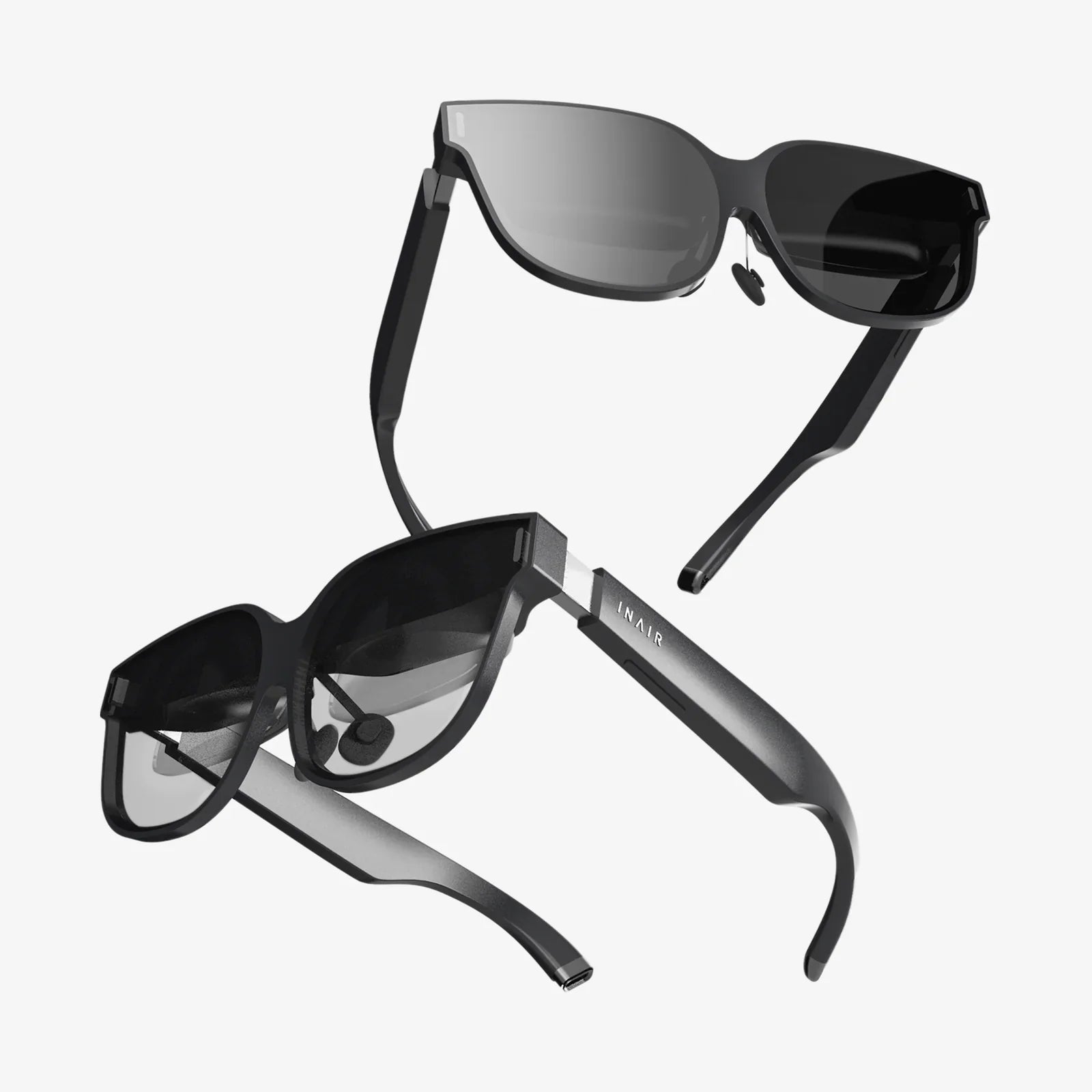
Imagine slipping on a device and instantly being transported to a front-row seat at a concert, a strategic command center in a distant galaxy, or a collaborative workspace that defies the laws of physics. This is no longer the stuff of science fiction; it's the tangible promise delivered by the latest generation of VR headsets. The industry is in the midst of a seismic shift, moving beyond clunky prototypes and niche applications to deliver polished, powerful, and profoundly immersive experiences that are redefining our connection to digital worlds. The buzz surrounding the newest hardware isn't just hype—it's a testament to a technology finally coming into its own.
The Pursuit of Visual Perfection: Resolution, Optics, and Beyond
For years, the tell-tale sign of a VR experience was the "screen door effect," that faint grid of lines separating pixels that could shatter immersion. The latest models have declared war on this artifact, achieving visual clarity that was once a distant dream.
Modern headsets are equipped with displays boasting resolutions that push into the realm of 4K per eye and beyond. This pixel density is so high that individual pixels become virtually indistinguishable, creating a seamless and lifelike picture. This leap is crucial not just for gaming but for professional applications like CAD design, medical training, and virtual tourism, where detail is paramount.
Equally important to the displays themselves are the lenses through which we view them. Pancake lenses represent a monumental leap in optical engineering. Unlike traditional Fresnel lenses, which are bulky and can cause god rays and glare, pancake lenses use a folded path design. This allows for a significantly slimmer and lighter headset profile while simultaneously providing a larger "sweet spot"—the area where the image remains in clear focus—and edge-to-edge clarity. This reduces eye strain and makes the headset more comfortable for extended use, removing a significant barrier to adoption.
Furthermore, advanced features like eye-tracking are moving from premium add-ons to integrated standards. This technology does more than just allow avatars to make realistic eye contact. It enables foveated rendering, a revolutionary technique where the headset renders only the specific area where the user's eyes are focused in high detail, while subtly reducing the rendering load on the peripheral vision. This massively optimizes performance, allowing for richer, more complex graphical worlds without requiring a corresponding exponential increase in computing power.
Cutting the Cord: The Era of Standalone and Wireless Freedom
The tripping hazard of a tether connecting a headset to a powerful computer has long been one of VR's most significant limitations. The latest generation offers two compelling solutions to this problem, each catering to a different user need.
On one front, standalone headsets have become incredibly powerful. These all-in-one devices contain their own processor, memory, and battery, requiring no external PC or console. The latest iterations are powered by chipsets designed specifically for immersive computing, delivering performance that rivals older tethered setups. This untethered freedom is transformative, allowing users to spin, duck, and move without a second thought, making VR truly room-scale in any environment. The convenience factor cannot be overstated; picking up a headset and being in a virtual world within seconds is a game-changer for casual use, fitness applications, and social spaces.
For users who demand the absolute highest fidelity experiences, typically powered by high-end gaming PCs, a new wireless standard has emerged. Many new PC-connected headsets now offer a wireless accessory or mode that uses advanced transmission protocols to send high-bandwidth data with minimal latency. This technology effectively cuts the cord without sacrificing the graphical horsepower that a desktop computer provides, offering the best of both worlds: peak performance and complete freedom of movement.
Seeing the World Anew: Inside-Out Tracking and the Mixed Reality Revolution
Gone are the days of setting up external base stations or sensors around a room. The industry standard is now inside-out tracking. This technology uses a constellation of wide-angle cameras embedded on the headset itself to constantly map the physical environment. By understanding the geometry of the room, the headset can track its own position and the movement of its controllers with astonishing precision, all without any external hardware.
This capability has paved the way for the most significant new feature in recent headsets: full-color, high-resolution passthrough. This technology uses the headset's cameras to create a real-time video feed of the real world, which is then displayed inside the headset. The latest models have transformed this from a grainy, distorted safety feature into a clear, usable visual layer.
This is the foundation of Mixed Reality (MR). MR blends digital content with the physical environment. Imagine a virtual television pinned to your real wall, a interactive strategy game taking place on your actual coffee table, or a virtual monitor sitting seamlessly next to your physical laptop. Developers are now creating MR-native applications that use your space as a canvas, from virtual home decor apps to immersive guided tutorials that overlay instructions directly onto your real-world equipment. This blurring of lines between the real and the virtual is arguably the most exciting frontier for the technology, expanding its utility far beyond entertainment.
Design and Comfort: Wearing the Future
As technology has miniaturized, headset design has evolved from face-mounted bricks to sophisticated wearable devices. The latest models prioritize ergonomics and user comfort through several key innovations.
There is a clear trend away from front-heavy designs that press against the user's face, often leading to discomfort and the dreaded "VR face" marks. Newer headsets employ a more balanced weight distribution, often using a rigid strap that cups the back of the skull, pulling the weight up and away from the cheeks. This style, reminiscent of a baseball cap, is far more comfortable for long sessions.
Materials have also improved, with softer, breathable facial interfaces becoming the norm, many of which are removable and washable. Adjustability is also key, with dial-fit mechanisms for finding the perfect tightness and integrated audio solutions that provide high-quality, immersive spatial sound without the need for separate headphones. The goal is to make the hardware disappear, allowing the user to forget they are wearing technology and focus entirely on the experience within.
The Software Ecosystem: Building Worlds to Explore
The most powerful hardware is meaningless without compelling software. The ecosystem for VR and MR has matured dramatically, driven by these technological advances.
The library of games is deeper and more polished than ever, with major studios and indie developers alike creating expansive, narrative-driven adventures, intense multiplayer competitions, and innovative fitness titles that leverage the full-body engagement of VR. The increased horsepower of new headsets means these worlds are more detailed, more realistic, and more interactive.
Beyond gaming, the enterprise and productivity sectors are flourishing. Architects walk clients through virtual builds of unconstructed buildings, medical students practice complex procedures on virtual patients, and remote teams collaborate in shared virtual offices as if they were in the same room. The fidelity of new headsets makes these professional applications not just possible but practical and highly effective.
Challenges and the Road Ahead
Despite the incredible progress, challenges remain. Battery life for standalone devices, while improving, still limits multi-hour sessions without a external battery pack. The issue of accessibility and cost is also pertinent; while more affordable options exist, the cutting-edge technology explored in this article still commands a premium price point.
Looking forward, the trajectory is clear. We can expect further miniaturization, perhaps culminating in glasses-like form factors that are socially acceptable to wear in public. Haptic feedback will evolve beyond controllers to include vests and gloves, providing a true sense of touch. Advancements in brain-computer interfaces may even allow for neural input, controlling the virtual world with thought. The foundational advancements in the latest headsets—clarity, freedom, and mixed reality—are not the end point. They are the powerful engine that will drive us into the next chapter of human-computer interaction, transforming how we work, learn, play, and connect.
The door to the virtual world is now open, and the view has never been clearer. These aren't just incremental upgrades; they are the definitive pieces of hardware building the foundation for the metaverse and beyond, offering a glimpse into a future where our digital and physical lives are seamlessly intertwined. The question is no longer if you will step through, but when.
Share:
Android AR Headset: The Unseen Revolution in Your Pocket
How to Make 3D Models for VR: The Complete Guide to Immersive Creation