


The digital realm is converging with our physical reality at an unprecedented pace, and at the forefront of this revolution sits the humble yet powerful VR headset. What was once a fantastical concept relegated to science fiction is now a tangible, growing market poised to redefine how we work, play, learn, and connect. The journey of the VR headset market is a rollercoaster of explosive hype, sobering reality checks, and a gradual, determined march toward mainstream relevance. It’s a story not just of technology, but of human adaptation, economic ambition, and a fundamental reimagining of experience itself. To understand its trajectory is to glimpse a significant piece of our digital future.
The Meteoric Ascent: From Niche Novelty to Mainstream Ambitions
The modern chapter of the VR headset market began in earnest in the early 2010s, fueled by advancements in display technology, motion tracking, and computing power. The initial entry of major technology players provided the catalyst for a wave of enthusiasm that promised to usher in a new era of computing. This period was characterized by a focus on high-fidelity, tethered experiences. These devices, connected to powerful personal computers, offered the best available graphical performance and immersion, primarily targeting hardcore gaming enthusiasts and early adopters with the means to invest in high-end hardware.
The market landscape shifted dramatically with the arrival of a new category: standalone VR headsets. This was a pivotal moment. By integrating all necessary computing components into the headset itself, these devices severed the cumbersome tether to a PC. This drastically lowered the barrier to entry, both in terms of cost and technical complexity. Consumers no longer needed a expensive gaming rig; they could simply put on the headset and enter a virtual world. This innovation unlocked a massive new audience of casual users and expanded the market's potential far beyond the confines of dedicated gaming.
Concurrently, the enterprise sector began to recognize the profound utility of VR technology. Corporations across diverse industries—from automotive and architecture to healthcare and retail—started deploying VR headsets for training, design visualization, virtual prototyping, and remote collaboration. Enterprise adoption provided a stable and lucrative revenue stream for manufacturers, insulating the market from the volatility of consumer trends and proving that the technology's value extended well beyond entertainment.
Key Market Segments and the Competitive Arena
The VR headset market is not a monolith; it is composed of distinct segments catering to different needs and budgets.
1. Standalone VR Headsets
This segment has become the volume leader and the primary driver of market growth. The appeal is undeniable: all-in-one convenience, wireless freedom, and a relatively accessible price point. These devices run on mobile-optimized operating systems and are powered by increasingly sophisticated mobile chipsets. Their content libraries are vast, focusing on casual games, immersive media consumption, social experiences, and fitness applications. They represent the gateway for millions of new users into virtual reality.
2. Tethered/PC-Connected VR Headsets
Occupying the premium tier of the market, these headsets are designed for users who demand the highest possible level of performance and visual fidelity. By leveraging the raw processing power of a dedicated gaming computer, they deliver stunningly realistic graphics, superior tracking precision, and support for the most complex and demanding software, particularly AAA-grade games and professional simulation tools. While this segment caters to a smaller, more specialized audience, it remains crucial for pushing the technological boundaries of what VR can achieve.
3. Console-Connected VR Headsets
This niche segment bridges the gap between the accessibility of standalone devices and the high-quality content ecosystem of gaming consoles. By connecting to a popular games console, these headsets tap into an existing install base of millions of gamers, offering them a curated, high-quality VR experience without the need for a high-end PC. The success of this segment is intrinsically linked to the strategies and support of console platform holders.
The competitive landscape is intense and features a mix of tech giants and specialized firms. The strategies vary from creating walled-garden ecosystems, where hardware, software, and services are tightly integrated, to more open approaches that support content from multiple sources. This competition fuels rapid innovation in areas like display resolution, field of view, ergonomics, and controller design, benefiting the entire market.
Catalysts for Growth: The Engines Driving Adoption
Several powerful forces are propelling the VR headset market forward, transforming it from a speculative technology into a foundational platform for the future.
The Metaverse Vision
While the term itself is often overhyped, the underlying concept of persistent, interconnected virtual spaces has become a primary driver of investment and development. The idea of a embodied internet, where people can socialize, work, and create as avatars in shared digital environments, positions the VR headset as the essential gateway device. This long-term vision is attracting massive capital and compelling companies to develop the necessary infrastructure and software, thereby creating more reasons for consumers to acquire a headset.
Enterprise and Educational Applications
The practical value of VR in professional settings is now undeniable. Enterprises are using it for immersive training simulations that are safer, more effective, and cheaper than real-world training for dangerous or rare scenarios. Architects and designers walk clients through virtual models of unbuilt structures. Medical students practice complex procedures without risk. This B2B adoption is a powerful, recession-resilient growth vector that continues to expand as more use cases are discovered and validated.
Content Diversification
The market's health is directly tied to the richness of its content library. While gaming remains a cornerstone, the explosion of non-gaming applications is broadening the appeal immensely. This includes:
- Social VR: Platforms that allow users to meet, talk, and interact with others in virtual spaces, concerts, and movie theaters.
- Fitness: Applications that turn workouts into engaging games, tracking movement and calories burned.
- Media Consumption: 360-degree videos and VR films offer new forms of storytelling, and virtual screens provide a personal cinema experience.
- Productivity: Virtual workspaces with multiple monitors and collaborative tools for remote workers.
Formidable Challenges: The Hurdles on the Path to Mass Market
Despite the exciting progress, the VR headset market must overcome significant obstacles to achieve truly ubiquitous adoption.
The Accessibility Triad: Cost, Comfort, and Convenience
For the average consumer, the decision to purchase a VR headset still faces a trio of barriers. While prices have fallen, a quality standalone headset represents a considerable investment for a non-essential device. Furthermore, issues of comfort during extended use—such as front-heaviness, facial pressure, and device heating—persist. Finally, the convenience factor is still lacking for many; putting on a headset is an intentional act that cuts users off from their immediate physical environment, making it less suitable for quick, casual use compared to picking up a smartphone or tablet.
The Specter of Motion Sickness
Simulator sickness remains a physiological barrier for a substantial portion of the population. Disconnects between visual motion in the virtual world and the inner ear's sense of stillness in the physical world can cause nausea, headaches, and dizziness. While technological improvements like higher refresh rates, lower latency, and better tracking have mitigated this issue for many, it has not been eliminated entirely and continues to be a negative initial experience for some new users.
Content Quantity vs. Quality
While the content library is vast, a perceived lack of definitive, must-have "killer apps" beyond gaming still lingers. The market needs more high-budget, polished experiences that can serve as a system-seller, convincing hesitant consumers that a VR headset is an indispensable piece of technology. The long-term engagement with many social and experiential apps can also be inconsistent.
Gazing into the Crystal Ball: The Future of Immersive Computing
The future of the VR headset market is being written today in research labs and design studios. Several key trends will define its next chapter.
The Quest for Invisibility: Advances in Form Factor
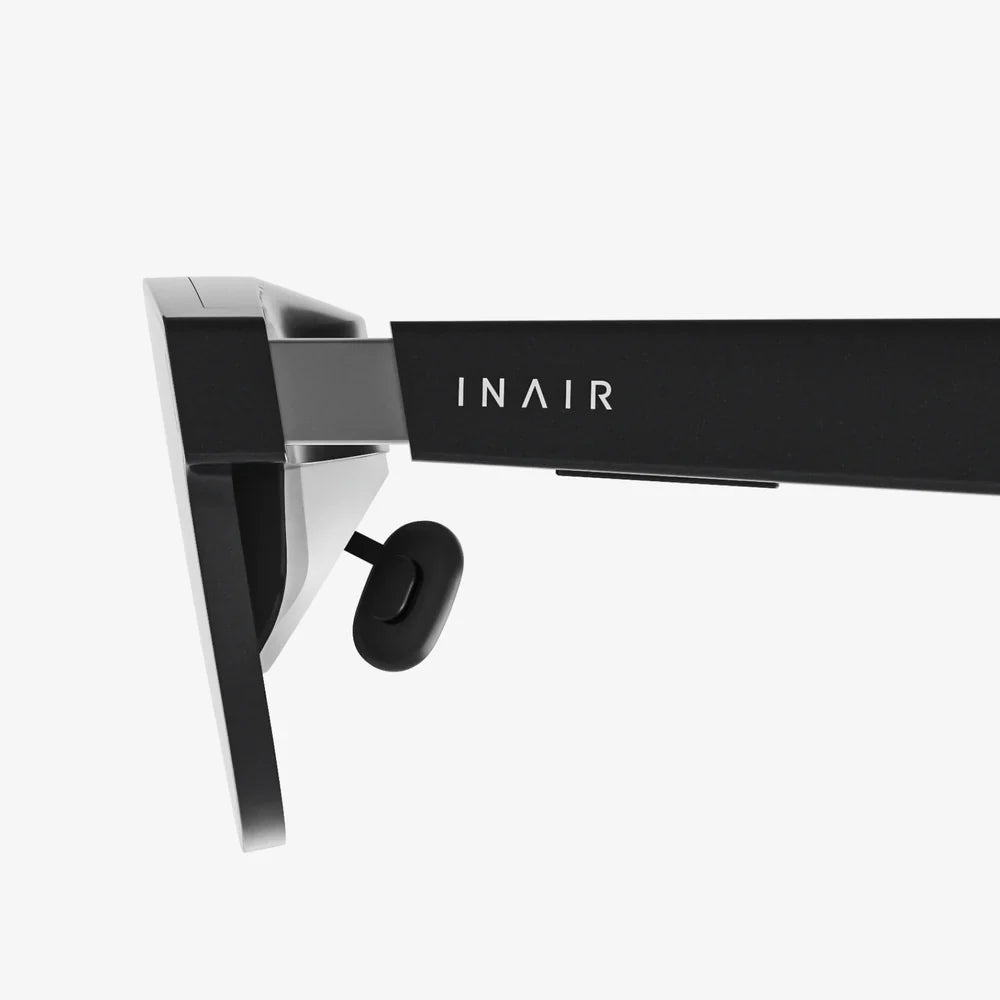
The ultimate goal is to make the technology fade into the background. Future iterations will trend towards smaller, lighter, and more socially acceptable designs. We are moving towards glasses-like form factors that users would be comfortable wearing for extended periods, both indoors and outdoors. This will involve breakthroughs in pancake lenses, micro-OLED displays, and ultra-low-power computing.
The Rise of Mixed Reality (MR)
The line between Virtual Reality (fully digital) and Augmented Reality (digital overlays on the real world) is blurring. Modern high-end headsets are increasingly incorporating high-resolution color passthrough cameras, allowing users to see their physical surroundings in real-time. This enables Mixed Reality experiences, where digital objects are convincingly anchored to the real world. This technology is a game-changer, enabling applications from virtual home design and interactive learning to new forms of productivity that blend physical and digital tools seamlessly.
Haptics and Embodiment
The next frontier of immersion lies beyond sight and sound. Research into advanced haptic feedback—through controllers, gloves, and even full-body suits—aims to let users feel the virtual world. This could mean sensing the texture of a virtual object, feeling the recoil of a virtual weapon, or shaking someone's hand in a social space and feeling pressure in return. This heightened sense of embodiment will deepen the emotional and psychological connection to virtual experiences.
The AI Integration
Artificial intelligence will be deeply woven into the fabric of future VR experiences. AI will power more realistic and responsive non-player characters, enable natural voice and gesture-based interfaces, and dynamically generate unique content and environments. It will also be used for foveated rendering, where AI predicts eye movement to maximize rendering detail only where the user is looking, drastically improving performance and efficiency.
The trajectory of the VR headset market is one of convergence—of physical and digital, of entertainment and productivity, of imagination and reality. It has moved past its infancy and is now in a vigorous adolescence, marked by rapid growth, identity exploration, and boundless potential. The challenges are real, but the momentum is undeniable. As the hardware continues to shrink, the experiences continue to expand, and the virtual world becomes increasingly intertwined with our daily lives, the question is no longer if VR will become a mainstream technology, but how quickly and profoundly it will reshape our world.
Imagine a world where attending a meeting means teleporting to a virtual conference room with colleagues from across the globe, where learning history involves walking through ancient Rome, and where your fitness routine is an epic adventure in a fantasy landscape. This is the promise held within the evolving VR headset market—a promise that is steadily, inevitably, becoming our new reality.
Share:
VR Headset for iPhone 15 Pro: The Ultimate Portal to Mobile Virtual Reality
Extended Reality Applications in Business Are Reshaping the Corporate Landscape