


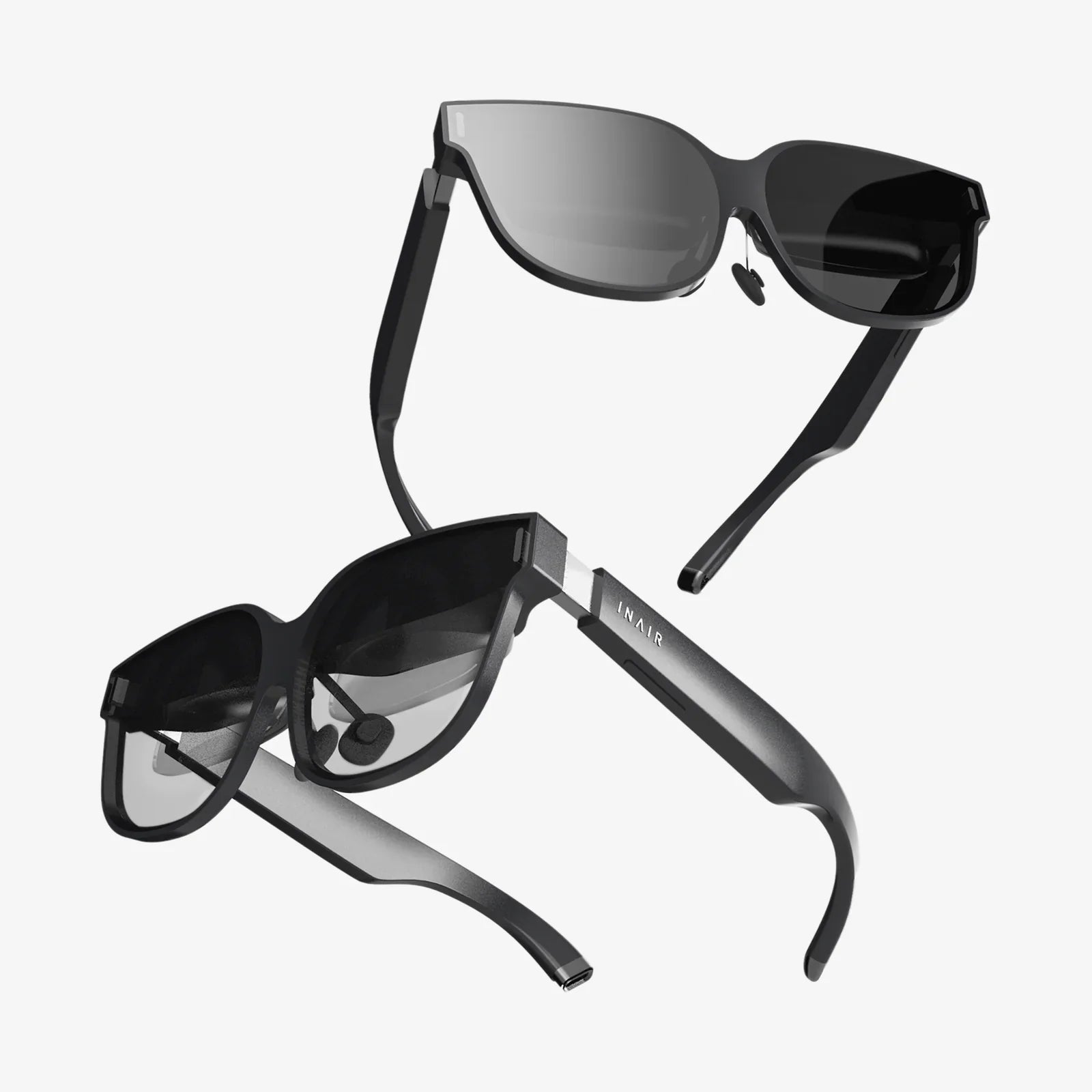
Imagine stepping into a bustling, global electronics fair, where every cutting-edge virtual reality headset is on display, from the most budget-friendly entry-level models to the high-fidelity professional powerhouses. You can pick them up, examine them from every angle, compare specs floating holographically in the air, and even demo exclusive software—all without leaving your home. This is the revolutionary promise, and rapidly evolving reality, of the dedicated VR headset marketplace. It’s a digital frontier that is fundamentally reshaping how we discover, evaluate, and purchase the very hardware that unlocks new worlds. The journey from curious browser to empowered buyer has never been more immersive, or more complex.
The Metamorphosis of Retail: From Store Shelves to Virtual Showrooms
The path to purchasing technology has undergone a dramatic transformation. We moved from specialized brick-and-mortar stores to expansive e-commerce platforms that offered unparalleled selection and convenience. The VR headset marketplace represents the next logical, and perhaps most profound, step in this evolution. It is not merely a digital catalog; it is an experiential platform. Instead of static images and customer reviews, these marketplaces are increasingly integrating immersive features that allow potential buyers to truly understand what they are investing in.
Early online shopping for VR was a leap of faith. You relied on specifications, promotional videos, and the often-divisive opinions of strangers. Today, forward-thinking marketplaces are creating virtual showrooms. Here, you can don your current headset (or use a web-based simulator) to walk through a digital space. You can see life-sized, 3D models of new headsets, interact with their controls, and get a genuine sense of their form factor, weight distribution, and field of view. This experiential layer reduces purchase anxiety and buyer's remorse by providing a context that flat web pages simply cannot.
A Universe of Choice: Deciphering the Modern VR Headset Landscape
Navigating the sheer variety of hardware available is one of the primary functions of a robust VR headset marketplace. The market has splintered into distinct categories, each catering to different needs and budgets. A well-organized marketplace acts as a guide, helping users filter through this complexity.
Smartphone-Based VR Platforms
Once the entry-point for millions, these headsets, which utilize a user's smartphone as the display and processor, have seen a decline with the rise of more advanced systems. However, they remain a testament to the industry's early aim of democratizing access to VR. Marketplaces often feature them in their historical context or as ultra-low-cost options for specific, lightweight applications.
Standalone VR Headsets
The undisputed king of the consumer market. These all-in-one devices have built-in processors, sensors, and displays, offering complete wireless freedom. They are designed for ease of use, accessibility, and a massive library of games and applications. A VR headset marketplace will showcase numerous models in this category, highlighting their wireless nature, inside-out tracking capabilities, and extensive curated software ecosystems.
Tethered (PC-Powered) VR Headsets
These represent the high-end, performance-focused segment of the market. They connect to a powerful external computer to deliver the highest possible visual fidelity, refresh rates, and immersive experiences. On a marketplace, these are often flagged as "premium" or "enthusiast-grade" options. Key differentiators highlighted include incredible resolution, advanced tracking systems using external base stations, and compatibility with demanding software and professional simulation tools.
Professional and Enterprise-Grade Systems
Beyond gaming and entertainment, a thriving sector of VR is focused on enterprise solutions. These headsets are built for training, design, architecture, and medical applications. They prioritize features like ultra-high resolution for reading text, eye-tracking for data analysis, and ruggedized designs. A comprehensive VR headset marketplace will often have a dedicated section for these business-focused tools, emphasizing their specialized capabilities and professional support networks.
Beyond the Hardware: The Critical Ecosystem of Software and Accessories
A headset is a gateway, but it is useless without content and can be enhanced by a suite of accessories. A mature VR headset marketplace understands it is selling an ecosystem, not just a single product.
When evaluating a headset, the available software library (often exclusive to a particular platform) is a deciding factor for many consumers. Marketplaces are increasingly integrating software showcases, allowing you to see top-rated games and applications available for each device. Furthermore, the availability and quality of accessories—from extended battery packs and prescription lens inserts to haptic feedback vests and advanced motion controllers—are crucial. A marketplace that also offers these items creates a one-stop-shop for the entire VR lifestyle, ensuring compatibility and simplifying the purchasing process.
The Trust Equation: Safety, Verification, and User Reviews in a Virtual Space
As with any online commerce, trust is the foundational currency. The intangible nature of digital goods and high-value hardware amplifies this need. A successful VR headset marketplace must build robust systems to foster trust.
- Seller Verification: Implementing strict processes to verify sellers, whether they are official manufacturers, authorized retailers, or reputable individual sellers, is paramount. Badges, ratings, and transparent seller histories help buyers feel secure.
- Secure Transactions: Providing encrypted, secure payment gateways that protect financial data is non-negotiable. Offering buyer protection programs and clear dispute resolution channels further builds confidence.
- The Power of the Hive Mind: User reviews and ratings are the lifeblood of any modern marketplace. For VR, these go beyond simple "works/doesn't work" feedback. Detailed reviews discussing comfort during extended use, visual clarity, controller ergonomics, and the quality of customer support are invaluable resources for prospective buyers. Marketplaces that incentivize detailed, verified-purchase reviews provide immense value to their community.
- Combating Fraud: Proactive measures to identify and remove counterfeit products, scalpers exploiting product shortages, and fraudulent listings protect the integrity of the entire platform.
The Economic Realities: New and Refurbished Markets
The VR headset marketplace is not monolithic; it contains vibrant sub-economies. Alongside the sale of brand-new equipment, a robust secondary market for refurbished and used headsets has emerged. This is critical for the health of the industry, as it lowers the barrier to entry for cost-conscious consumers and provides an outlet for enthusiasts to recoup value from their old gear to fund upgrades.
Marketplaces facilitate this by providing guidelines for listing used equipment, suggesting pricing based on model and condition, and often offering refurbished units directly that have been professionally inspected and carry a limited warranty. This circular economy ensures hardware has a longer lifecycle and reaches a wider audience, accelerating overall adoption of the technology.
A Glimpse Into the Crystal Ball: The Future of VR Commerce
The VR headset marketplace of today is impressive, but it is merely a precursor to what is coming. The convergence of several technologies will redefine the experience entirely.
- Hyper-Realistic Virtual Try-On: Future marketplaces will leverage advanced avatars and biometric scanning to allow you to "try on" a headset virtually. You'll get a precise understanding of how it will fit your face, its balance, and even a simulated view through the lenses adjusted to your specific IPD (Interpupillary Distance).
- Integrated Social Shopping: You will be able to meet friends in a virtual marketplace and shop together. Imagine getting a real-time opinion from a trusted friend whose avatar is standing next to you as you both look at the same product model.
- AI-Powered Personal Shoppers: Artificial intelligence will act as a personalized guide. By analyzing your existing hardware, software preferences, and stated needs, an AI could curate a shortlist of perfect headset matches for you, cutting through the noise of an overwhelming number of choices.
- Blockchain and Digital Ownership: The underlying technology of cryptocurrencies could be used to create immutable records of ownership and warranty status for both hardware and software, further securing transactions and simplifying the transfer of used equipment.
Challenges on the Horizon: Navigating the Pitfalls
This future is not without its obstacles. Marketplaces will have to grapple with the digital divide, ensuring that the hardware required to access these immersive shopping experiences does not itself become a barrier. Data privacy and security in these highly personal, immersive environments will be a paramount concern. Furthermore, as the line between virtual and physical commerce blurs, new regulatory and consumer protection frameworks will need to be developed to address disputes and fraud in a virtual space.
The potential for a truly open and interoperable metaverse also poses a challenge. Will marketplaces become walled gardens tied to specific hardware platforms, or will they evolve into neutral, cross-platform spaces where any VR headset can be browsed and purchased using any other? The path chosen will have significant implications for consumer choice and competition.
The VR headset marketplace is more than a simple store; it is the dynamic, beating heart of the immersive technology ecosystem. It is where innovation meets the consumer, where curiosity is transformed into experience, and where the community gathers to guide its own evolution. It has democratized access to world-changing technology and will continue to refine the art of the purchase into something truly experiential. The act of buying a VR headset is no longer just a transaction; it is the first step into a new reality, and the marketplace is the portal that gets you there. This is just the beginning of a much deeper dive into the virtual unknown.
Share:
How Much Does It Cost to Manufacture a VR Headset? The Surprising Breakdown
My VR Headset Is Black: A Deep Dive into the Abyss of Immersive Technology