


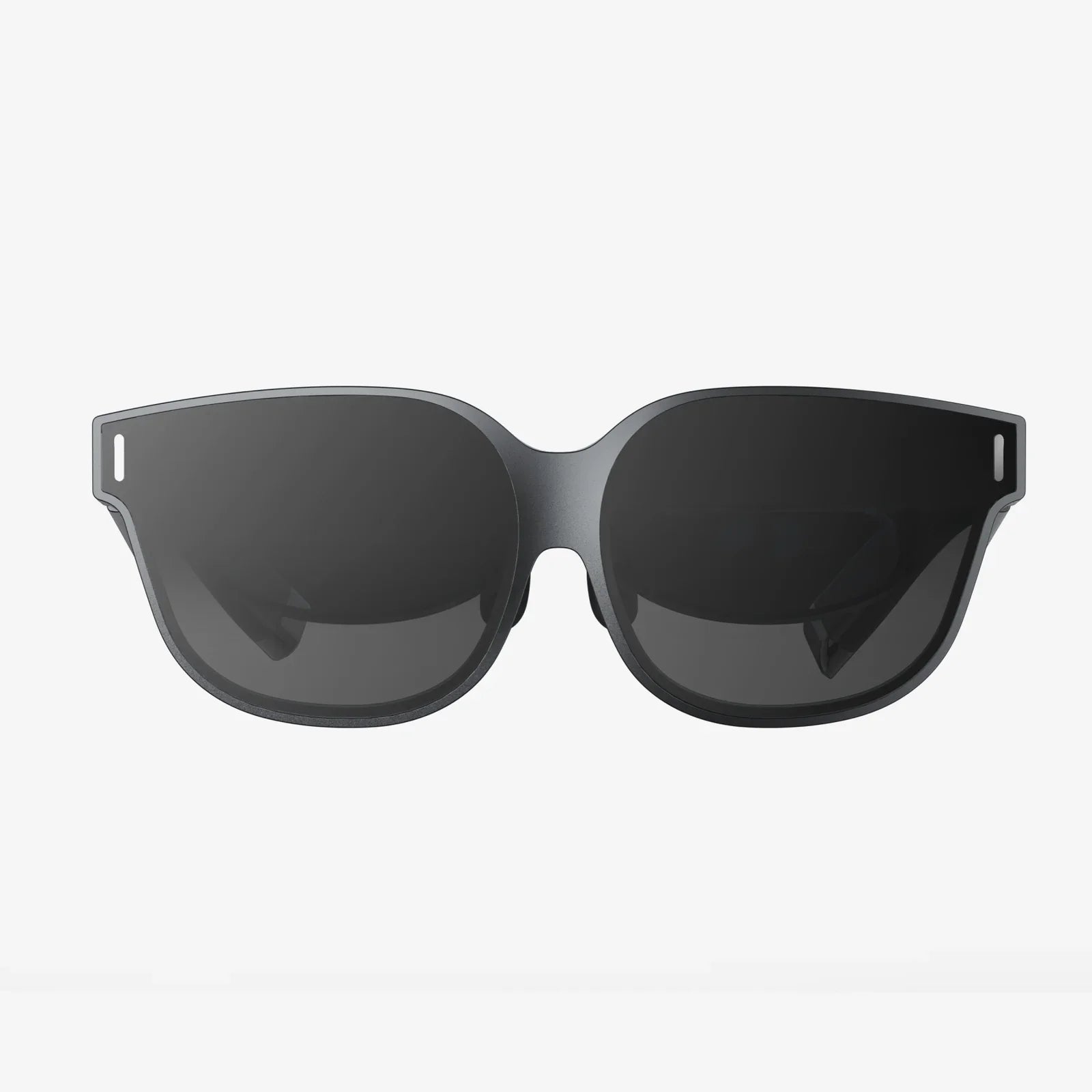
- by wangfred
VR Headset No PC Required: The Ultimate Guide to Untethered Freedom
- by wangfred
Imagine stepping into a breathtaking virtual world, scaling sheer cliff faces, painting in three-dimensional space, or attending a live concert from your living room—all without a single wire tethering you to a bulky, expensive computer. This is no longer a glimpse into a distant future; it's the accessible, exhilarating reality offered by modern VR headsets that require no PC. The era of being shackled to a high-end gaming rig is over, replaced by a new age of portable, all-in-one virtual reality that promises to democratize the medium and unleash its true potential.
For years, the high cost of entry was the single greatest barrier to widespread virtual reality adoption. Aspiring users needed not only the headset itself but also a powerful desktop computer, often costing significantly more than the VR unit, capable of running the demanding software. This tethered setup created a cumbersome experience, limiting movement and confining the user to a specific room. The technological leap to an all-in-one solution—a VR headset with all the necessary computing power, sensors, and displays built directly into the unit—has shattered these barriers. It represents a fundamental shift from a niche enthusiast hobby to a mainstream-ready platform.
These standalone devices are marvels of modern engineering. They integrate a sophisticated array of components into a surprisingly compact form factor:
The core innovation that makes a PC-free VR experience possible is inside-out tracking. Traditional PC-powered headsets often relied on "outside-in" tracking, where external sensors or base stations placed around the room monitor the headset's position. Standalone headsets flip this model entirely. By using a combination of inertial measurement units (IMUs—gyroscopes and accelerometers) and outward-facing cameras, the headset constantly observes its surroundings. It identifies unique features in the room—a painting on the wall, the edge of a sofa, a bookshelf—and uses these as reference points to triangulate its precise location and orientation in real-time. This eliminates the need for external hardware and allows for instant setup in any room of sufficient size.
Powering this experience is a mobile-optimized System-on-a-Chip, similar to those found in high-end smartphones but often further tuned for the intense graphical and computational demands of VR. These processors are feats of efficiency, delivering impressive graphical fidelity while managing heat and power consumption to ensure a comfortable experience. The software, a customized mobile operating system for VR, is meticulously optimized to squeeze every ounce of performance from the hardware, ensuring smooth framerates which are critical for comfort and immersion.
The content library for standalone VR is vast and growing exponentially. It caters to every imaginable interest, firmly moving beyond just gaming.
While the freedom of a standalone headset is compelling, it's important to understand how it compares to its PC-powered counterparts.
Advantages of Standalone (No PC Required):
Considerations and Trade-offs:
For most users, especially those new to VR, the trade-offs are more than worth the incredible benefits of convenience, affordability, and freedom.
The answer is: almost everyone. The accessibility of these devices has exploded their potential audience.
The trajectory of standalone VR technology is steep and accelerating. We can expect continued rapid advancements in several key areas. Processor technology will continue to improve, bringing ever-closer graphical parity with desktop GPUs. Advancements in pancake lenses and micro-OLED displays will make headsets smaller, lighter, and visually stunning. The concept of the "metaverse," a persistent network of interconnected virtual spaces, is being built primarily on the back of standalone, accessible hardware. Furthermore, the integration of full-color passthrough augmented reality (AR) is blurring the lines between the virtual and real world, allowing digital objects to interact seamlessly with your physical environment. This opens up limitless possibilities for mixed-reality productivity, learning, and play.
The dream of virtual reality has always been about escape and exploration—to visit places otherwise impossible and experience the extraordinary. That dream is no longer locked away behind a complex and expensive setup. With a self-contained VR headset, that power is now entirely in your hands, inviting you to step into worlds limited only by imagination, with nothing holding you back. The revolution isn't just coming; it's already here, waiting for you to put it on.
Share:
How to Connect iPhone VR to PC: The Ultimate Guide to a Seamless Setup
Computer Compatible VR Headset: Your Ultimate Portal to Immersive Digital Realms