


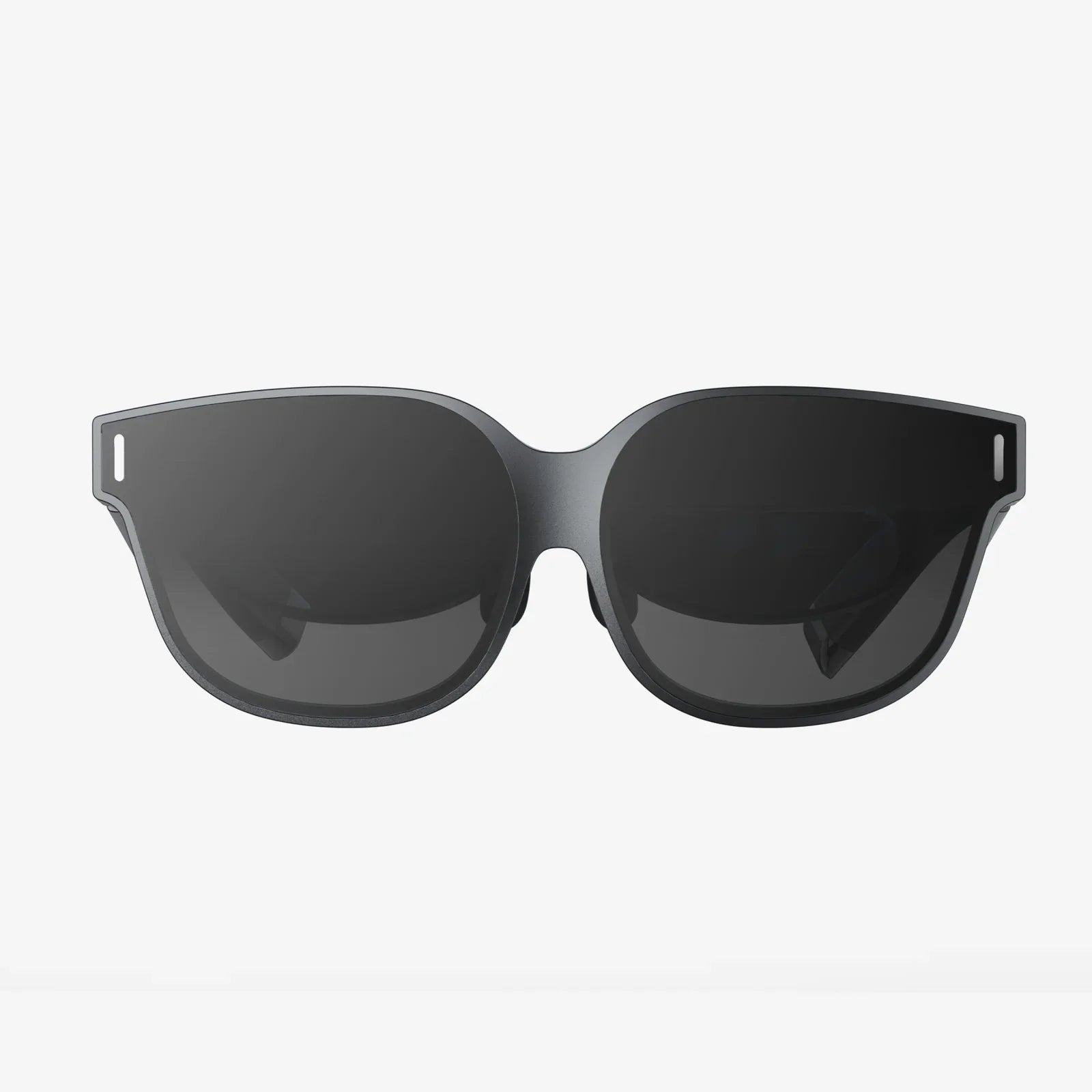
Imagine stepping into another world, a digital realm limited only by the imagination, without the constant fumble for your smartphone or the nagging worry of a draining battery. This is the promise, the sheer liberating magic, of a VR headset with no phone needed. The era of being tethered to a handheld computer, with its limited processing power and awkward fit, is rapidly receding into the past. We are now at the dawn of a new age in immersive technology—one defined by freedom, power, and unparalleled convenience, all contained within a single, sleek device perched on your head. This isn't just an incremental upgrade; it's a fundamental shift in how we interact with virtual spaces, and it's changing everything.
The Liberation from the Pocket: Understanding Standalone VR
For years, the gateway to virtual reality for many was a plastic headset that housed their smartphone. The screen provided the display, the gyroscopes and accelerometers tracked movement, and the phone's processor did the heavy lifting. It was an ingenious way to introduce millions to VR, but it came with significant compromises. The experience was entirely dependent on the quality of the user's phone, leading to inconsistent performance, graphical limitations, and rapid battery drain. Users were never fully immersed, always aware of the precious—and expensive—device strapped to their face.
The advent of the standalone VR headset marked a tectonic shift. These are all-in-one systems, purpose-built from the ground up for virtual reality. They integrate every critical component—display, processors, sensors, battery, and tracking cameras—into a single, cohesive unit. This holistic design philosophy allows for a level of optimization that phone-dependent systems could never achieve. The hardware and software are designed in tandem, creating a seamless, high-performance experience that feels less like a tech demo and more like a polished window into another dimension.
The Engine Room: Powering the Untethered Experience
At the heart of every premium standalone headset is a sophisticated array of technology working in perfect harmony. Understanding these components reveals why these devices are such a monumental leap forward.
Integrated Processing Power
Gone are the days of borrowing processing power from a mobile chip not designed for the immense task of rendering two high-resolution displays at high frame rates. Standalone headsets feature advanced processors specifically engineered for VR. These systems-on-a-chip (SoCs) combine a powerful CPU, a high-performance GPU, and dedicated AI and machine learning cores. This specialized architecture is crucial for handling complex tasks like real-time environment tracking, complex physics simulations, and rendering detailed, believable worlds without a stutter. The result is a smooth, comfortable, and visually stunning experience that is consistent for every user, regardless of what phone they own.
Inside-Out Tracking: The Magic of Self-Contained Vision
Perhaps the most revolutionary feature of modern standalone VR is inside-out tracking. Early PC-based VR systems required external sensors or base stations placed around the room to track the user's movement. Standalone headsets have eliminated this clutter entirely. Using multiple wide-angle cameras mounted on the headset itself, the device constantly scans its surroundings. Advanced computer vision algorithms interpret this video feed in real-time to map the physical space and track the precise position and rotation of the headset and controllers within it. This technology, known as Simultaneous Localization and Mapping (SLAM), allows users to define their play area physically by just tracing its boundaries with a controller—a process that feels nothing short of magical. It’s a completely self-contained spatial awareness system.
All-Day Audio and Immersion
Audio is half the immersion, and standalone headsets have made huge strides here. Many feature built-in spatial audio speakers that project sound directly towards the ears without fully covering them, allowing users to remain aware of their real-world surroundings when desired. For deep immersion, standard 3.5mm audio jacks or support for low-latency wireless audio solutions provide rich, directional sound that convinces your brain that noises are coming from specific points in the virtual space, completing the illusion.
A Universe of Experiences: What Can You Actually Do?
The true value of any technology lies in its application. The library of content for standalone VR platforms has exploded, offering experiences that cater to every conceivable interest.
- Gaming Reimagined: This is the flagship application. From rhythm games that make you break a sweat to intricate puzzle adventures and heart-pounding first-person shooters, the gaming catalog is vast and diverse. The freedom of wireless movement allows for full 360-degree gameplay, ducking, dodging, and exploring virtual environments with a physicality that was previously impossible.
- Fitness and Wellness: Standalone VR has become a powerhouse in the fitness industry. A plethora of engaging apps turn exercise into a fun, gamified activity. Users can box, dance, play sports, and follow guided workouts in captivating virtual settings, all tracked with impressive accuracy. Furthermore, meditation and mindfulness applications use serene, calming environments to help users de-stress and focus, demonstrating the technology's versatility beyond entertainment.
- Social Connection: The concept of the "metaverse" is largely being built on the foundation of standalone VR. Social platforms allow users to meet friends, family, and strangers in virtual spaces as highly expressive avatars. They can watch movies together, attend live concerts and events, play social games, or simply hang out and chat in environments that feel palpably more present than a traditional video call.
- Productivity and Learning: Beyond play, these devices are powerful tools. Virtual workspaces allow for immense, multi-monitor setups in any environment. Educational applications transport students to historical battlefields, the human bloodstream, or the surface of Mars, creating unforgettable learning experiences. Architects and designers can walk clients through 3D models of unbuilt structures, and artists can sculpt in three dimensions with intuitive tools.
Beyond the Hype: Considering the Practicalities
While the benefits are profound, choosing a standalone headset comes with its own set of considerations.
Battery Life: As with any wireless device, battery life is a key factor. Most headsets offer between two to three hours of continuous use on a single charge, which is ample for most gaming sessions but may require planning for longer experiences. The convenience of a single, integrated battery, however, far outweighs the dual-drain concern of a phone-based system.
Content Ecosystem: Unlike the relatively open nature of smartphone VR, standalone headsets typically operate within a specific content ecosystem. The available storefront is curated by the headset manufacturer. While this ensures quality and optimization, it's important to be aware that your software library is tied to that platform.
Initial Investment: The upfront cost of a high-quality standalone headset is higher than that of an accessory for your phone. However, it's a complete system that doesn't require a separate $800+ smartphone to function. When viewed as a dedicated gaming or entertainment console, the value proposition becomes clear.
The Future is Wireless, Untethered, and Incredible
The trajectory of standalone VR technology is breathtaking. We are already seeing advancements like pancake lenses for slimmer, lighter designs, higher-resolution displays with better pixel density, and eye-tracking technology that enables foveated rendering—a technique that drastically boosts performance by rendering only the area you're directly looking at in full detail. The line between standalone and high-end PC-powered VR is blurring, with some wireless headsets now capable of streaming content from a gaming PC, offering the best of both worlds: pristine graphics and untethered freedom.
The development of more natural input methods, from advanced haptic gloves to controllers that track individual finger movements, will further deepen the sense of presence. As the technology continues to mature, becoming more comfortable, powerful, and affordable, the vision of a VR headset as a ubiquitous computing platform, much like the smartphone is today, moves from science fiction to inevitable reality.
This is no longer a niche hobby for tech enthusiasts; it's a mainstream revolution in digital interaction. The barrier to entry has been demolished, replaced by a welcome mat to experiences that were once the stuff of dreams. The cord has been cut, the phone left behind, and the virtual world is waiting, more accessible and awe-inspiring than ever before. Your passport to these boundless realities no longer requires a device from your pocket—just the courage to put on the headset and step through.
Share:
What Is The Most Advanced VR Headset - Pushing The Boundaries Of Immersion
Best VR Headset for iPad: Your Ultimate Guide to Mobile Immersion