


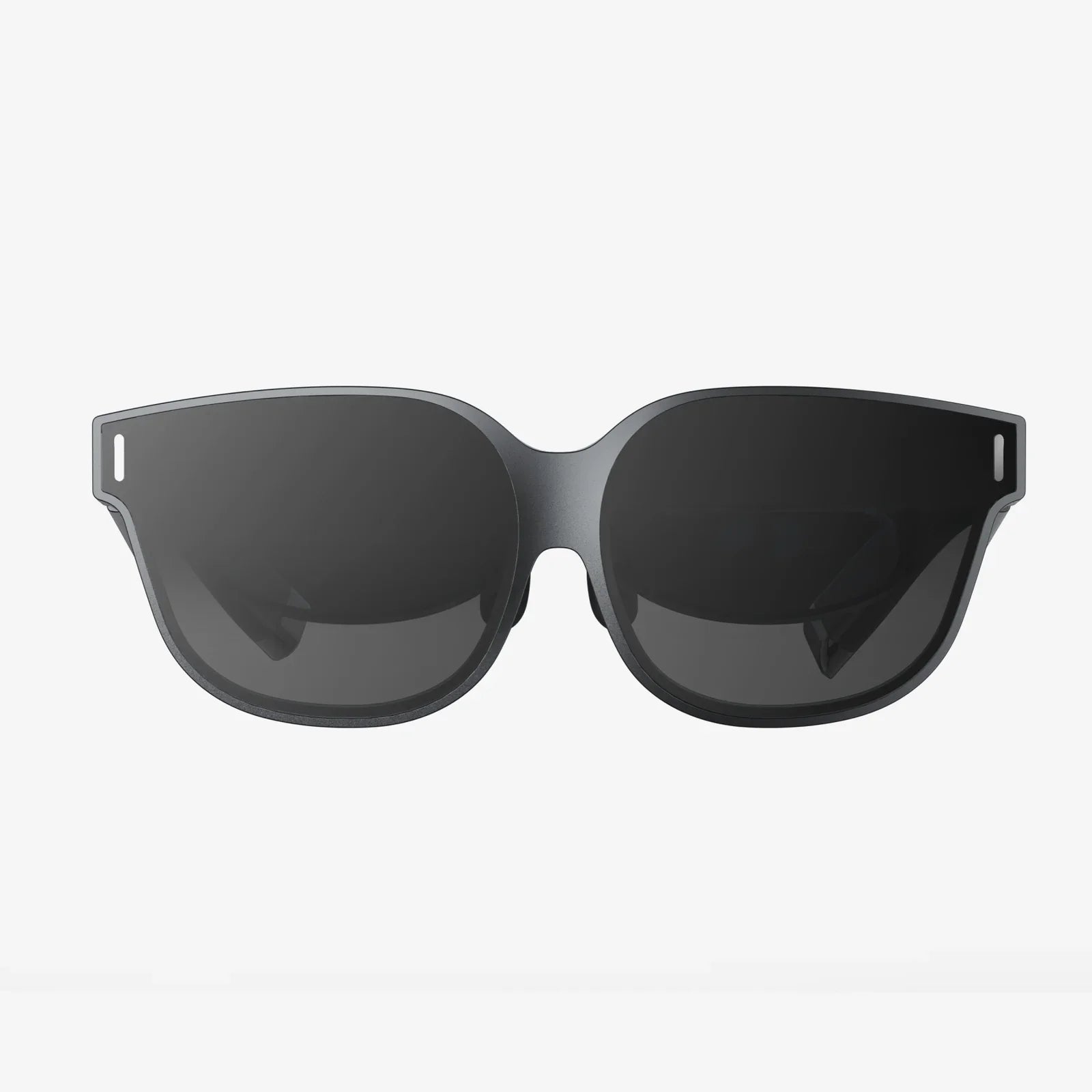
Imagine stepping into a virtual world, completely untethered, with no wires to trip over and no expensive phone to slot into a plastic shell. This is the promise and the reality of the modern VR headset that doesn't need a phone. This technological leap has moved virtual reality from a niche hobby for tech enthusiasts into a mainstream, accessible, and profoundly immersive experience. The era of standalone VR is here, and it’s reshaping our digital lives in ways we are only beginning to understand.
The Liberation from the Smartphone: Defining Standalone VR
For years, the most accessible entry point into virtual reality was through a mobile-based headset. Users would purchase a relatively inexpensive holder, insert their high-end smartphone, and use the phone's screen and sensors to power the experience. While this lowered the barrier to entry, it came with significant compromises: graphical fidelity was limited by the phone's hardware, the experience drained the device's battery at an alarming rate, and the user was often left with a heavy, uncomfortable, and overheating device strapped to their face.
The standalone VR headset represents a complete paradigm shift. These are all-in-one devices, purpose-built from the ground up for virtual reality. They contain their own integrated displays, high-performance processors, dedicated tracking cameras, and a custom operating system, all housed within a single, self-contained unit. This independence is their greatest strength, offering a seamless and optimized experience that is simply impossible to achieve with a bifurcated phone-and-holder system.
Under the Hood: The Technology Powering Untethered Immersion
The magic of a standalone unit lies in its sophisticated internal engineering. Unlike their PC-dependent counterparts, which offload the heavy computational lifting to an external powerhouse, these devices must handle everything internally. This requires a harmonious blend of cutting-edge components.
The System-on-a-Chip (SoC)
At the heart of every standalone headset is a specialized SoC. These are not standard mobile processors but are often custom-designed or heavily modified variants that prioritize graphical rendering power, AI processing, and thermal efficiency. They are engineered to deliver a smooth, high-frame-rate experience crucial for maintaining immersion and preventing motion sickness, all while managing power consumption to ensure a reasonable battery life.
Inside-Out Tracking
Perhaps the most revolutionary feature is inside-out tracking. Instead of relying on external sensors or base stations placed around a room, standalone headsets use multiple wide-angle cameras mounted on the device itself. These cameras constantly scan the environment, tracking the position of the controllers and the user's movement through space with remarkable precision. This technology, known as SLAM (Simultaneous Localization and Mapping), is what grants users true six degrees of freedom (6DoF)—the ability to move not just rotationally but physically through the virtual world by walking, crouching, and leaning.
The Display and Lenses
Standalone headsets feature fast-switching LCD or advanced OLED displays with high resolutions and refresh rates. They are paired with sophisticated Fresnel or pancake lenses that focus the image correctly for the eyes, provide a wide field of view, and minimize the screen-door effect—a visible grid between pixels that was common in earlier devices. This combination is vital for creating a believable and comfortable visual experience.
A World of Experiences: What Can You Actually Do?
The hardware is impressive, but it's the software and content ecosystem that truly bring these devices to life. The library of experiences available for standalone platforms is vast and growing exponentially, spanning every conceivable interest.
Gaming and Interactive Entertainment
Gaming remains the primary driver of VR adoption, and standalone headsets deliver a stunning array of titles. From rhythm games that have you slashing blocks to the beat in a neon-drenched arena, to intricate puzzle adventures set in fantastical worlds, to heart-pounding horror experiences and full-fledged RPGs, the quality and depth of games are now on par with many traditional console offerings. The freedom of wireless movement adds a physicality to gameplay that is utterly unique.
Fitness and Wellbeing
VR has emerged as a surprise powerhouse in the fitness industry. A new category of applications turns workouts into engaging games, boxing against animated opponents, dancing through complex routines, or wielding lightsabers in a high-intensity cardio session. Because the headset tracks your entire body movement, it can provide real-time feedback on your form and calories burned, making exercise fun and accessible from the comfort of your living room.
Social Connection and Collaboration
Standalone VR is becoming a powerful platform for social interaction. Virtual meeting spaces allow colleagues from across the globe to collaborate on 3D models as if they were in the same room, using whiteboards and shared screens. Social platforms let users hang out with friends, watch movies together in virtual theaters, attend live concerts, and explore user-generated worlds. These shared experiences foster a sense of presence and connection that video calls cannot replicate.
Education and Training
From exploring the human body in biology class to conducting complex chemistry experiments without risk, VR provides unparalleled experiential learning. Medical students can practice surgical procedures, history students can walk through ancient Rome, and mechanics can learn to repair engines—all within a safe, repeatable, and cost-effective virtual environment. The accessibility of standalone hardware makes deploying this technology in schools and businesses more feasible than ever.
Beyond the Hype: Considerations and Challenges
While the technology is revolutionary, it is not without its considerations for potential users.
Performance and Graphics
It's important to have realistic expectations. A self-contained computer strapped to your face will never match the raw graphical fidelity of a multi-thousand-dollar gaming PC pushing pixels to a high-end headset. Developers perform incredible feats of optimization to create beautiful and immersive worlds, but users accustomed to ultra-realistic 4K gaming on a monitor will notice a difference. The trade-off, however, is an unparalleled sense of freedom and convenience.
Battery Life
Like any mobile device, battery life is a key factor. Most standalone headsets offer between two to three hours of continuous use on a single charge, which is generally sufficient for most gaming sessions or experiences. However, for longer periods of work or watching movies, you may need to plan for a break to recharge or use the device while plugged in.
Comfort and Accessibility
Designers continuously work to make headsets lighter and better balanced, but they are still a piece of hardware worn on the head. Factors like weight distribution, facial interface material, and strap design are critical to long-term comfort. Furthermore, VR is not suitable for everyone; a small percentage of people experience simulation sickness, and those with certain medical conditions should consult a doctor before use.
The Future is Unplugged: Where Do We Go From Here?
The trajectory of standalone VR is pointing towards even greater integration into our daily lives. We can expect future generations to feature even more powerful and efficient processors, higher-resolution displays approaching retinal clarity, and advanced features like eye-tracking and facial expression avatars to enhance social realism. The line between the physical and digital worlds will continue to blur, potentially evolving into a new paradigm of spatial computing where digital information and interfaces are seamlessly overlaid onto our real-world environment.
The advent of the VR headset that doesn't need a phone is more than just a convenience; it's the key that unlocked the door to the metaverse. By removing the friction and technical barriers, it has democratized virtual reality, placing the power of immersion directly into the hands of millions. It’s an invitation to play, create, connect, and explore in ways we once only dreamed of. The cord has been cut, and there’s no going back.
Ready to leave your phone behind and step into a new dimension? The world of standalone VR is waiting, offering a gateway to experiences that are limited only by imagination. This isn't just the next step in gaming; it's the dawn of a new medium, and it's more accessible and awe-inspiring than ever before.
Share:
How Old Should You Be to Use a VR Headset: A Guide for Parents
Buy VR Headset - The Ultimate Guide to Entering the Virtual World