


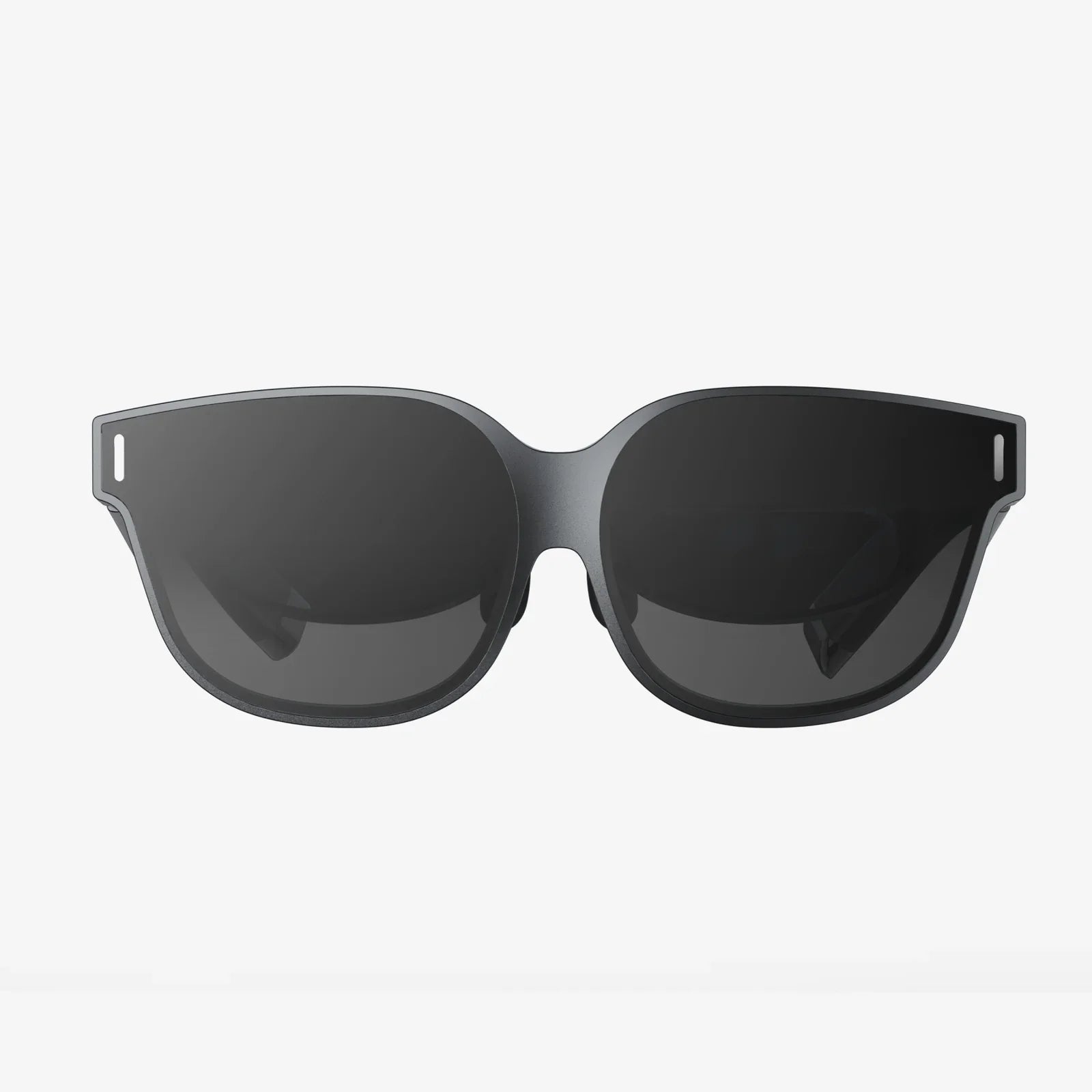
Imagine stepping through a portal into another reality, where the only limit is your imagination. The decision to buy a VR headset is your ticket to this adventure, a key that unlocks worlds of breathtaking gaming, revolutionary productivity, and social connections that defy physical space. This isn't just about purchasing a piece of technology; it's about investing in a new way to experience life itself. But with a rapidly evolving market, how do you choose the right gateway? This definitive guide will navigate you through every critical consideration, ensuring your journey into virtual reality is nothing short of spectacular.
Understanding the Virtual Reality Landscape
Before you commit to buy a VR headset, it's crucial to understand the different categories available. The technology has matured significantly, branching into distinct formats tailored for various needs and budgets.
Standalone VR Headsets: Untethered Freedom
These are all-in-one devices, meaning they don't require a connection to a powerful external computer or a console. Everything you need—the processor, sensors, and display—is built directly into the headset.
- Pros: Ease of use is their greatest strength. There are no cables to trip over, no complex setup, and you can use them anywhere with enough space. They are generally the most affordable entry point into high-quality VR.
- Cons: Due to the need to balance performance with battery life and heat, their graphical processing power is less than that of tethered PC-based systems. This means visuals, while impressive, may not reach the same pinnacle of realism.
- Ideal For: First-time users, families, those who value convenience and portability, and anyone without a high-end gaming PC.
PC-Powered VR Headsets: The Power User's Choice
These headsets act as a high-resolution display and tracking system, but all the heavy graphical lifting is handled by a connected gaming desktop computer.
- Pros: This category delivers the absolute pinnacle of visual fidelity, performance, and immersion. They support the most graphically intensive games and experiences with higher resolutions, faster refresh rates, and more detailed environments.
- Cons: They require a significant additional investment in a capable VR-ready PC. You are also tethered by a cable, which can limit movement and require management.
- Ideal For: Hardcore gamers, simulation enthusiasts (flight, racing), professionals in architecture and design, and those who demand the very best visual experience.
Console-Based VR Headsets
This category is designed to work exclusively with a specific video game console, leveraging its hardware to power the VR experience.
- Pros: Offers a great balance of performance and ease of use. If you already own the compatible console, the barrier to entry is relatively low. The experience is streamlined and optimized for that specific hardware.
- Cons: You are locked into a single ecosystem. The available library of games and apps is dictated by the console manufacturer. It's also a tethered experience.
-
Ideal For: Gamers who are already invested in the corresponding console ecosystem and want a straightforward upgrade path to VR.
Key Features to Scrutinize Before You Buy
Beyond the basic type, several technical specifications will define your experience. Knowing what to look for will prevent disappointment and ensure you get a headset that feels future-proof.
Display Resolution and Refresh Rate
These two factors are paramount to visual comfort and clarity.
- Resolution: Measured in pixels per eye (e.g., 1832 x 1920). A higher resolution means a sharper image with less visible "screen door effect" (the fine grid-like lines between pixels). For a comfortable experience, look for a combined resolution of at least 3K, with 4K and above becoming the new standard for high-end devices.
- Refresh Rate: Measured in Hertz (Hz), this is how many times the image on the screen refreshes per second. A higher refresh rate (90Hz and above) results in smoother motion, which is critical for reducing latency-induced motion sickness and making virtual interactions feel lifelike.
Tracking Technology: Inside-Out vs. Outside-In
This refers to how the headset and controllers understand their position in your physical space.
- Inside-Out Tracking: Cameras on the headset itself look outward to track its position relative to your room and the controllers. This is the modern standard for most new headsets. It eliminates the need for external sensors or base stations placed around your room, making setup incredibly simple.
- Outside-In Tracking: External sensors or base stations are placed in the corners of your play area. They track the position of the headset and controllers by seeing LEDs or sensors on them. This method can be extremely precise and is often favored by competitive gamers, but it requires a more permanent and complex setup.
Field of View (FoV)
FoV is the extent of the observable world seen at any given moment, measured diagonally in degrees. A typical human FoV is around 210°. Most consumer headsets range from 90° to 120°. A wider FoV increases the feeling of immersion, making the virtual world feel more expansive and less like you're looking through a pair of binoculars.
Lens Technology and IPD Adjustment
Lenses are what focus the screen's image for your eyes.
- Lens Quality: Fresnel lenses are common, but newer pancake lenses are allowing for much slimmer headset designs with improved clarity across the entire lens.
- Interpupillary Distance (IPD) Adjustment: This is the physical adjustment of the distance between the two lenses to match the distance between your pupils. Proper IPD adjustment is non-negotiable for a clear, comfortable image and to prevent eye strain. Look for either a software-based slider or, preferably, a physical dial for precise control.
Controllers and Haptic Feedback
Your hands in VR are your controllers. They should feel intuitive and responsive.
- Look for controllers that are ergonomically designed for long play sessions.
- Advanced haptic feedback (different types of vibrations) can make a world of difference, allowing you to feel the virtual world—from the gentle tap of a virtual object to the recoil of a weapon.
- Some systems are moving towards hand-tracking, which uses cameras to track your bare hands without controllers, enabling more natural interactions.
Setting a Realistic Budget: More Than Just the Headset
The price tag on the box is rarely the final cost. When you decide to buy a VR headset, consider the total ecosystem investment.
The Initial Purchase
Prices can range from a few hundred dollars for a solid standalone device to over a thousand for a premium PC-powered kit. Console-based headsets sit comfortably in the middle.
The Hidden Costs
- Content: VR games and apps are not free. Budget for the software you want to experience. Many great titles range from $20 to $40, with some blockbusters reaching $60.
- Accessories: A premium facial interface (foam padding) for comfort, a better head strap for stability, rechargeable batteries for controllers, and a dedicated carrying case are all highly recommended purchases that add to the cost.
- PC Upgrade: If you opt for a PC-powered headset, ensure your computer meets the recommended, not just minimum, specifications. A GPU upgrade alone can cost as much as the headset itself.
Preparing Your Physical Space
VR requires room, both physically and virtually.
Play Area Dimensions
Headsets define two types of play spaces:
- Stationary/Seated: For experiences where you are mostly sitting or standing in one spot.
- Room-Scale: For experiences where you walk around. You'll need a clear, obstacle-free area (e.g., 6.5ft x 6.5ft / 2m x 2m is a common minimum). Always set up your guardian or boundary system—the virtual wall that keeps you safe.
Safety and Environment
- Clear the area of pets, small children, and trip hazards like loose rugs or coffee tables.
- Be mindful of ceiling fans, low-hanging lights, and fragile objects on shelves.
- Good lighting is important for inside-out tracking, but avoid direct sunlight, which can damage the internal lenses irreparably.
Beyond Gaming: The Expansive VR Universe
While gaming is the primary driver, the value of a headset extends far beyond.
- Fitness: VR fitness apps offer a fun and engaging way to work out, from rhythm-based boxing to immersive yoga and HIIT classes.
- Social Connection: Platforms exist as virtual meeting spaces where you can watch movies with friends, attend concerts, play social games, or just hang out as stylized avatars, feeling a genuine sense of presence.
- Productivity: Imagine working with multiple virtual monitors in a serene environment, free from distractions. Virtual desktops are making this a reality.
- Travel & Exploration: Visit iconic landmarks, explore the depths of the ocean, or walk on the surface of Mars through immersive 360-degree videos and experiences.
- Education & Training: From medical students practicing surgery to mechanics learning to repair complex engines, VR is revolutionizing professional training.
The Future is Now: Making an Informed Decision
The journey to buy a VR headset is an exciting one, filled with the promise of new experiences. It’s a personal technology that must be tailored to your life, your hardware, and your dreams. Don't just buy the first headset you see; weigh the pros and cons of each platform, be honest about your budget and space, and get ready to redefine your perception of reality. Your virtual doorstep awaits—step through and discover what you've been missing.
Share:
VR Headset That Doesn't Need a Phone: The Ultimate Guide to Standalone Immersion
VR Headset Black: The Ultimate Guide to Stealth, Style, and Immersion