


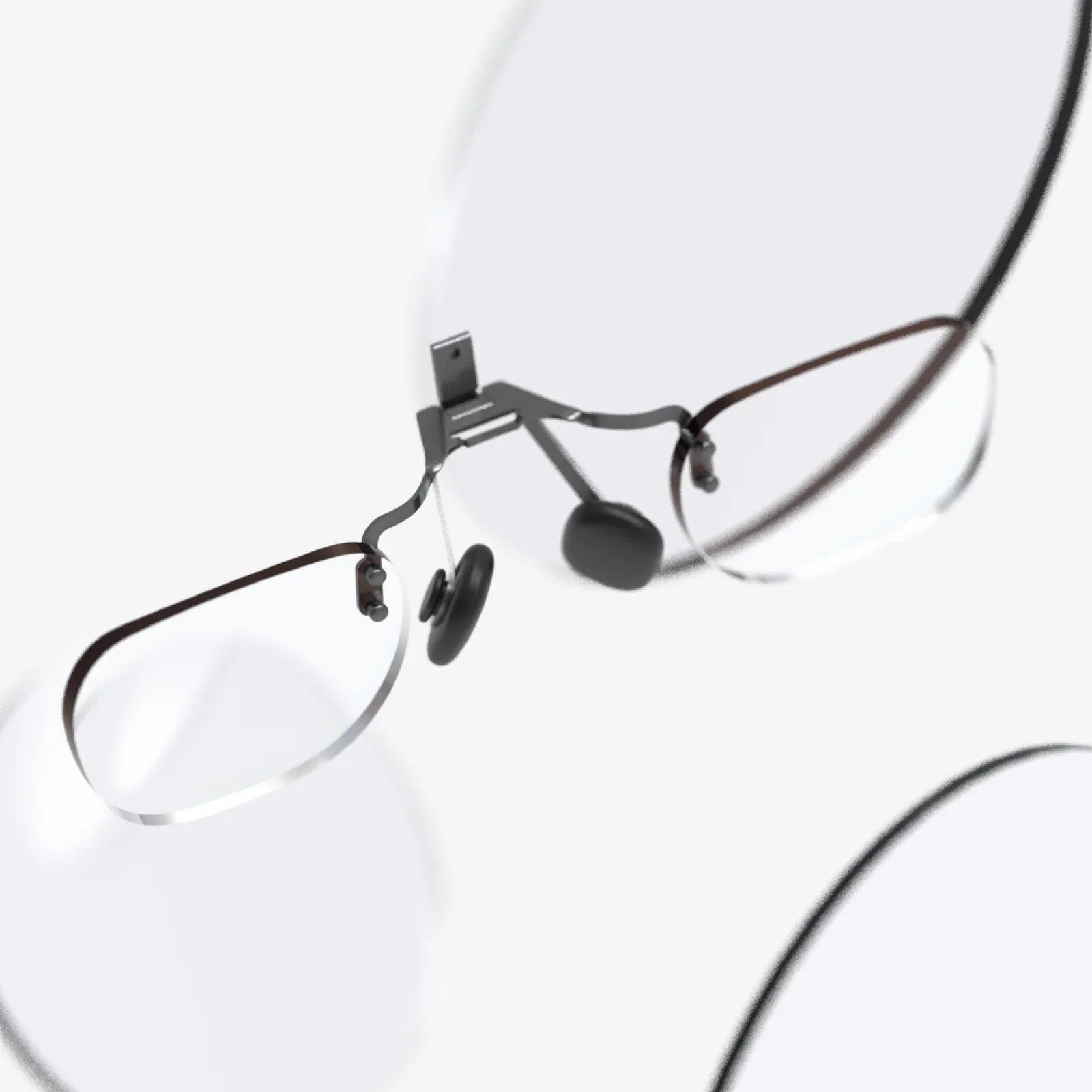
Imagine slipping into another world, a digital realm where the only thing separating you from an unparalleled adventure is a sleek, obsidian gateway. The allure of a VR headset in black isn't just about looking cool; it's a statement, a promise of pure, undistracted immersion. This is where your journey begins, not with a flashy exterior, but with a profound depth of experience that pulls you in and makes the physical world fade away. The choice of black is far from accidental—it's a deliberate design philosophy that enhances every virtual moment.
The Psychology of the Void: Why Black Dominates Tech Design
Before delving into the specifics of the hardware, it's crucial to understand the 'why' behind the color. Black is more than a mere aesthetic preference; it's a powerful psychological tool. In the world of technology and especially in immersive experiences, black serves several critical functions:
- Minimized Visual Distraction: A black headset acts as a visual blindfold. By absorbing light rather than reflecting it, the device itself disappears from the user's peripheral vision. This is paramount for immersion. A white or brightly colored bezel would constantly remind you that you are wearing a piece of technology, breaking the delicate sense of 'presence'—the feeling of actually being inside the virtual environment.
- Perception of Quality and Sophistication: For decades, black has been associated with luxury, professionalism, and high-end products. Think of classic tuxedos, luxury sports cars, or premium audio equipment. A black VR headset inherently feels more sophisticated, robust, and serious about its purpose compared to more playful, colorful alternatives. It signifies a tool for profound experiences, not just a toy.
- Universal Appeal and Timelessness: Black is a neutral, timeless color. It doesn't clash with its environment and appeals to a broad demographic. While vibrant colors might date quickly or appeal to specific niches, black maintains a classic, futuristic look that remains relevant year after year.
This design choice is a direct response to the core goal of virtual reality: to transport the user. The hardware should be a silent, invisible conduit, and the matte, dark finish of a black headset is the first step in achieving that vanishing act.
Form Meets Function: The Design Principles of a Dark Visor
The benefits of a black VR headset extend far beyond simple psychology. The color is intrinsically linked to the functional engineering of the device, impacting both the user's experience and the longevity of the product.
Light Sealing and Visual Fidelity
One of the most practical advantages of a black headset, particularly around the facial interface and light-guard, is its superior ability to block out external light. Stray light from your living room can significantly degrade the visual quality of the virtual display, washing out colors and reducing contrast. The dark, often padded, materials are engineered to create a perfect seal against the face, ensuring that the only light entering your eyes is generated by the screens within. This is essential for maintaining deep blacks and vibrant colors within the virtual world, directly contributing to a more convincing and visually stunning experience.
Heat Dissipation and Material Science
Modern VR headsets are powerful computers strapped to your face. This processing power generates heat, which must be managed effectively for both user comfort and hardware safety. Here, the common use of matte black plastics is not just for looks. Dark colors are more efficient at radiating heat. While they also absorb ambient heat more readily, the strategic placement of vents and internal cooling systems, combined with the heat-radiating properties of the dark shell, helps manage the thermal load more effectively than a lighter-colored alternative might.
Durability and Discretion
A matte black finish is also exceptionally good at hiding minor scuffs, scratches, and everyday wear and tear. A glossy white shell would show every smudge from fingerprints and every tiny mark, making the device look aged quickly. The muted, dark surface maintains a 'like-new' appearance for far longer. Furthermore, the discreet nature of a black headset makes it less of an eyesore in a living space. It blends into the background on a shelf, resembling a pair of sophisticated goggles or audio equipment rather than a brightly colored plastic toy.
Stepping Into the Abyss: The User Experience of a Blacked-Out Headset
The moment you bring a black VR headset up to your eyes, the practical and psychological elements converge into a single, powerful user experience. The process of putting it on feels deliberate, like a pilot closing the canopy before takeoff.
As the headset settles into place, the outside world is gently but firmly erased. The soft, dark padding conforms to your face, and any lingering chinks of light are extinguished. The transition is seamless. There's no gradual fade; it's a binary shift from reality to virtuality. This immediate cutoff is jarring in the most exhilarating way possible. Your brain, deprived of its usual visual anchors, has no choice but to accept the new reality being presented to it.
This complete sensory isolation amplifies everything within the virtual world. The glow of a virtual torch in a dark dungeon feels warmer and more necessary. The vastness of a digital space feels truly infinite when the edges of your vision are defined by nothing but endless black. The color of the headset itself becomes the color of the void, the canvas upon which all other experiences are painted. It is the ultimate neutral background, ensuring that the content—the game, the simulation, the social space—is the absolute star of the show.
Beyond the Basics: The Ecosystem and Aesthetic Cohesion
The commitment to a black aesthetic often extends beyond the headset itself, creating a cohesive and stylish ecosystem of accessories and peripherals.
- Controllers: Matching black controllers complete the ensemble. Their dark form is easier to forget in your hands, allowing you to focus on the virtual tools or hands they represent. In low-light tracking environments, their non-reflective surface also helps prevent any potential tracking issues caused by light bouncing off a glossy finish.
- Tracking Stations and Hardware: For systems that use external sensors, these components are also typically finished in black. This allows them to be discreetly mounted in the corners of a room, blending into the shadows and minimizing their visual impact on your living space. They become functional art pieces rather than technological eyesores.
- Cables and Connectivity: Even the cables are often sheathed in black, reinforcing the unified, streamlined look of the entire setup. This attention to detail creates a system that feels designed, not just assembled.
This holistic design approach means that a VR setup can be a part of a modern, sophisticated home entertainment system without sticking out like a sore thumb. It’s technology that respects your space.
Considering the Alternatives: Is Black Always Best?
While the arguments for a black headset are compelling, it's worth acknowledging that it's not the only option. Some manufacturers experiment with different colors and materials for specific reasons.
Lighter colors, like white or grey, can be chosen to make a product feel more approachable, friendly, or futuristic in a different way. They can also be slightly better at reflecting solar heat if the headset is stored in a sunny area, though this is a minor concern. The primary trade-off is the potential for distraction and the tendency to show dirt more easily.
Ultimately, the prevalence of black is a testament to its unmatched effectiveness for the core VR mission. The alternatives often feel like stylistic choices that prioritize fashion over the fundamental function of immersion. Black remains the professional's choice, the color for those who prioritize the experience within over the appearance from without.
Caring for Your Dark Portal: Maintenance and Upkeep
To keep your black headset looking pristine and performing its light-sealing function, a little care is required.
- Cleaning: Use a soft, slightly damp, lint-free microfiber cloth to wipe down the exterior plastic. Avoid chemical cleaners which can degrade anti-reflective coatings or damage plastics. For the facial interface foam or silicone, follow the manufacturer's guidelines, but typically a mild antibacterial wipe is sufficient.
- Storage: When not in use, store the headset in a cool, dark place. A dedicated case or even the original box is ideal. This protects it from dust, accidental scratches, and prolonged exposure to sunlight, which can potentially cause yellowing or warping in some plastics over time.
- Lens Protection: The lenses are the most critical component. Never clean them with anything abrasive. Always use a clean, dry microfiber cloth designed for optics. Ensure no sunlight ever directly hits the lenses while the headset is off, as it can act like a magnifying glass and permanently burn the internal screens.
Your headset is the gateway to other worlds; treating it with care ensures it provides a clear view for years to come.
The next time you see that sleek, shadowy form resting on a shelf, remember it's not just a piece of hardware. It's a carefully crafted portal, designed to vanish the moment you put it on. The choice of VR Headset Black is a commitment to immersion, a dedication to quality, and an embrace of the profound silence that exists just before a universe of possibility erupts into life. It’s the final, perfect shade of twilight before the stars of a completely new reality come out to play, inviting you to lose yourself in experiences yet unimagined.
Share:
Buy VR Headset - The Ultimate Guide to Entering the Virtual World
Types of Augmented Reality Devices: A Comprehensive Guide to the Hardware Shaping Our Digital Future