


Imagine stepping through a portal, not into another room, but into another world. The familiar confines of your living room dissolve, replaced by the vertiginous peak of a mountain, the silent depths of the ocean, or the bustling command deck of a starship. This is the profound promise of VR immersive technology, a paradigm shift not just in how we consume media, but in how we perceive, learn, connect, and experience reality itself. It’s a technological leap that is quietly reshaping industries and challenging the very fabric of human experience, offering a glimpse into a future where the digital and physical are seamlessly intertwined.
The Architecture of Presence: How VR Immersive Technology Works
At its core, the goal of VR immersive systems is to achieve a state known as "presence"—the undeniable, often subconscious, feeling of being physically located in a digitally rendered space. This is not mere observation; it is transportation. Achieving this illusion requires a sophisticated symphony of hardware and software working in perfect harmony to trick the human sensory system.
The foundation is the head-mounted display (HMD). Modern HMDs utilize high-resolution displays positioned mere centimeters from the user’s eyes, often through specialized lenses that widen the field of view to encompass human binocular vision. This visual immersion is only the beginning. The critical component is low-latency head tracking. Using a combination of internal sensors like gyroscopes and accelerometers, and external or inside-out cameras, the system must track the minutest movements of the user’s head with imperceptible speed. Any delay between the user turning their head and the virtual world adjusting accordingly instantly shatters the illusion, often leading to discomfort. This flawless tracking ensures that the virtual environment remains stable and anchored, responding to the user as a real world would.
True immersion, however, is multi-sensory. Spatial audio is a cornerstone of this experience. By simulating how sound waves interact with the human head and ears, VR immersive audio systems can place sounds anywhere in a 3D space. A whisper from behind your left shoulder will sound exactly as it should, compelling you to turn and look. This auditory cue is incredibly powerful for selling the reality of a virtual space.
Finally, motion tracking and haptic feedback complete the picture. Hand-held controllers, and increasingly, full-body tracking suits, translate the user’s physical actions into the digital realm. You can reach out, grab a virtual object, and feel a simulated vibration or resistance. This bidirectional interaction—the ability to not just see a world but to touch and manipulate it—is what elevates VR from a visual spectacle to a truly immersive experience. It creates a feedback loop where the brain receives congruent information from the eyes, ears, and hands, solidifying the feeling of being present in the simulation.
Beyond Entertainment: The Expansive Applications of Immersive VR
While gaming and entertainment are the most visible applications, the true revolutionary potential of VR immersive technology lies in its practical, real-world uses that are already transforming professional fields.
Revolutionizing Education and Training
VR immersive learning environments are replacing textbooks and videos for complex or dangerous training scenarios. Medical students can practice intricate surgical procedures on virtual patients, making mistakes without consequences. Astronauts, pilots, and soldiers can train for high-stress scenarios in perfectly simulated environments. Mechanics can learn to repair the engine of a new vehicle model before it even physically exists. This "learning by doing" in a safe, repeatable, and cost-effective virtual space dramatically improves knowledge retention and skill acquisition.
Transforming Healthcare and Therapy
The therapeutic potential is staggering. VR immersive exposure therapy is being used to treat phobias, anxiety, and PTSD by gradually and safely exposing patients to their triggers within a therapist-controlled environment. It is also a powerful tool for pain management, distracting burn victims during wound care with calming, engaging virtual worlds that significantly reduce their perceived pain levels. Furthermore, VR is aiding in physical rehabilitation, turning repetitive exercises into engaging games that motivate patients to complete their therapy regimens.
Redefining Remote Collaboration and Design
The concept of the "metaverse" is fundamentally about shared immersive spaces. Architects and engineers can walk clients through unbuilt structures at a 1:1 scale, making design decisions collaboratively in real-time. Global teams can meet in a virtual boardroom, interacting with 3D models and data visualizations as if they were physical objects in the room with them. This moves beyond video calls to a sense of shared presence, overcoming geographical barriers and fostering a new level of collaborative intuition.
Unlocking New Frontiers in Storytelling and Art
Filmmakers and artists are using VR immersive technology to create a new form of narrative—empathic storytelling. Instead of watching a documentary about a refugee crisis, you can experience a day in the life of a displaced person. This first-person perspective fosters a deeper, more visceral understanding and emotional connection than traditional media ever could. Artists are creating vast, explorable sculptures and paintings that defy the laws of physics, offering entirely new mediums for creative expression.
The Human Factor: Psychological and Social Implications
As with any transformative technology, the rise of VR immersive experiences brings profound questions and challenges. The psychological effect of "presence" is powerful. The brain, to a significant degree, treats these experiences as real. This can lead to powerful positive outcomes, like the therapeutic applications mentioned, but it also raises questions about emotional and mental impact. Experiences designed to evoke fear or stress can feel intensely real, and the line between virtual action and real-world consequence requires careful ethical consideration.
Socially, VR offers the potential to connect people across vast distances with a feeling of genuine togetherness, combating loneliness and isolation. Yet, it also carries the risk of further societal withdrawal, a phenomenon sometimes called the "VR paradox"—using technology to escape the physical world. Issues of privacy, data security, and the potential for addiction in hyper-engaging virtual worlds are critical areas that require ongoing research and thoughtful regulation.
Furthermore, the concept of "virtual identity" becomes increasingly complex. In a space where you can look, sound, and be anyone, how does that affect your sense of self? The democratization of experience is also a double-edged sword; while it allows anyone to visit virtually any place, it could potentially devalue the uniqueness of physical travel and real-world exploration.
The Future is Immersive: What Lies on the Horizon
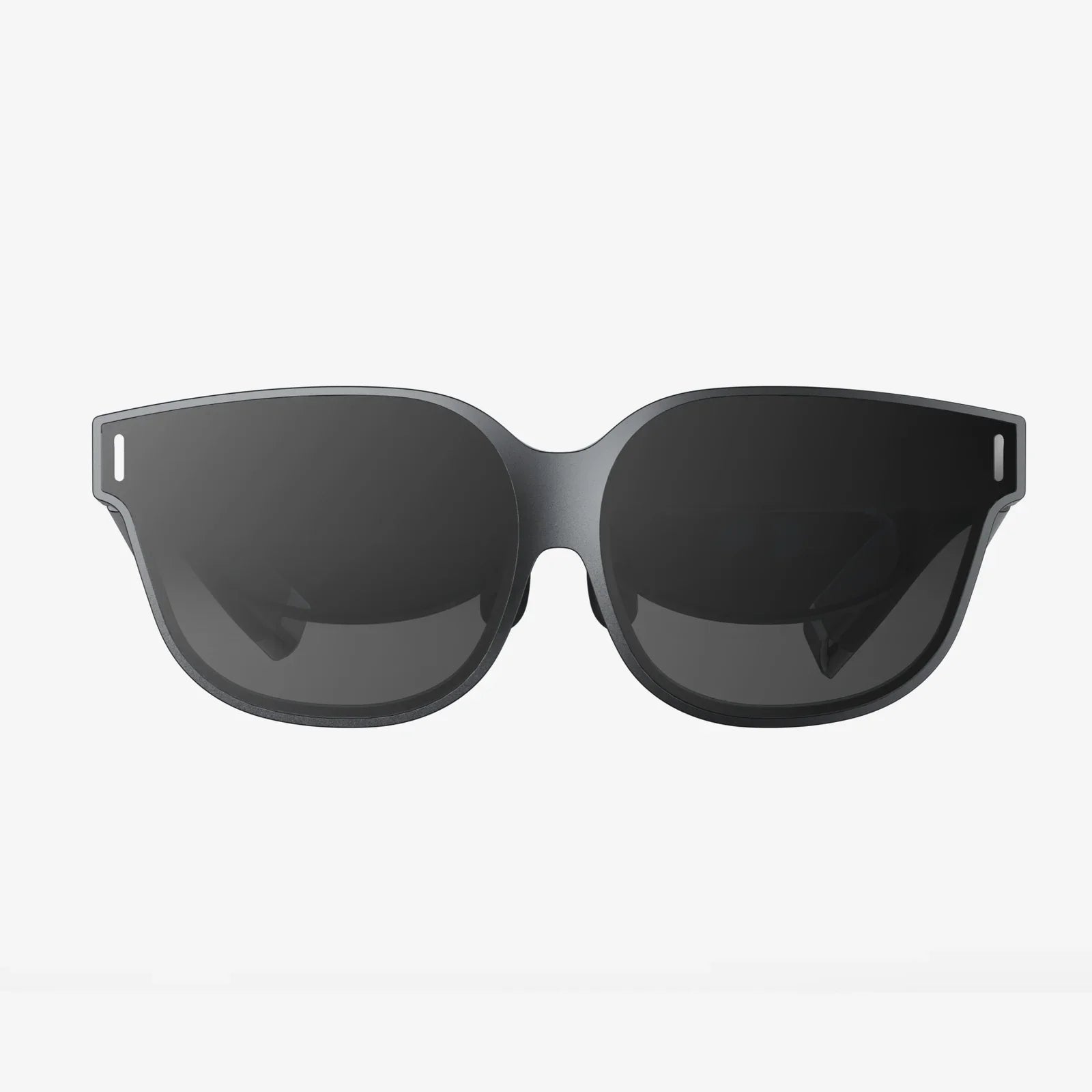
The current state of VR immersive technology, while impressive, is merely the precursor to a much more integrated future. We are moving towards lighter, wireless, higher-resolution headsets that will be as comfortable as a pair of sunglasses. The next great leap will be in haptics, moving from simple vibrations to full tactile feedback, allowing users to feel the texture of a virtual object.
Beyond hardware, the development of artificial intelligence will power more responsive and believable virtual environments and characters. Brain-computer interfaces, though far off, hint at a future where we could control VR with our thoughts, bypassing controllers entirely and creating the ultimate seamless interface between mind and digital world.
This evolution will see VR immersive technology cease to be a distinct device and become more of a pervasive layer over our reality—an always-available spatial computing platform. We will use it for work, socializing, design, and accessing information in ways we are only beginning to imagine, fundamentally blurring the lines between where the physical world ends and the digital one begins.
The journey into the virtual is just beginning, and the destination is a world of experiences limited only by our collective imagination. The screen that has dominated our digital lives for decades is finally dissolving, inviting us not to watch, but to step inside. The potential to heal, teach, connect, and create on a scale previously unimaginable is now at our fingertips, waiting to be fully realized. This isn’t just about better technology; it’s about expanding the very definition of what is possible for humanity.
Share:
Stereoscopic Headset: A Deep Dive into the Gateway of Immersive Realities
Most Immersive VR Games: A Deep Dive into Digital Realities That Feel Authentic