


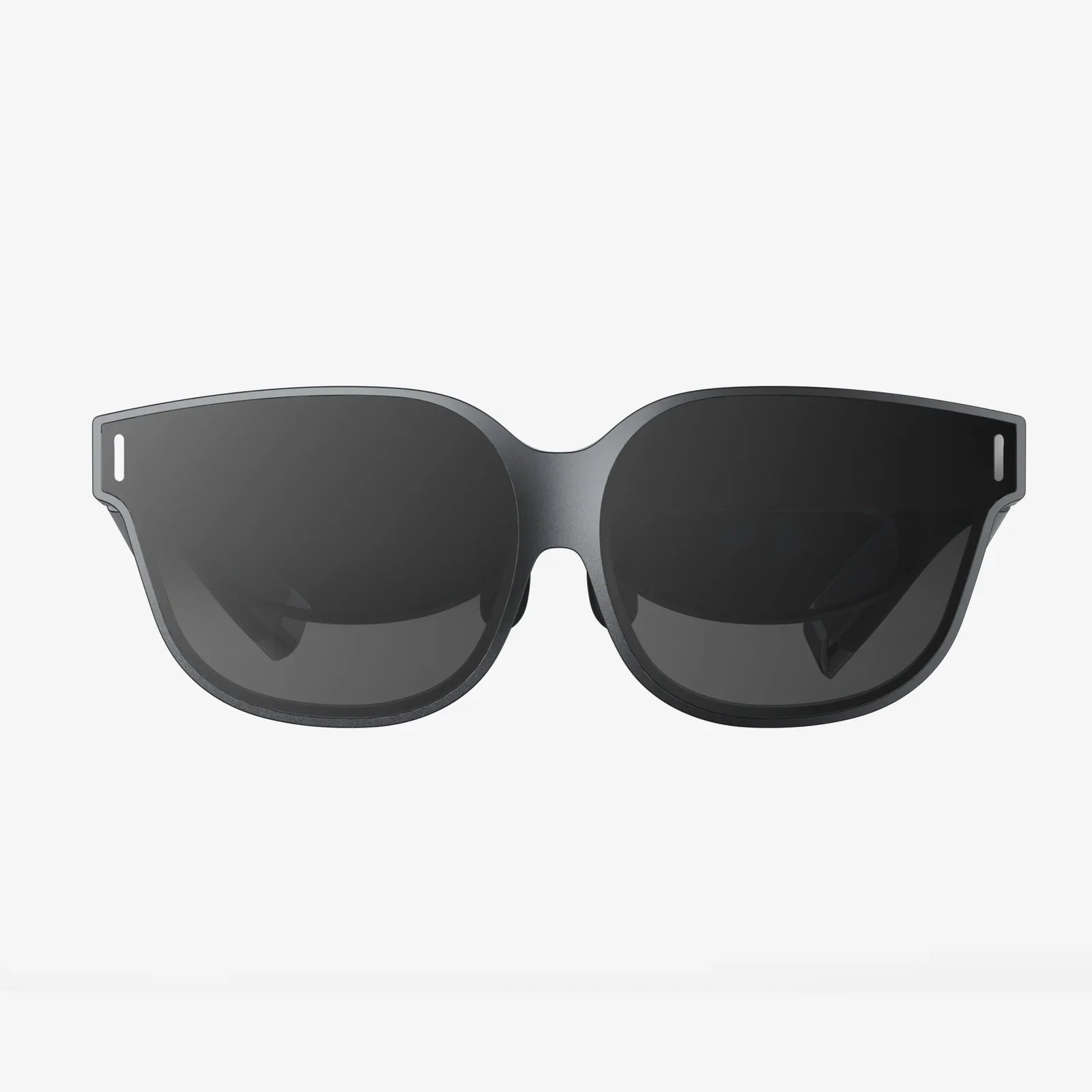
Imagine slipping on a headset and instantly being transported—to a front-row concert seat, a meticulously recreated ancient ruin, or a collaborative design studio with colleagues across the globe. This is the promise of virtual reality, a technological frontier that has exploded from science fiction fantasy into a tangible, consumer-ready reality. But for the curious newcomer or the hesitant enthusiast, the sheer breadth of available VR options can feel overwhelming. This landscape is no longer a monolithic choice between one or two expensive devices; it's a rich, diverse ecosystem catering to every possible need, budget, and level of interest. The journey into VR is no longer a question of 'if,' but a thrilling exploration of 'how.' The power to choose your own adventure has never been more real, or more virtual.
Defining the Virtual Spectrum: More Than Just a Headset
At its core, Virtual Reality (VR) is a simulated experience that can be similar to or completely different from the real world. It employs a combination of hardware and software to create a three-dimensional, computer-generated environment that users can not only view but also interact with in a seemingly real or physical way. The primary goal is to achieve what is known as 'presence'—the convincing feeling of being physically located in that digital space. This is accomplished through a combination of stereoscopic visuals delivered through a head-mounted display (HMD), immersive spatial audio, and, crucially, motion tracking that translates your real-world movements into the virtual one.
However, the term 'VR options' encompasses far more than just the visual apparatus on your face. It represents a holistic consideration of several key pillars:
- The Hardware Platform: This is the physical headset itself and its required supporting hardware, which defines the core of your experience. This category breaks down into tethered, standalone, and mobile-based systems, each with distinct advantages and limitations.
- The Content Library: A VR system is a portal, but the experiences are the destination. The available games, applications, social platforms, and creative tools are a fundamental part of the value proposition.
- The Input Methods: How you interact with the virtual world is paramount. This includes motion controllers, hand-tracking technology, haptic feedback devices, and even treadmills for locomotion.
- The Ecosystem and Requirements: This includes the necessary computing power (a powerful gaming PC or a specific console), the online storefronts, social networks, and the overall user interface that ties everything together.
Understanding these facets is the first step to navigating the market and identifying which set of VR options aligns perfectly with your desires and circumstances.
The Titans of Immersion: Tethered and Console VR Systems
For those seeking the absolute pinnacle of visual fidelity, performance, and immersive depth, tethered VR systems represent the high-end of the market. These headsets are physically connected via a high-speed cable to a separate, powerful source of processing—typically a high-end gaming personal computer or a dedicated gaming console.
PC-Based Tethered VR
This category is the domain of performance enthusiasts and hardcore gamers. The headsets themselves are often marvels of engineering, featuring ultra-high-resolution displays, expansive fields of view, and incredibly precise external tracking systems that use sensors placed around the room to monitor your position down to the millimeter. The result is an experience characterized by stunning graphical detail, incredibly smooth performance even in complex scenes, and the lowest latency (the delay between your movement and the screen's update), which is critical for combating motion sickness and maintaining presence.
The trade-off, of course, is cost and complexity. Beyond the significant investment in the headset, users must already own or purchase a capable gaming PC with a powerful dedicated graphics card, sufficient RAM, and the necessary ports. The setup process can be more involved, requiring careful cable management and sensor placement. Furthermore, the tether itself, while often lightweight and managed with overhead pulleys, inherently limits physical freedom and introduces a risk of entanglement. For the user who values cutting-edge performance above all else and has the space and budget to accommodate it, PC-based tethered VR offers an unparalleled experience.
Console-Based Tethered VR
Sitting as a compelling middle ground, console-based VR offers a more streamlined and accessible form of tethered immersion. Instead of a bespoke PC, the processing power is provided by a popular games console. This approach dramatically simplifies the user experience. The setup is typically plug-and-play, with the console providing a known, standardized hardware target for developers to optimize for, ensuring a consistent and high-quality experience. The cost of entry is also lower, as it leverages hardware that millions of consumers already own for traditional flat-screen gaming.
While the raw graphical power may not reach the absolute peak of a top-tier gaming PC, the optimization and ease of use make it a tremendously attractive proposition. It successfully demystifies high-quality VR, bringing a robust and curated library of immersive games and experiences to a mainstream gaming audience without the technical hurdles of PC configuration.
The Rise of Freedom: Standalone VR Headsets
If tethered VR represents the powerful, stationary gaming rig of the virtual world, then standalone VR is the sleek, all-in-one laptop. This category has seen explosive growth and is arguably responsible for bringing VR into the mainstream. A standalone headset has all the necessary computing hardware—processor, memory, and battery—built directly into the device itself. There are no wires to a PC or console and no external sensors to set up.
The benefits are immediately obvious: unparalleled freedom and convenience. Users can power on the headset and be in a virtual environment within seconds, with a literal entire room as their potential play space, completely untethered. This makes the hardware incredibly portable; it can be easily used in different rooms or even taken to a friend's house. The all-in-one nature also significantly lowers the barrier to entry, as there is no need for any additional expensive hardware.
Historically, the compromise was in processing power and graphical capability. Early standalone devices could not hope to match the visual richness of their tethered counterparts. However, this gap is closing at a remarkable pace. Advances in mobile chipset technology, coupled with sophisticated software optimization and techniques like foveated rendering (which focuses processing power only where the user is looking), have enabled modern standalone headsets to deliver experiences that are visually impressive and deeply immersive. For most consumers, the convenience and accessibility of a strong standalone headset make it the most logical and compelling entry point into the VR ecosystem.
The Accessible Gateway: Mobile VR and Beyond
While its prominence has waned with the rise of standalone devices, mobile VR remains a noteworthy part of the landscape, particularly for those seeking a no-cost or low-cost introduction. This approach utilizes a standard smartphone slotted into a head-mounted holder, often made of lightweight cardboard or plastic. The phone's screen becomes the display, and its internal sensors (gyroscope, accelerometer) handle the head tracking.
The primary advantage is accessibility. Millions of people already own a compatible smartphone, requiring only a minimal investment in a viewer, some of which are incredibly inexpensive. It provides a simple way to experience basic 360-degree videos and casual games. However, the limitations are significant: the experiences are generally less immersive due to lower fidelity, higher latency, and a lack of positional tracking (the ability to lean in and move through space). There are also no standardised motion controllers, severely limiting interaction. Mobile VR serves as a fascinating tech demo but offers only a pale shadow of the immersion provided by dedicated systems.
Choosing Your Reality: Key Considerations Before You Buy
With these distinct categories in mind, selecting the right VR option becomes a matter of honest self-assessment. Asking a few key questions will guide you to the perfect device:
- What is your budget? Factor in the total cost: the headset, any required PC or console upgrades, software purchases, and accessories like additional face interfaces or carrying cases.
- What is your technical comfort level? Are you willing to troubleshoot driver issues and optimize PC settings, or do you prefer a seamless, console-like experience?
- What kind of experiences are you after? Are you a hardcore gamer seeking the next graphical showcase, a social user wanting to connect with friends in virtual spaces, a fitness enthusiast looking for a new workout tool, or a professional exploring architectural visualizations?
- Where will you use it? Do you have a dedicated, clear play space, or will you be using it in a more confined area? This influences your choice between tethered and untethered systems.
- Who is the user? Considerations like IPD (Interpupillary Distance) adjustment and comfort for longer sessions are crucial, especially for younger users or those who wear glasses.
There is no single 'best' headset, only the best headset for you. A tech-savvy gamer with a powerful rig will have different priorities than a family looking for a fun, shared activity, and the market now wonderfully serves both.
The Future is Virtual: Where VR Options Are Headed
The evolution of VR is far from over; it's accelerating. The trends shaping the next generation of hardware point towards even greater accessibility and immersion. We are moving towards a consolidation of the best features from all categories: the untethered freedom of standalone devices combined with the processing power approaching tethered levels through cloud streaming and evermore efficient chipsets. Visual fidelity will continue its upward climb, with micro-OLED displays offering breathtaking clarity and high dynamic range.
Perhaps the most exciting developments are in input and user interface. Advanced inside-out tracking is eliminating the need for external sensors entirely. Computer vision is enabling sophisticated hand-tracking, allowing users to manipulate virtual objects with their natural gestures, making controllers optional for many experiences. Haptic feedback technology is evolving beyond simple controller vibrations to full suits and gloves, promising the ability to feel the texture of a virtual object or the impact of a virtual raindrop. These advancements are steadily erasing the remaining barriers between our physical reality and the digital worlds we choose to inhabit, making the array of VR options not just a selection of gadgets, but a menu for constructing entirely new human experiences.
The door to these boundless digital realms is no longer locked behind a single, expensive key. Whether you're drawn by the siren call of hyper-realistic gaming, the practical benefits of remote collaboration, the thrill of a new fitness regimen, or simply the joy of exploration, there exists a perfect set of VR options waiting for you. The journey begins not with a giant leap, but with the simple, informed choice to look closer, to reach out, and to step through. Your reality is what you make it, and now, more than ever, you have the tools to remake it entirely.
Share:
VR Goggles for PC: The Ultimate Guide to High-Fidelity Immersion
VR Goggles for PC: The Ultimate Guide to High-Fidelity Immersion