


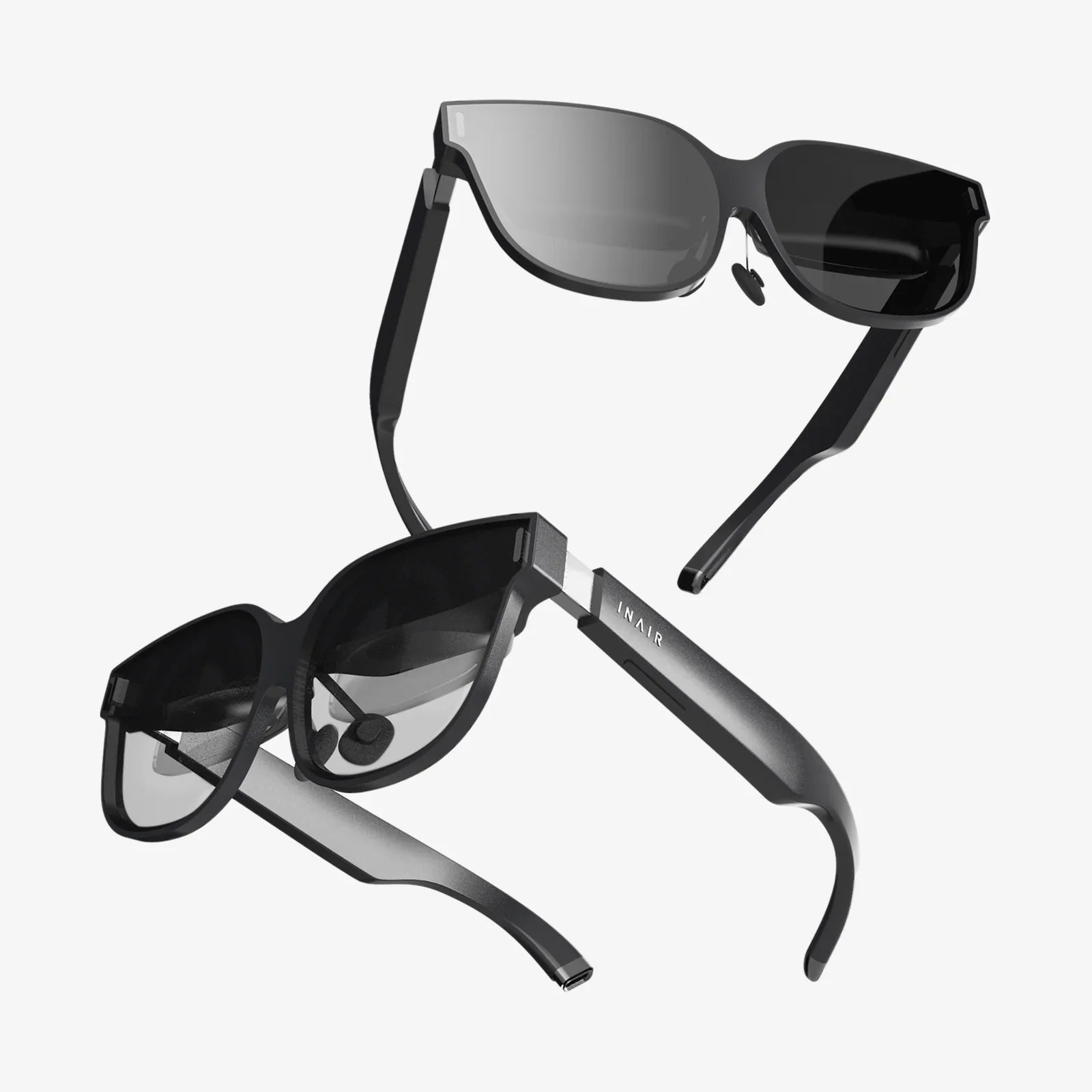
Imagine stepping into a new world, one where the boundaries of physical reality dissolve and the only limit is the imagination. This is the promise of Virtual Reality, a technology that has catapulted from science fiction to a tangible, powerful tool reshaping our lives. But behind the dazzling spectacle and incredible potential lies a complex landscape of trade-offs. Is VR the key to a brighter future, or does it harbor hidden dangers we are only beginning to understand? The journey to understand the full impact of VR is as fascinating as the technology itself, revealing a story of incredible innovation tempered by very human concerns.
The Unmatched Pros: A Gateway to New Realities
The advantages of Virtual Reality are not merely incremental improvements on existing technologies; they represent a fundamental shift in how we interact with digital information and with each other. Its strengths lie in its ability to create experiences that were previously impossible.
Revolutionizing Education and Training
Perhaps the most profound application of VR is in the realm of learning. Traditional education often relies on abstract concepts and two-dimensional representations. VR shatters these limitations.
- Experiential Learning: Instead of reading about ancient Rome, students can walk through a meticulously reconstructed Forum. Medical students can practice complex surgical procedures on virtual patients, making mistakes without consequences and mastering skills through repetition in a risk-free environment. This "learning by doing" approach dramatically improves knowledge retention and skill acquisition.
- High-Stakes Training: For pilots, surgeons, soldiers, and first responders, VR simulations provide invaluable training for high-pressure scenarios. Firefighters can navigate burning buildings, and engineers can practice repairing intricate machinery, all within a controlled, safe virtual space. This not only saves costs on physical resources but also saves lives by ensuring professionals are better prepared for real-world challenges.
Transforming Entertainment and Social Connection
Entertainment is the most visible face of VR, but its impact goes far beyond mere games.
- Ultimate Immersion: VR offers a level of immersion that flat screens cannot match. You are not just watching a movie; you are inside it. You are not just playing a game; you are living it. This creates powerful emotional connections to content and unforgettable experiences.
- Redefining Social Interaction: Social VR platforms allow people to gather, converse, and share experiences as lifelike avatars, regardless of physical distance. This can combat loneliness and create a genuine sense of presence with friends and family across the globe. It has the potential to become a new paradigm for remote work, allowing colleagues to collaborate in a shared virtual office space as if they were in the same room.
Breakthroughs in Healthcare and Therapy
The therapeutic potential of VR is staggering and is already providing relief and treatment where traditional methods fall short.
- Exposure Therapy: VR is a powerful tool for treating phobias, anxiety, and PTSD. Therapists can gradually and safely expose patients to their triggers—such as heights, flying, or social situations—within a manageable virtual environment, helping them process and overcome their fears.
- Pain Management and Rehabilitation: For patients undergoing painful procedures or physical rehabilitation, VR acts as a powerful distraction. Immersive experiences can significantly reduce the perception of pain and make repetitive physical therapy exercises more engaging, leading to better patient outcomes and adherence to treatment plans.
The Significant Cons: Navigating the Virtual Minefield
For all its promise, VR technology is not without its serious drawbacks. These challenges range from immediate physical discomfort to profound long-term societal and psychological implications that demand careful consideration.
Physical and Psychological Health Concerns
The human body and mind did not evolve to process virtual worlds, and the dissonance can cause significant issues.
- Cybersickness: A prevalent issue akin to motion sickness, cybersickness occurs when your eyes perceive movement in the virtual world while your inner ear feels stationary. This sensory conflict can cause nausea, dizziness, headaches, and sweating, limiting the duration of use for many individuals.
- Eye Strain and Visual Discomfort: Focusing on pixels on a screen mere centimeters from the eyes for extended periods places immense strain on the ocular muscles. This can lead to blurred vision, dry eyes, and headaches. The long-term effects on eyesight, particularly for children whose visual systems are still developing, are not yet fully understood and are a major area of concern for researchers.
- Reality Blurring and Dissociation: Intense immersion can sometimes lead to a temporary feeling of disorientation or dissociation upon returning to the real world. For some users, the line between the virtual and the physical can become uncomfortably blurred, raising questions about the technology's impact on our fundamental perception of reality.
High Barriers to Entry
Widespread adoption of high-quality VR is still hindered by significant practical and economic hurdles.
- Cost: A powerful VR setup requires a significant financial investment. This includes not just the headset but also often a high-end computer or console capable of running the demanding software. This economic barrier puts cutting-edge VR experiences out of reach for a large portion of the global population.
- Space and Setup: Unlike a smartphone or television, VR often requires dedicated physical space for a safe and optimal experience. Room-scale VR, in particular, needs a clear area free of obstacles, which is a luxury in many homes. The setup process can also be complex and intimidating for non-technical users.
Social Isolation and Ethical Quandaries
The very immersion that makes VR so powerful also creates its most profound social risks.
- The Potential for Isolation: While VR can connect people virtually, it does so by physically isolating the user from their immediate environment. There is a tangible risk of individuals withdrawing from real-world relationships and responsibilities in favor of a curated virtual existence, potentially exacerbating social anxiety and loneliness rather than alleviating it.
- Privacy and Data Security: VR headsets are data collection powerhouses. They track not only your movements and choices but also your physiological responses—where you look, how you react, even pupil dilation. This biometric data is incredibly sensitive. The questions of who owns this data, how it is used, and how it is protected from misuse are critical ethical dilemmas that remain largely unresolved.
- Content and Addiction: The immersive nature of VR makes experiences more intense and potentially more addictive. The risk of exposure to extreme or harmful content is also heightened, as the experience feels more "real" than traditional media. Establishing ethical guidelines for content creation and usage is a monumental challenge that society is only beginning to confront.
Striking a Balance: The Responsible Path Forward
The future of VR is not predetermined. It will be shaped by the choices made by developers, policymakers, and users today. Navigating the pros and cons requires a commitment to responsible innovation.
This means developing stronger ethical frameworks for data privacy, investing in research to understand and mitigate health impacts like cybersickness, and creating design guidelines that prioritize user well-being over endless engagement. For users, it means practicing digital wellness—setting time limits, taking regular breaks, and maintaining a healthy balance between the virtual and the real world. Education on safe usage, especially for younger audiences, is paramount.
The technology itself will also evolve. Advancements in display technology, haptic feedback, and wireless connectivity will gradually lower barriers and reduce physical discomfort. The goal should be to enhance human potential and connection, not to replace the physical world we inhabit.
The virtual frontier is vast and filled with both incredible opportunity and real peril. Its ultimate value will be measured not by the fidelity of its graphics, but by how it enhances our humanity, fosters genuine connection, and is integrated thoughtfully into the fabric of our lives. The headset may be a portal to other worlds, but our feet must remain firmly planted in this one, guiding the technology with wisdom, caution, and a clear-eyed view of both its dazzling light and its potential shadows. The power to create a future where VR is a force for good lies not in the technology itself, but in our hands.
Share:
X R Meaning: Decoding the Symbol That's Reshaping Our Reality
VR Purchase: The Ultimate Guide to Making an Informed Decision in the Metaverse