


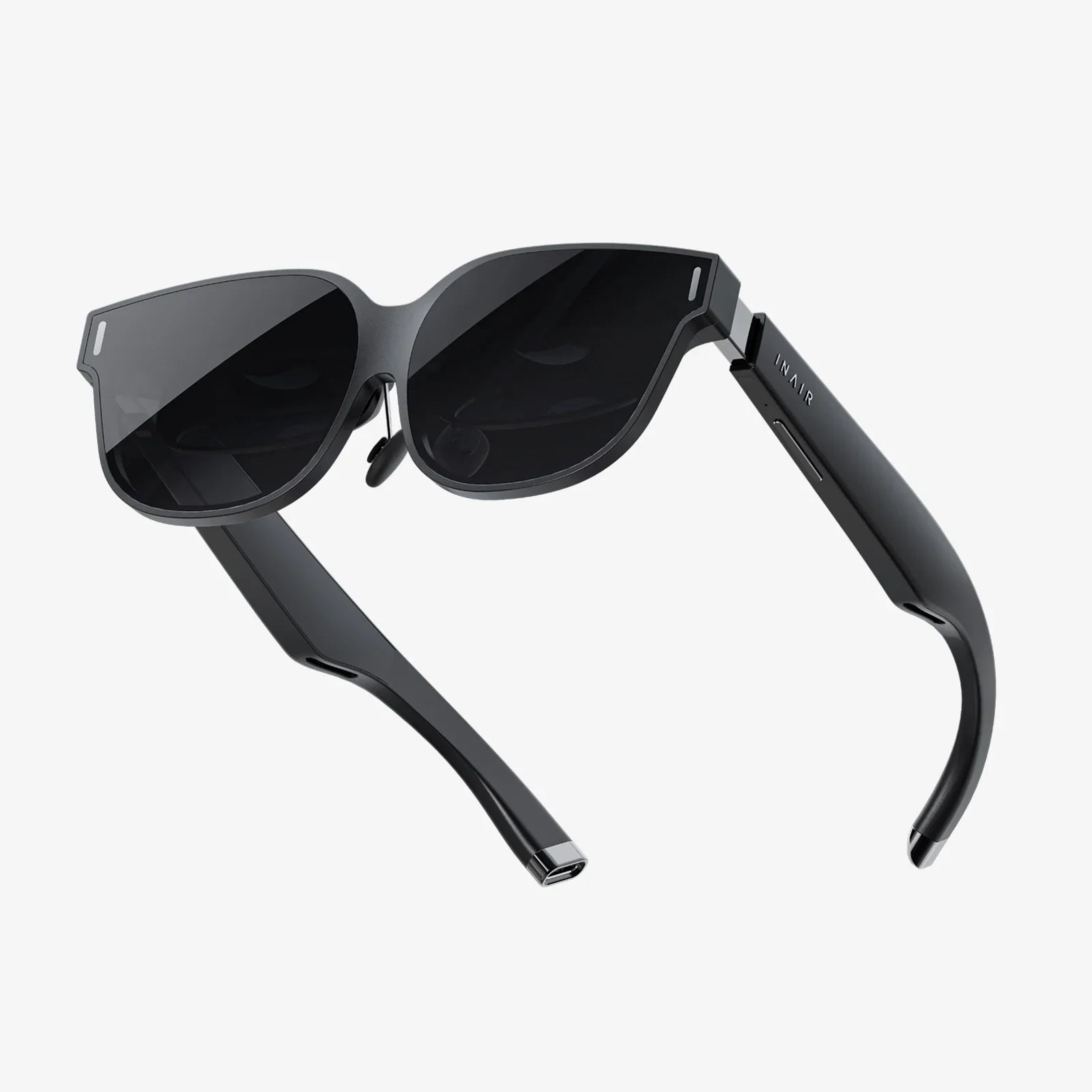
You've seen the future, and it's wearing a headset. The promise of virtual reality has shifted from science fiction to a tangible, awe-inspiring reality, beckoning you to step inside. The worlds you can explore, the experiences you can have, and the sheer thrill of immersion are just a VR purchase away. But with a rapidly evolving market and a plethora of options, how do you ensure your hard-earned money unlocks a gateway to wonder and not a drawer of regret? This definitive guide is your trusted companion, designed to navigate the complexities of the VR landscape and empower you to make the most informed, confident VR purchase imaginable.
Defining Your Virtual Reality: The Foundation of Your VR Purchase
Before diving into specifications and technical jargon, the most critical step in your VR purchase journey is a moment of introspection. VR is not a monolithic experience; it serves different masters. Are you a hardcore gamer seeking the most intense, high-fidelity combat simulations? A fitness enthusiast looking to break a sweat in engaging virtual environments? A creative professional exploring 3D design and modeling? Or perhaps a curious newcomer wanting to experience 360-degree videos and casual social interactions? Your primary use case is the compass that will guide every subsequent decision.
The ecosystem you're already invested in also plays a pivotal role. PC gamers with powerful rigs have a different set of optimal choices compared to console owners or those seeking a completely untethered, standalone experience. Your available physical space is another non-negotiable factor. While some systems offer full room-scale tracking, requiring a clear area to walk around in, others are designed for stationary or seated experiences, perfect for smaller living spaces. A honest assessment of your intent, existing tech, and environment is the bedrock upon which a successful VR purchase is built.
Deciphering the Tech Specs: What Really Matters in a VR Headset
The specifications sheet for a VR headset can be daunting. Resolution, refresh rate, field of view, tracking technology—it's easy to get lost in the numbers. Let's break down what these terms actually mean for your experience.
Resolution and Display Clarity
This is often the first spec buyers look at, and for good reason. Resolution directly impacts the dreaded "screen door effect," where the visible lines between pixels can break immersion. A higher resolution, such as 4K or beyond per eye, delivers a sharper, clearer, and more believable image. However, resolution is not the only factor; the type of display panel (OLED vs. LCD) also affects color vibrancy and black levels. OLED panels typically offer richer colors and true blacks, enhancing depth and realism, while modern LCDs can achieve higher resolutions and reduce motion blur.
Refresh Rate: The Key to Smoothness
Measured in Hertz (Hz), the refresh rate determines how many times per second the image in your headset is updated. A higher refresh rate, such as 90Hz, 120Hz, or even 144Hz, results in significantly smoother motion. This is crucial for comfort; a low refresh rate can lead to judder and is a primary contributor to VR-induced motion sickness for some users. Smooth, high-frame-rate gameplay feels more responsive and is far less likely to cause discomfort during fast-paced action.
Field of View (FoV)
If resolution is the clarity of the window into VR, the field of view is the size of that window. A wider FoV, typically between 90 and 120 degrees, provides a greater sense of immersion by filling more of your peripheral vision. A narrow FoV can feel like looking through binoculars, constantly reminding you that you're wearing a headset. While most consumer headsets have converged on a similar range, it remains a vital spec for achieving true presence.
Tracking: Inside-Out vs. Outside-In
This is the technology that allows the headset to understand your movements. Outside-in tracking relies on external sensors or base stations placed around your room to precisely monitor the position of the headset and controllers. It is renowned for its millimetric accuracy and is the gold standard for competitive VR gaming. The downside is the setup process, which involves mounting hardware and managing cables.
Inside-out tracking, now the industry standard for standalone and many PC-connected headsets, uses cameras embedded on the headset itself to map the room and track the controllers. It offers fantastic convenience and portability with zero setup, as you can use the system almost anywhere. While its absolute precision can be very slightly less than outside-in in extreme competitive scenarios, the technology has advanced to the point where the difference is negligible for the vast majority of users, making it the more practical choice for most VR purchases.
The Great Debate: Standalone, PCVR, and Console VR
This is the primary fork in the road for your VR purchase. Each path offers a distinct balance of convenience, performance, and cost.
Standalone VR: Freedom and Accessibility
Standalone headsets are all-in-one units with a mobile processor, memory, and storage built directly into the headset. They are completely wireless, untethered from any external device, offering unparalleled freedom and ease of use. Your play space is limited only by your physical environment and battery life. The trade-off is raw graphical power; they cannot match the visual fidelity of a headset powered by a high-end gaming PC. However, for media consumption, social apps, fitness, and a massive library of mobile-optimized games, they represent the most accessible and popular entry point into VR.
PCVR: The Premium Experience
PC-connected VR headsets are the performance powerhouses. By leveraging the immense graphical capabilities of a dedicated gaming computer, these systems deliver the highest resolutions, the most detailed textures, the most complex physics, and the most immersive experiences available in consumer VR. They are the domain of sim racers, flight enthusiasts, and gamers who demand the absolute best. The obvious requirements are the cost of both the headset and a capable gaming PC, as well as the physical tether of a cable (though wireless adapter kits exist for some models).
Console VR: The Plug-and-Play Option
This category is currently dominated by a single, highly successful player. Console-based VR offers a compelling middle ground: it's more powerful than standalone mobile chips but far more streamlined and affordable than a full PCVR setup. It functions as a peripheral for a games console, providing a curated, high-quality library of VR titles optimized specifically for that hardware. It removes the guesswork and technical hurdles of PC gaming, offering a reliable, plug-and-play experience that consistently delivers strong performance and great games.
Comfort is King: The Often-Overlooked Factor
You can have the most technically advanced headset in the world, but if it's uncomfortable to wear, it will gather dust. Comfort is subjective but paramount. Key considerations include:
- Weight Distribution: A well-designed headset uses a rigid strap (like a halo or rigid strap design) to distribute weight across your forehead and the back of your skull, rather than pressing directly on your face.
- Facial Interface: The material that touches your face (usually foam or silicone) should be soft, breathable, and easy to clean. Many companies offer VR-grade foam replacements for hygiene and comfort.
- IPD Adjustment: The Interpupillary Distance (IPD) is the distance between your pupils. Mechanical IPD adjustment (physically moving the lenses) is crucial for achieving a clear, single image and avoiding eye strain. Software-based adjustment is a inferior substitute.
- Battery Life (for standalone): For wireless models, battery life typically ranges from 2 to 3 hours. Consider if you can play while plugged in or if purchasing an external battery pack is necessary for your usage patterns.
The Controller: Your Hand in the Virtual World
Your interaction with the digital realm is mediated through the controllers. Standard designs now almost universally feature an ergonomic grip that fits naturally in your hand, analog sticks, buttons, triggers, and, most importantly, precise motion tracking. The latest generation has introduced a paradigm shift: hand-tracking and finger-tracking. This technology uses the headset's cameras to see your bare hands, allowing you to manipulate virtual objects with natural gestures, without holding anything. While not yet a replacement for controllers in all scenarios, it represents the future of VR interaction, making experiences more intuitive and social interactions more expressive.
Beyond the Hardware: The Software Ecosystem
A VR headset is a portal, but the content is the destination. Before finalizing your VR purchase, investigate the digital storefront it accesses. Is there a healthy, growing library of games and experiences? Are the flagship titles you're excited about available on that platform? Look into the social features. Does the platform have a robust social hub where you can easily meet up with friends, watch movies together, or attend live events? A vibrant ecosystem with strong developer support ensures your investment remains relevant and engaging for years to come.
The Final Checklist Before You Click "Buy"
- Confirm PC Specifications: If buying a PCVR headset, rigorously check the recommended specs for the headset, not just the minimum. A underpowered PC will lead to a subpar, stuttering experience.
- Measure Your Play Space: Use a tape measure. Ensure you have at least the minimum required area for your chosen system's tracking method, and clear it of obstacles.
- Read Recent Reviews: Tech evolves fast. Read and watch reviews from the last 3-6 months to get the most current perspective on software updates and the state of the platform.
- Check the Return Policy: VR is a uniquely personal experience. If possible, buy from a retailer with a good return policy in case the experience doesn't meet your expectations or you encounter comfort issues.
- Budget for Content: The initial VR purchase is just the beginning. Account for the cost of games, apps, and potential accessories like additional face covers, prescription lens inserts, or upgraded straps.
The horizon of virtual reality is expanding at a breathtaking pace, with new advancements in haptic feedback, eye-tracking, and graphical fidelity announced regularly. It's easy to fall into the trap of waiting for the "next big thing." But the truth is, the technology available today is profoundly capable and incredibly exciting. By aligning your desires with the right hardware, you are not just making a purchase; you are acquiring a passport to concerts on Mars, epic battles in fantasy realms, and creative tools that defy the laws of physics. The virtual frontier is vast, stunning, and waiting for you to take that first step. Your journey begins now.
Share:
VR Pros and Cons: An In-Depth Exploration of the Virtual Frontier
Black Headphones Wireless: The Ultimate Guide to Unparalleled Audio Freedom