


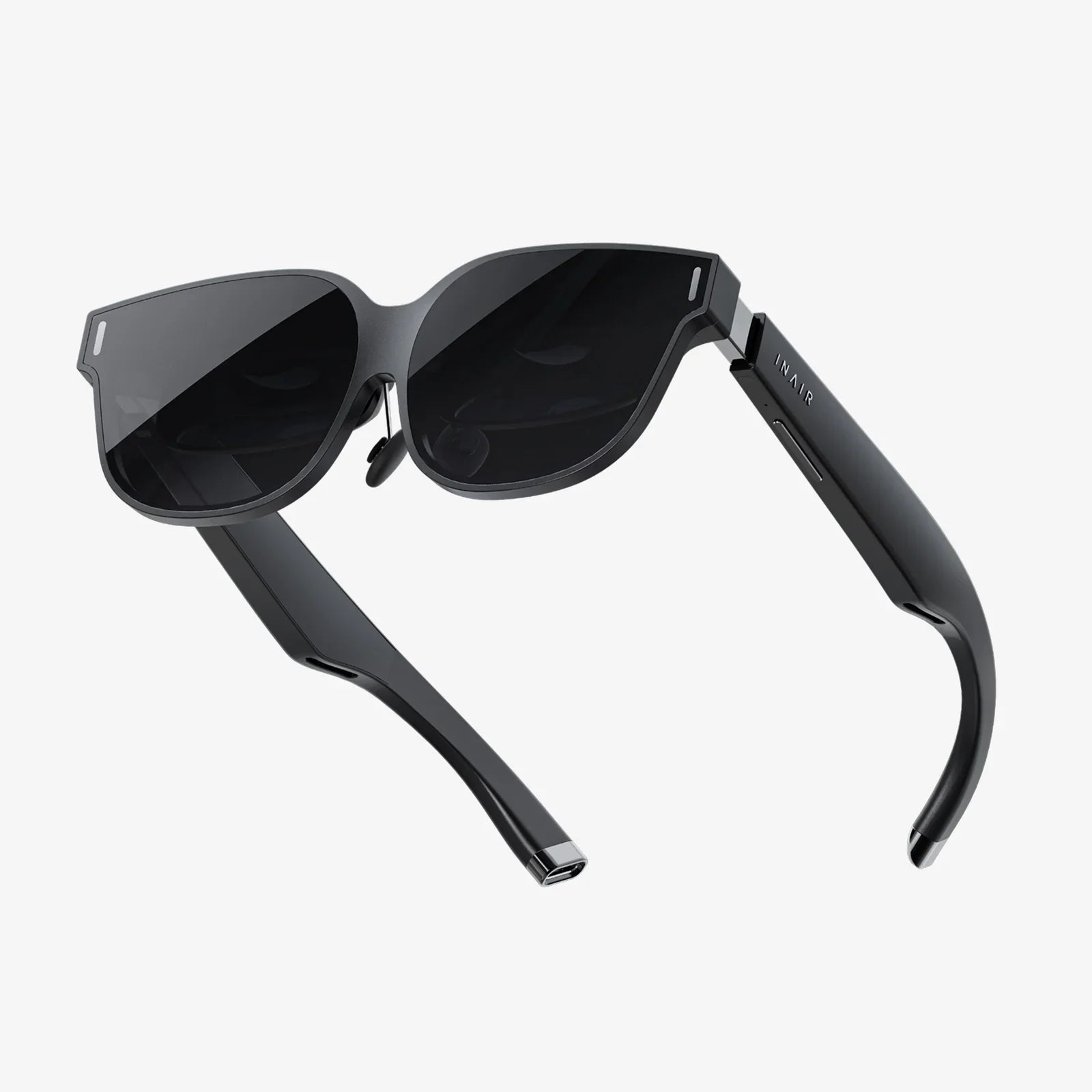
The digital frontier is no longer a distant sci-fi fantasy; it’s a reality waiting to be unlocked, and the key is finding the right VR systems for sale. The promise of stepping into fully immersive worlds, from breathtaking game landscapes to revolutionary professional training simulations, has never been more accessible. But with a market flooded with options, how do you navigate the choices to find the perfect gateway into the metaverse? This definitive guide cuts through the noise, providing you with the essential knowledge to make a confident and inspired purchase, transforming how you work, play, and connect.
Understanding the VR Landscape: More Than Just Games
Before diving into specifications and price points, it's crucial to understand the broader ecosystem of virtual reality. Modern VR systems for sale are not monolithic; they represent a spectrum of technologies designed for different purposes and users. The technology has evolved from clunky, expensive prototypes to sleek, powerful devices poised to become household staples. This evolution is driven by advancements in display technology, motion tracking, and computing power, making high-fidelity virtual experiences available to a mass audience. Recognizing the type of experience you seek is the first step in narrowing down your options.
Types of VR Systems: Tethered, Standalone, and Mobile
The first major categorization of VR systems for sale splits them into three distinct camps, each with its own strengths and compromises.
Tethered VR Systems
These are the powerhouses of the virtual reality world. A tethered system consists of a headset that is physically connected, via a high-speed cable, to a powerful external computer or console. This connection provides the headset with immense processing power, enabling the most graphically intensive and physically realistic experiences available. The trade-off is a lack of freedom; your movement is constrained by the length of the cable. These systems are typically the choice of dedicated gamers and professionals in fields like architecture and engineering who require the highest possible fidelity and performance.
Standalone VR Systems
Standalone systems represent the most significant growth segment in the market. These all-in-one devices have the computer, display, and tracking technology built directly into the headset. There are no wires to a PC and no need to slot in a smartphone. They are completely wireless, offering unparalleled freedom of movement. While historically less powerful than their tethered counterparts, the gap is closing rapidly with each new generation of processors. Standalone systems are ideal for users seeking an accessible, convenient, and wire-free entry into VR, perfect for social apps, fitness, media consumption, and a vast library of games.
Smartphone-Based VR
This category, which was once a popular entry point, has largely been superseded by standalone systems. These platforms used a headset mount that housed a user's smartphone, which acted as both the display and the processor. While incredibly affordable, the experiences were often limited in quality and interactivity due to the constraints of mobile hardware. For most consumers looking for VR systems for sale today, standalone systems offer a far superior experience for a reasonable cost.
Key Specifications to Decipher
When comparing different VR systems for sale, you'll be bombarded with technical jargon. Understanding a few key specifications will empower you to see past the marketing and understand the real-world experience.
Display Resolution and Refresh Rate
These two factors are paramount to visual comfort and immersion. Resolution is measured in pixels per eye (e.g., 1832 x 1920). A higher resolution means a sharper, clearer image with less visible "screen door effect" (the fine lines between pixels). Refresh Rate, measured in Hertz (Hz), indicates how many times the image on the screen refreshes per second. A higher refresh rate (90Hz and above) leads to smoother motion, which is critical for reducing latency-induced motion sickness and creating a believable, comfortable world.
Field of View (FoV)
Field of View is the extent of the observable world seen at any given moment, measured diagonally in degrees. A wider FoV (around 100 degrees or more is standard) increases the feeling of immersion, making you feel like you're looking out through a visor rather than into a pair of binoculars. A narrow FoV can constantly remind you that you're wearing a headset.
Tracking Technology: Inside-Out vs. Outside-In
How the system understands your movement is fundamental to interaction.
- Inside-Out Tracking: Cameras on the headset itself observe the surrounding environment and the controllers to track their position. This eliminates the need for external sensors placed around the room, making setup incredibly easy and portable. This is the standard for all modern standalone systems and many new tethered headsets.
- Outside-In Tracking: External sensors or base stations placed in the room track the position of the headset and controllers. This method can be extremely precise and reliable, especially for complex movements, but requires a more involved setup and is confined to the space where the sensors are installed.
Controllers and Input
The controllers are your hands in the virtual world. Look for systems with ergonomic controllers that feature intuitive button layouts, haptic feedback (subtle vibrations that simulate touch), and precise tracking. The best controllers feel like a natural extension of your body, allowing for complex gestures and interactions.
The Content Ecosystem: What Will You Actually Do?
A VR system is only as good as the software that runs on it. Before purchasing, investigate the platform's content library. The most compelling VR systems for sale are backed by robust and growing ecosystems.
Gaming and Entertainment
This is the primary driver for many users. Explore the storefronts to see what exclusive titles are available, the depth of the game library, and the variety of genres. Beyond games, look for immersive 360-degree videos, virtual travel experiences, and social platforms where you can meet friends in virtual spaces.
Productivity and Social Applications
VR is rapidly becoming a viable platform for work and social connection. Applications allow for virtual meetings in shared spaces, massive virtual monitors for coding or design work, and collaborative 3D modeling. The ability to feel present with colleagues from across the globe is a transformative professional tool.
Fitness and Wellness
The VR fitness revolution is here. A plethora of engaging apps turn workouts into fun, gamified experiences, from rhythm-based boxing to immersive coaching sessions. This is a killer app for many, turning exercise from a chore into a daily highlight.
Setting Up Your Virtual Space
Your physical environment is just as important as your virtual one. Most systems offer two primary modes:
Stationary Mode
Perfect for seated experiences or standing in one place, like playing a cockpit simulator or watching a movie. The system defines a safe zone where you can move your arms without risk.
Room-Scale Mode
This mode allows you to walk around physically within a defined play area. The system maps your room's boundaries and will warn you with a virtual grid (called a Guardian or Chaperone system) if you get too close to the edge. This is essential for active games and fully immersive exploration. Clear a space free of obstacles, pets, and low-hanging light fixtures to ensure a safe experience.
Making the Final Decision: A Buyer's Checklist
Armed with this knowledge, you can approach your purchase systematically. Use this checklist to evaluate the VR systems for sale that catch your eye.
- Define Your Primary Use Case: Are you a hardcore gamer, a fitness enthusiast, a social butterfly, or a professional? Your answer will point you toward tethered or standalone systems.
- Audit Your Hardware: If considering a tethered system, does your computer meet or exceed the required specifications? Check the GPU, CPU, and USB ports meticulously.
- Set a Realistic Budget: Factor in the cost of the headset, any mandatory accessories, and a healthy budget for software. compelling experiences add up quickly.
- Comfort is King: If possible, try before you buy. A headset that is too heavy, has a poor strap design, or doesn't fit your face shape will gather dust. Look for adjustable straps, balanced weight distribution, and interchangeable facial interfaces.
- Research the Software Library: Ensure the system you choose has the apps and games you are most excited about, both available now and announced for the future.
- Read User Reviews: Look beyond professional reviews. Actual user feedback often highlights long-term comfort issues, software bugs, and the real-world quality of customer support.
The journey to finding your ideal virtual reality setup is an exciting one, filled with the promise of new horizons. The market for VR systems for sale is rich with innovation, offering a path into virtuality for every interest and budget. By carefully considering your needs, understanding the technology, and thoughtfully evaluating your options, you are no longer just buying a piece of hardware. You are purchasing a ticket to explore uncharted worlds, master new skills, and connect with others in ways previously confined to imagination. Your adventure into the next dimension of digital experience is ready to begin.
Share:
What Human Computer Interaction Is and Why It's the Future of Technology
A R Headset: The Invisible Revolution Reshaping Our Reality