


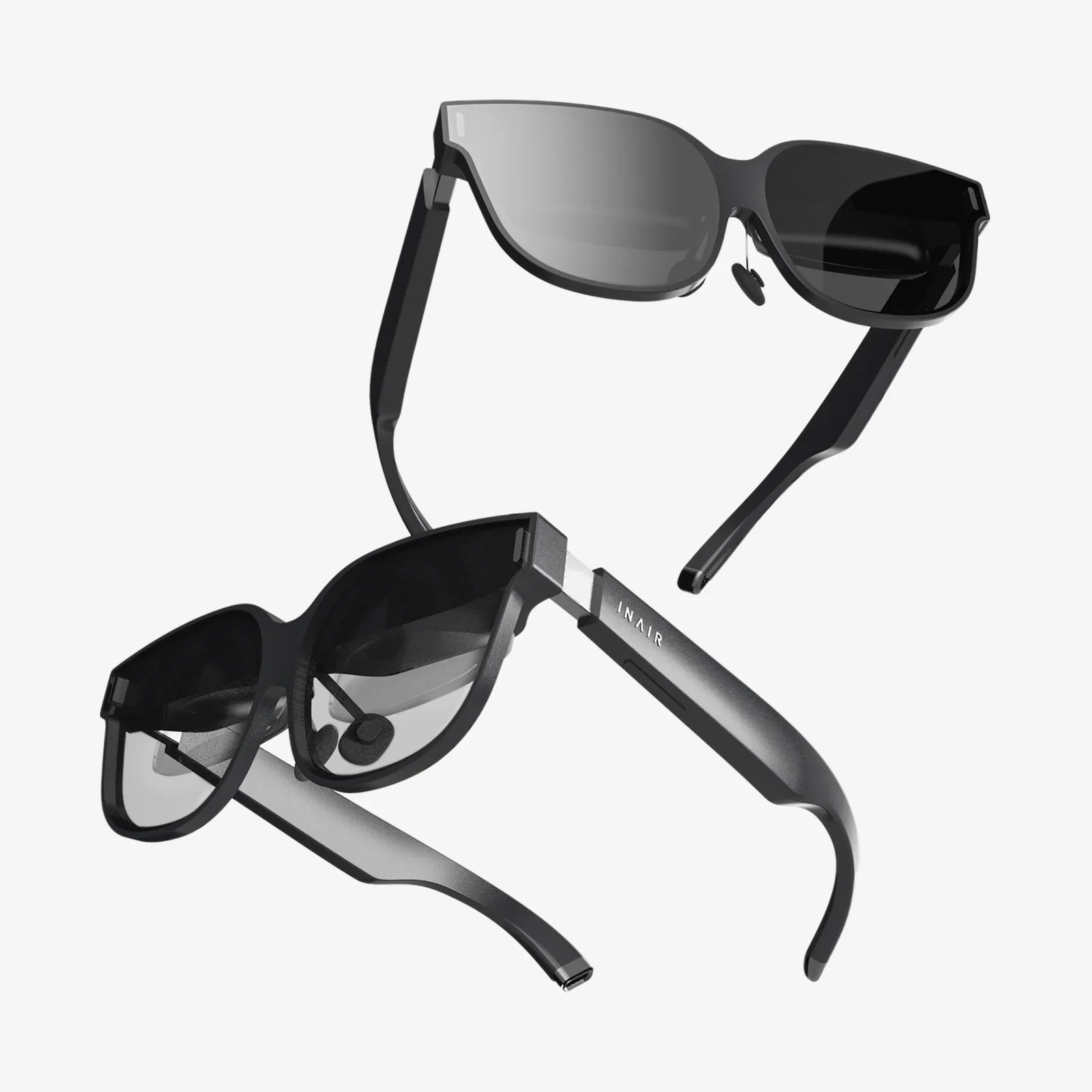
- by wangfred
VR Wearables Are Reshaping Reality and Redefining Human Connection
- by wangfred
Imagine slipping on a sleek visor and instantly teleporting to a front-row seat at a concert on the other side of the world, collaborating with colleagues as lifelike avatars in a virtual boardroom, or learning complex surgery by practicing on a perfect digital cadaver. This is no longer the stuff of science fiction; it is the imminent future being forged by the rapid and relentless advancement of VR wearables. These devices are shedding their bulky, niche origins to become the next great computing platform, a gateway to experiences that are limited only by imagination. They promise not just to change how we play games, but to fundamentally reshape the very fabric of human connection, work, and understanding.
The journey of VR wearables is a story of breathtakingly fast technological evolution. The earliest consumer-grade devices were monumental achievements in their own right, but they were often characterized by their weight, tethered connections to powerful computers, and a resolution that left users acutely aware of the "screen door" between themselves and the virtual world. They were, for many, a thrilling proof of concept.
Today, that landscape is unrecognizable. The modern VR wearable is a marvel of miniaturization and engineering. Standalone headsets pack immense processing power, high-resolution displays, and a sophisticated array of sensors into a form factor that is increasingly ergonomic and accessible. Key advancements are driving this revolution:
While gaming remains a powerful driver of consumer adoption, the most profound impact of VR wearables is being felt far from the living room. Enterprises are deploying this technology to solve real-world problems, enhance safety, and save millions of dollars.
In manufacturing and design, engineers and architects can walk through full-scale 3D models of buildings, vehicles, or complex machinery before a single physical component is ever built. They can identify design flaws, experiment with different materials, and streamline production processes in a risk-free digital twin of the real world. This not only accelerates innovation but drastically reduces costly prototyping errors.
The training sector has been utterly transformed. From pilots practicing emergency procedures to retail employees managing holiday rushes, VR provides a safe, scalable, and repeatable training environment. It allows for the practice of high-stakes, low-frequency events that would be dangerous, expensive, or impossible to replicate in the real world.
Perhaps the most heartening application is in healthcare. VR wearables are emerging as powerful therapeutic tools. They are used to treat phobias through controlled exposure therapy, manage chronic pain by redirecting neural pathways, and help stroke victims regain motor function through engaging rehabilitation exercises. Surgeons across the globe also use VR platforms to observe and learn from complex procedures performed by leading experts, democratizing access to world-class medical training.
The ultimate promise of VR wearables is to conquer physical distance and create a new paradigm for human interaction. Early social VR platforms have demonstrated the incredible potential of this medium. Instead of a grid of faces on a flat screen, social VR allows users to inhabit shared virtual spaces as expressive avatars. They can make eye contact, use natural gestures, and experience a true sense of co-presence—the feeling that you are in a room with another person, sharing the same space.
This has staggering implications. Families separated by oceans can gather in a virtual living room that feels palpably real. Colleagues working remotely can collaborate around a 3D model as if they were standing around a physical table. Friends can attend a virtual comedy show or explore a digital art gallery together, sharing laughter and reactions in real-time. This technology offers a potent antidote to the isolation and the often-impoverished nature of text-based or 2D video communication, fostering a deeper, more nuanced form of digital connection.
As with any transformative technology, the rise of VR wearables is not without its significant challenges and ethical dilemmas. The very immersion that makes the experience so powerful also introduces new risks.
Data privacy becomes a paramount concern. These devices are data collection powerhouses, capable of tracking everything from eye gaze and pupil dilation to precise body movements and detailed maps of a user's home. This biometric data is incredibly sensitive, raising urgent questions about ownership, consent, and security. Robust regulatory frameworks will be essential to prevent misuse.
The potential for psychological impact also demands careful consideration. As virtual worlds become more compelling than reality for some, issues of addiction and escapism could arise. The concept of "The Metaverse"—a persistent network of interconnected virtual spaces—also brings forth complex questions about digital identity, ownership of virtual assets, and the potential for new forms of inequality between those who can and cannot access these new realms.
Furthermore, the ability to create hyper-realistic simulated experiences could be misused for misinformation or manipulation, creating "deepfake" environments that are indistinguishable from truth. Establishing a clear ethical code for development and use will be one of the most critical tasks facing technologists, policymakers, and society as a whole.
The trajectory of VR wearables points toward even more seamless and powerful integration with our lives and our biology. The next generation of devices is already on the drawing board, promising features that sound like magic.
We are moving toward varifocal displays that dynamically adjust to where the user's eyes are focused, solving a longstanding issue that causes eye strain. Eye and face tracking will become standard, allowing avatars to convey subtle, non-verbal cues like a raised eyebrow or a knowing smirk, supercharging social presence. The ultimate goal remains photorealistic augmented reality, where digital objects are perfectly anchored and indistinguishable from the physical world.
Further out, research into brain-computer interfaces suggests a future where we may not need screens or controllers at all. Interaction could happen through thought alone, and virtual experiences could be directly rendered by stimulating the neural pathways of the brain. While this remains a distant frontier, it underscores the transformative potential of this technology to ultimately become an extension of our own consciousness.
The door to these impossible experiences is now open, and it's being held ajar by a new generation of sophisticated, powerful, and intuitive VR wearables. This is not just a new way to view content; it is a new way to be human, to connect, to learn, and to create. The virtual frontier is waiting, and it is more real than we ever could have imagined.
Share:
Highest Resolution VR Goggles: A Deep Dive into the Pinnacle of Virtual Clarity
Kinds of Digital Products: The Ultimate Guide to the Digital Ecosystem