


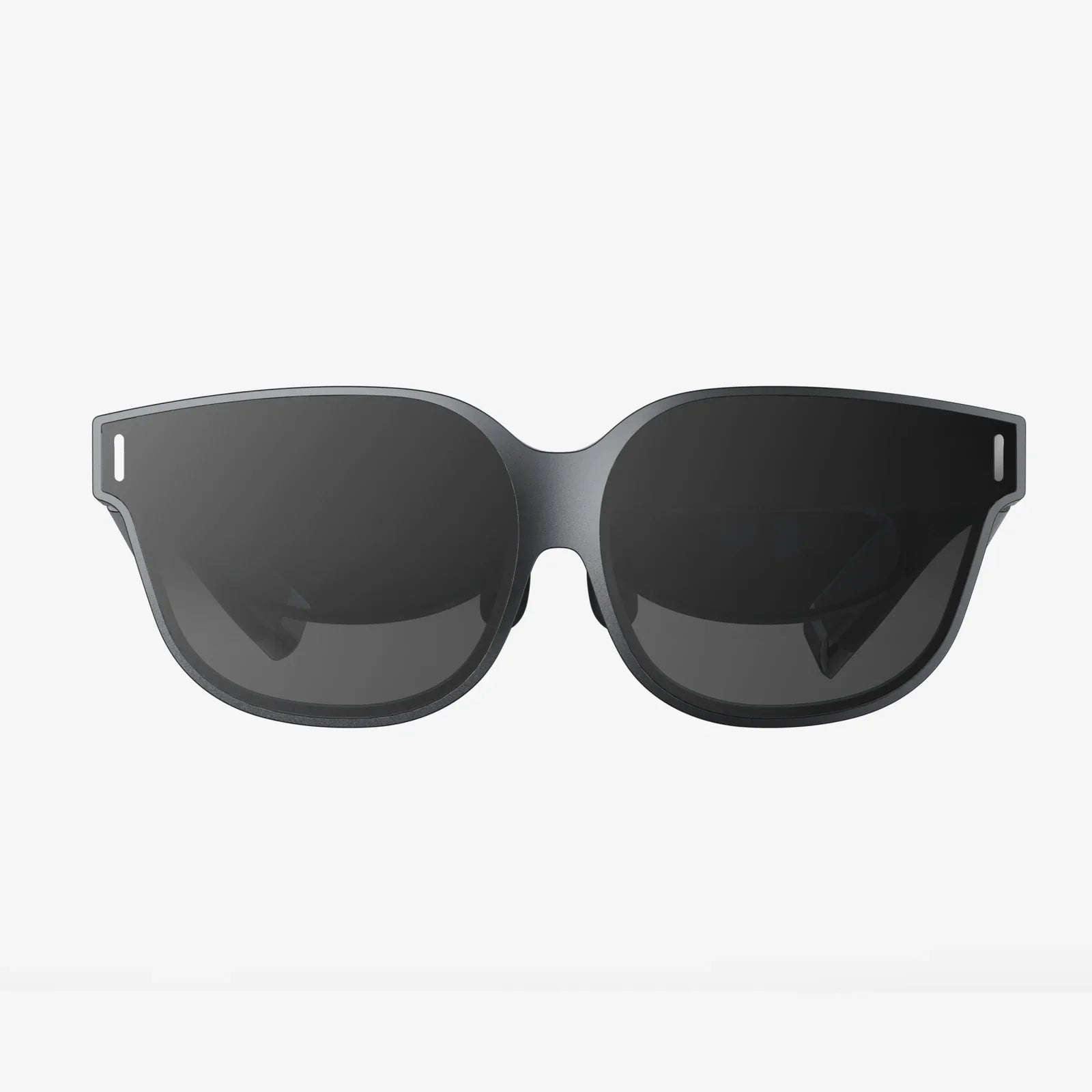
Imagine a device that can transport you to the summit of Mount Everest, the surface of Mars, or the front row of a concert, all from the comfort of your living room. This is the dazzling promise of virtual reality, a technology that has captured the imagination of millions and heralded as the next great computing platform. But behind the glossy marketing and breathtaking demos lies a more complex and less comfortable reality. The path to a truly seamless virtual existence is fraught with significant, and often unspoken, weaknesses that threaten to stall the revolution before it even begins. From the physical discomfort of a headset to the profound psychological and societal questions it raises, the journey into the virtual is proving to be far rockier than anticipated.
The Physical Toll: When Immersion Comes at a Cost
The most immediate and personal weakness of virtual reality is its physical impact on the user. For all its digital wonder, the technology is anchored in a piece of hardware that must be strapped to the face, creating a cascade of sensory conflicts and physical discomforts.
Cybersickness: The Body's Rebellion
A significant portion of users experience a form of motion sickness known as cybersickness. This disorienting and nauseating feeling occurs due to a fundamental mismatch between the senses. Your eyes, immersed in a visually dynamic virtual world, are telling your brain that you are in motion—running, flying, or turning. However, your vestibular system in your inner ear, which is responsible for balance and spatial orientation, reports that your body is stationary. This sensory conflict is interpreted by the brain as a potential hallucination, possibly triggered by poison, leading it to induce nausea and dizziness to encourage the body to expel the presumed toxin. This is a primitive and powerful physiological response that current technology struggles to overcome completely. While techniques like higher refresh rates, reduced latency, and clever field-of-view tricks can mitigate the issue for some, a substantial number of potential users remain effectively locked out of the VR experience due to this debilitating weakness.
Visual Fatigue and Eye Strain
Beyond nausea, the very act of rendering a 3D world on two 2D screens placed inches from the eyes places a unique strain on the visual system. The Vergence-Accommodation Conflict (VAC) is a core technical challenge. In the real world, our eyes converge (cross or uncross) and their lenses accommodate (change focus) in perfect synchrony to bring an object into sharp relief. In most VR headsets, the screens are at a fixed focal distance, typically a few meters away. Your eyes must converge on a virtual object that appears to be nearby, but they must simultaneously keep focus (accommodate) on the fixed screen. This forced decoupling of two naturally linked processes is unnatural and can lead to significant eye strain, headaches, and visual discomfort during prolonged use, another major barrier to long-term immersion.
The Burden of Hardware
Even as headsets become lighter and more powerful, they remain cumbersome. The experience of being tethered, either by a physical cable to a powerful computer or by the constant need to charge a wireless headset, is a tangible reminder that you are not truly free in this digital realm. The weight of the device, however distributed, creates pressure on the face and bridge of the nose, often leading to a phenomenon unglamorously known as "VR face" after a session. The hardware itself, a necessary gatekeeper to the virtual world, is a persistent and palpable weakness that constantly pulls the user back into the physical one.
The Social Abyss: The Isolation of Connected Worlds
Perhaps the most poignant weakness of virtual reality is its inherent tendency toward isolation. While proponents tout its ability to connect people across vast distances in shared virtual spaces, the act of connection itself requires putting on a headset that physically severs you from your immediate environment.
The Paradox of Social VR
Social VR platforms aim to create a sense of "co-presence," making you feel like you are in the same room as a friend who is physically thousands of miles away. The technology can simulate eye contact, body language, and shared activities. Yet, this digital togetherness comes at the cost of real-world absence. Donning a headset means withdrawing from the room you are actually in. You cannot make eye contact with a family member who walks in, you cannot pet the dog that brushes against your leg, and you are deaf to the ambient sounds of your own life. This creates a strange paradox: to feel connected to someone far away, you must first disconnect from everyone and everything nearby. This trade-off makes VR a profoundly anti-social technology in its immediate physical context, limiting its use to designated private times and spaces, and hindering its integration into the daily fabric of social life.
The Erosion of Non-Verbal Cues
Even within the virtual social space, communication is impoverished. Current avatar technology, while improving, is a crude approximation of the human form. The vast majority of our communication is non-verbal, conveyed through subtle facial micro-expressions, the nuance of body posture, and the warmth of a genuine, unscripted smile. VR avatars often rely on exaggerated gestures and limited expression sets, stripping away these critical layers of human interaction. A conversation in VR can feel more like talking to a sophisticated puppet than to a real person, lacking the depth and emotional resonance of a face-to-face interaction. This weakness makes it difficult to build genuine trust and empathy, the very foundations of strong social bonds.
The Psychological Frontier: Identity, Reality, and Ethics
The ability to craft and inhabit any reality carries profound psychological implications that we are only beginning to understand. This power represents a deep and unsettling weakness in the technology's foundation, as it challenges our core perception of self and reality.
Dissociation and Reality Blurring
After extended periods in a compelling virtual environment, some users report a brief period of dissociation upon returning to the real world. They may feel that their physical hands do not quite belong to them or that the real world has a slightly unreal, dreamlike quality. This phenomenon, sometimes called "VR hangover," highlights the brain's incredible plasticity and its ability to adapt to a new set of sensory rules. The long-term psychological effects of repeatedly crossing this boundary between the real and the virtual are still unknown. Could frequent immersion lead to a persistent derealization disorder or a devaluation of physical experiences? This remains a critical open question and a significant ethical concern.
The Proteus Effect and Identity Fragmentation
VR's power lies in embodiment—the feeling of inhabiting a virtual body. This leads to the "Proteus Effect," a psychological phenomenon where users begin to unconsciously adopt the behaviors and attitudes they associate with their avatar. Embodying a tall, powerful figure may make a user more confident in a subsequent negotiation, while embodying a stereotypical avatar can reinforce biases. While this can be used for positive therapeutic purposes, it also opens a door to manipulation and identity fragmentation. If we can be anyone, then who are we? The ease with which identity can be altered and performed in VR could potentially undermine the stability of the self, especially for younger users who are still forming their identities.
The Ultimate Filter: The Uncanny Valley of Experience
For all its immersive potential, VR currently exists in an uncanny valley of experience. It is real enough to trigger powerful physiological and psychological responses like cybersickness and dissociation, but it is not real enough to provide a truly seamless alternative to reality. The resolution is not quite lifelike, the field of view is still a looking-into-a-goggle experience, the haptic feedback is crude, and the interactions lack the tactile richness of the physical world. This middle ground is its greatest weakness; it is neither a trivial toy nor a perfect simulator. It constantly reminds the user of its own artificiality, preventing the total suspension of disbelief that is the ultimate goal. This fundamental gap between promise and delivery is the chasm that engineers and designers are desperately trying to cross.
Economic and Practical Hurdles: The Barrier to Entry
The vision of a ubiquitous VR future ignores the very practical and economic weaknesses that limit its audience. Widespread adoption is not just a matter of consumer interest but of accessibility and tangible value.
The High Cost of Admission
To experience high-fidelity, comfortable VR, the barrier to entry remains prohibitively high for the average consumer. It requires not only a costly headset but also, in the case of PC-based VR, a powerful and expensive computer to run it. This creates a significant economic moat, ensuring that VR remains a niche hobby for enthusiasts with disposable income, rather than a universal tool. While more affordable standalone headsets exist, they often represent a compromised experience, trading graphical power and performance for accessibility, thereby reinforcing the very weaknesses—like lower refresh rates leading to more cybersickness—that the technology is trying to overcome.
The Space Conundrum
VR, at its best, is not a sedentary experience. Room-scale VR, where users can physically walk around and interact with a virtual space, provides the deepest immersion. However, it demands a dedicated, clear, and safe physical space—a luxury that many people living in urban apartments or smaller homes simply do not have. This requirement tethers the experience not just by cables, but by square footage, making it impractical for a large segment of the population. Even if the hardware were free, the real estate required for its ideal use is not.
The Killer App Dilemma
Beyond gaming and niche industrial training, VR still struggles to find its "killer app" for the mainstream. What is the compelling, everyday use case that would justify the cost, setup, and physical isolation? While virtual tourism, social hangouts, and fitness applications show promise, none have yet presented an undeniable value proposition that would convince millions to make VR a part of their daily routine. Without a must-have application that transcends novelty, the technology risks remaining a fascinating but peripheral gadget.
The dream of virtual reality is not doomed, but its path forward is not the straightforward march into the metaverse that its most ardent evangelists predict. It is a technology wrestling with its own nature, a prisoner of the very physical laws it seeks to transcend. The weaknesses are not mere bugs to be patched; they are fundamental challenges rooted in human biology, psychology, and sociology. Solving them will require more than just better screens and faster processors. It will demand a profound understanding of the human condition itself. The true virtual revolution will begin not when the graphics are photorealistic, but when the headset disappears entirely—when the technology becomes so intuitive, comfortable, and socially seamless that we forget it's there at all. Until then, the most compelling world, with all its flaws and beauty, remains the one we physically share.
Share:
3 Interesting Facts About Virtual Reality: Beyond the Headset
Looking Into Virtual Reality Goggles: A Portal to New Worlds and a Mirror to Our Own