


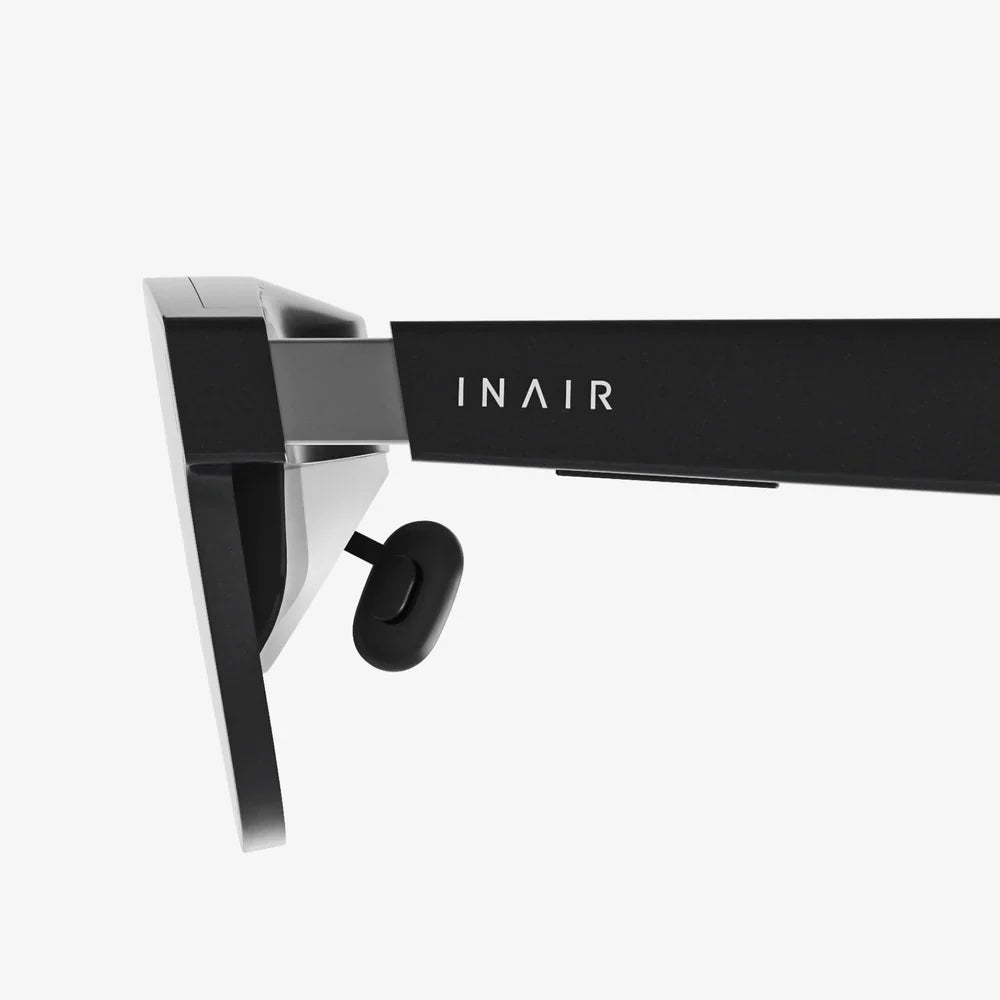
Imagine a world where your watch doesn't just tell time, it tells you about yourself; where your glasses don't just correct vision, they augment your reality; where a ring on your finger can speak volumes about your heart's deepest secrets. This is not a glimpse into a distant sci-fi future—it is the palpable present, and the silent, powerful engine making it all possible is the wearable app. These sophisticated pieces of software are the crucial bridge between inert hardware and life-altering insights, transforming raw data into a narrative of you. They are the invisible hand guiding our journey towards optimized health, seamless connectivity, and a fundamentally new way of interacting with the world around us. The true revolution isn't on your wrist; it's in the code that brings it to life.
The Silent Symphony: From Sensor to Screen
At its core, a wearable app is a masterful conductor of a complex symphony of data. It begins with a suite of miniature sensors—accelerometers, gyroscopes, optical heart rate monitors, GPS modules, and more—constantly humming with activity, each capturing a specific note of your physical existence. But this raw data is chaotic and meaningless on its own. It is the wearable app that steps in as the composer and interpreter.
The process is a marvel of modern engineering. The app's first task is data acquisition, establishing a stable and efficient connection with the device, often via Bluetooth, to gather the torrent of information. This data is then put through a rigorous cleaning process, filtering out 'noise'—the errant jostle mistaken for a step, the loose fit causing a flawed heart rate reading. Once cleansed, the real magic begins: data fusion. The app intelligently correlates information from multiple sensors. It combines step count from the accelerometer with distance from the GPS and heart rate from the optical sensor to paint a comprehensive picture of your workout's intensity and caloric burn, far more accurately than any single metric could.
Finally, this fused data is translated through complex algorithms into actionable insights. It's not just reporting that your heart rate is 120 BPM; it's interpreting that within the context of your activity, sleep history, and personal baselines to suggest you might be overtraining or fighting off an illness. This seamless journey from analog biological signal to a digestible, meaningful notification on your phone is the foundational magic of every successful wearable application.
Beyond Steps: The Expansive Ecosystem of Functionality
While fitness tracking put wearables on the map, the scope of wearable apps has exploded into a diverse and powerful ecosystem, catering to nearly every facet of human life.
The Health and Wellness Vanguard
This remains the most profound application. Wearable apps have evolved from simple pedometers to sophisticated health guardians. They now offer:
- Advanced Biometric Monitoring: Continuous heart rate tracking, blood oxygen saturation (SpO2) monitoring, electrocardiogram (ECG) readings, and even skin temperature variation analysis.
- Sleep Science: Detailed sleep stage breakdown (light, deep, REM), sleep score calculation, and smart wake-up alarms that rouse you at the optimal point in your sleep cycle.
- Personalized Coaching: Apps that learn your habits and provide tailored workout plans, mindfulness sessions, and nutritional guidance, acting as a personal trainer and therapist on your wrist.
- Medical Integration: The most critical frontier, where apps can help manage chronic conditions like diabetes by tracking glucose trends, or detect potential medical events like atrial fibrillation (AFib) and share reports directly with healthcare providers.
The Connected Life Conductor
Wearable apps are becoming the remote control for our digital lives. They provide glanceable notifications, allowing users to triage emails, messages, and calls without ever reaching for their phone. They control smart home devices—adjusting thermostats, turning off lights, or queuing up music on connected speakers with a simple voice command or tap. They facilitate contactless payments, turning a wearable device into a digital wallet. This seamless integration is making technology more ambient and less intrusive.
The Augmented and Virtual Frontier
For augmented reality (AR) and virtual reality (VR) wearables, the app is the entire experience. These apps overlay digital information onto the physical world, providing step-by-step navigation arrows on city streets, displaying informational pop-ups about landmarks, or enabling immersive training simulations for professionals. They are building a new layer of interactive reality, all powered by their underlying applications.
The Architect's Blueprint: Key Considerations for Development
Creating a successful wearable app is a unique challenge that requires a different mindset from traditional mobile development. It's a discipline of constraints and precision.
Designing for Micro-Moments
The user interface (UI) and user experience (UX) must be crafted for glances, not gazes. Screen real estate is extremely limited. Interactions are measured in seconds. Information must be presented in an immediately digestible format—clear, concise, and contextually relevant. Complications on a watch face, for instance, must show just the most crucial data: the next calendar event, the weather, or activity rings. Navigation should be simple, often relying on swipes and large, tappable targets rather than complex menus.
The Battery Life Imperative
Battery anxiety is the single biggest barrier to wearable adoption. Therefore, the app must be engineered for extreme efficiency. This involves optimizing code to minimize CPU wake locks, using efficient data synchronization protocols, and providing users with granular control over which features are active. An app that drains the device's battery in a few hours is a failed app, regardless of its features.
Seamless Synchronization
The companion smartphone app is not just an accessory; it's a vital part of the ecosystem. It serves as the hub for deeper data analysis, historical trend viewing, and detailed configuration. The synchronization between the wearable and the phone must be robust, reliable, and, again, efficient, often happening in the background without user intervention.
Platform Fragmentation
Developers must navigate the different operating systems and their capabilities. Each platform has its own design language, development kit, and hardware limitations. An app must be tailored to perform optimally within the specific constraints of its intended ecosystem.
Navigating the Storm: Challenges and Ethical Imperatives
The path forward for wearable apps is not without significant hurdles, particularly in the realms of privacy, security, and societal impact.
The Privacy Paradox
Wearables collect the most intimate data possible: biological, geographical, and behavioral. This creates a profound responsibility. Users must be able to trust that their data is secure and used ethically. Transparency is non-negotiable. Apps must have clear, understandable privacy policies that explain what data is collected, how it is used, and who it is shared with. The practice of selling sensitive health data to third parties, like data brokers or insurers, without explicit, informed consent is a major ethical breach that the industry must address.
Fortressing the Data
This treasure trove of personal data makes wearables a prime target for cyberattacks. A breach is not just about leaked emails; it could reveal a person's precise location, heart condition, or sleep patterns. Therefore, security cannot be an afterthought. Data must be encrypted both in transit and at rest, and strong user authentication methods should be employed.
The Accuracy Question
While these devices are powerful, most are classified as consumer wellness products, not medical devices. The accuracy of their readings, while continually improving, can vary. Developers have a responsibility to be clear about the limitations of their technology and to avoid making unsubstantiated medical claims. Over-reliance on potentially inaccurate data could lead to misinformed health decisions.
Digital Divide and Algorithmic Bias
As these apps become more central to health management, there's a risk of exacerbating health disparities. Those who cannot afford the technology may miss out on its benefits. Furthermore, if the algorithms are trained on non-diverse datasets, their recommendations and insights may be less accurate or even harmful for underrepresented populations.
The Next Wave: The Future Powered by Wearable Apps
The evolution is accelerating, moving towards even deeper integration and intelligence. The next generation of wearable apps will be defined by several key trends.
Artificial Intelligence and Predictive Health: AI and machine learning will move apps from descriptive analytics (“you slept poorly”) to predictive and prescriptive insights (“based on your elevated resting heart rate and low sleep quality, you are 70% more likely to get a cold; here is a recommended regimen to boost your immune system”).
True Non-Invasive Monitoring: Research is ongoing into sensors that can continuously and non-invasively monitor blood glucose, blood pressure, and even detect early signs of cancer. The apps that interpret this data will be revolutionary for preventive medicine.
Brain-Computer Interfaces (BCI): Emerging technology aims to read neural signals, allowing apps to control devices with thought, restore function to paralyzed individuals, or monitor for neurological conditions like seizures before they happen.
Hyper-Personalization: Apps will cease to offer one-size-fits-all advice. They will learn individual patterns down to a molecular level, offering nutrition, exercise, and mental health advice uniquely tailored to one person's biology and goals.
Decentralized Identity and Data Sovereignty: Blockchain-based technologies could empower users to own their health data outright, choosing to grant temporary, auditable access to apps or doctors, turning the current data ownership model on its head.
We are standing at the precipice of a new era, one where the line between biology and technology continues to blur. The wearable device is the hardware of this revolution, but the application is its soul and its mind. It is the software that transforms a gadget into a guardian, a tracker into a trusted advisor. The choices made by developers, companies, and regulators today will shape this future, determining whether these powerful tools become instruments of empowerment or sources of exploitation. One thing is certain: the humble wearable app is far more than a simple program—it is the lens through which we are beginning to see, understand, and ultimately, enhance our very humanity.
Share:
Glasses for Smartphone: The Ultimate Guide to Protecting Your Eyes in the Digital Age
What Is Best VR System - A Deep Dive Into Finding Your Perfect Virtual Reality