


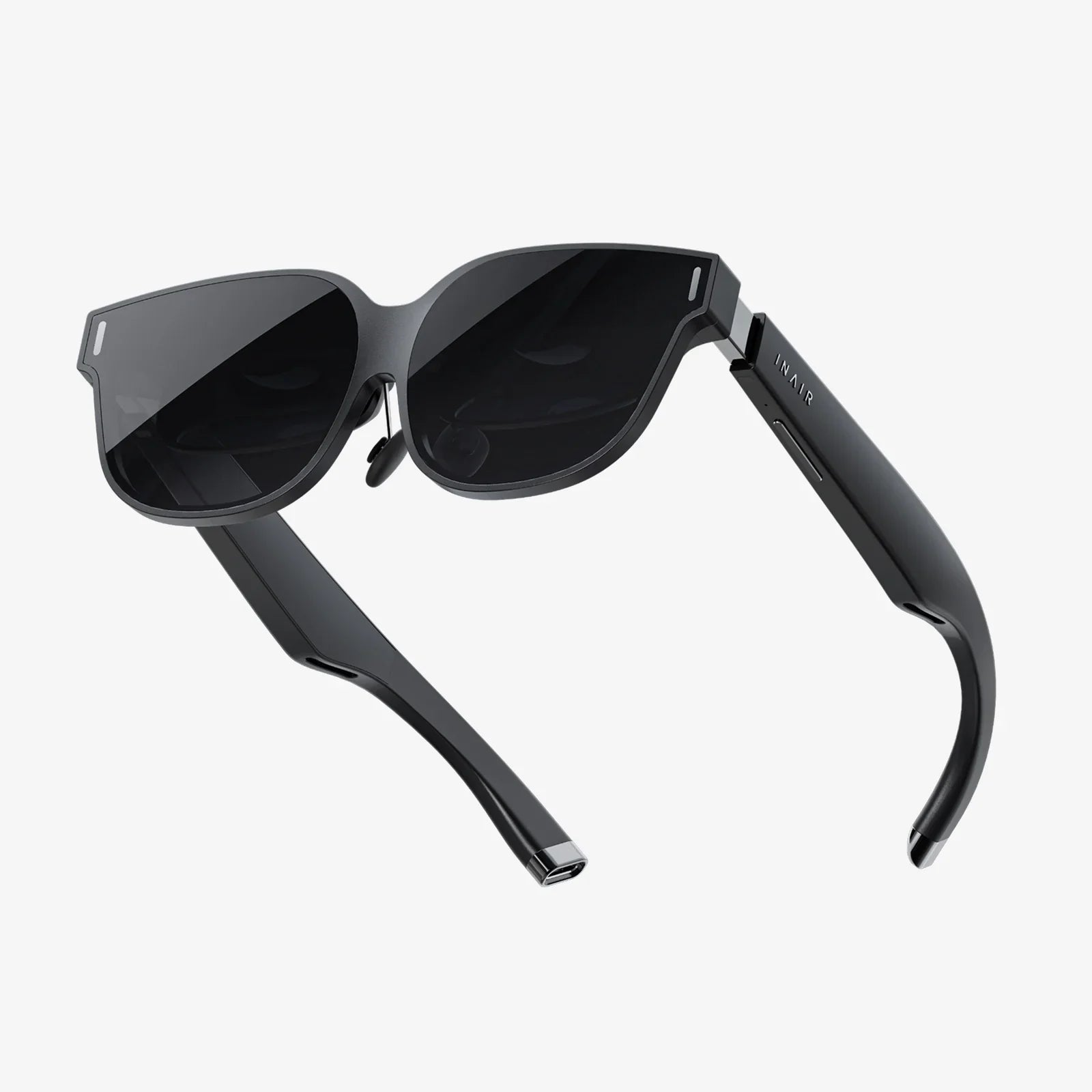
Imagine a world where your technology doesn't live in your pocket but moves with you, understands you, and anticipates your needs—this is the promise and the rapidly unfolding reality of the wearable computing device.
From Science Fiction to Wrist-Worn Reality
The concept of wearable technology is far from new. For decades, it lived primarily in the realm of science fiction, depicted in comics and films as the ultimate tool for futuristic heroes. The journey from fantasy to mainstream adoption, however, has been a fascinating evolution of miniaturization, connectivity, and user-centric design. The earliest practical iterations were cumbersome, designed for highly specialized industrial or military applications. The true catalyst for the modern era was the smartphone revolution, which perfected the core components—miniature sensors, low-power processors, and ubiquitous wireless connectivity—that could be reimagined for the human body. This convergence of enabling technologies allowed the wearable computing device to shed its clunky prototype phase and emerge as a sleek, consumer-ready product category poised to redefine our relationship with technology.
Beyond the Wrist: A Taxonomy of Wearables
While smartwatches and fitness bands are the most visible forms of wearable computing, the ecosystem is vast and diversifying rapidly. We can categorize these devices based on their form factor and primary point of interaction with the user.
Wrist-Worn Devices
This category represents the dominant force in the market. These devices act as an extension of the smartphone, providing glanceable notifications, health tracking, and communication capabilities. Their success lies in their convenient location, making interaction intuitive and constant.
Smart Eyewear
Perhaps the most ambitious category, smart glasses aim to overlay digital information onto the physical world. This technology, known as augmented reality (AR), has the potential to be profoundly transformative. Imagine seeing navigation arrows painted onto the street in front of you, having a digital recipe hover beside your mixing bowl, or viewing a translator's subtitles in real-time during a conversation with someone speaking another language. The challenge has been creating a design that is socially acceptable, comfortable, and powerful enough to handle complex computing tasks without overheating or compromising battery life.
Hearables
Starting with simple wireless headphones, this category has evolved into sophisticated hearables equipped with sensors and intelligence. Modern devices offer active noise cancellation, real-time language translation, biometric monitoring like heart rate tracking through the ear, and immersive spatial audio. They are becoming a primary portal for voice-assisted computing and auditory information.
Smart Clothing and Textiles
This involves integrating sensors and connectivity directly into the fabric of our garments. From athletic shirts that monitor muscle effort and form to socks that track running gait, smart clothing offers unparalleled, unobtrusive biomonitoring. The ultimate goal is to make the technology disappear entirely, woven into the very clothes we wear every day.
Specialized Medical and Industrial Devices
Beyond consumer gadgets, wearables have made significant strides in professional fields. Continuous glucose monitors for diabetics, smart patches that track vital signs and deliver medication, and exoskeletons that augment strength for factory workers or aid in rehabilitation are all powerful examples of wearable computing solving critical, real-world problems.
The Engine Room: Core Technologies Powering the Revolution
The seamless experience of a modern wearable is made possible by a symphony of advanced technologies working in concert.
Miniaturized Sensors
The heart of any wearable is its sensor suite. Accelerometers and gyroscopes track movement. Optical heart rate sensors use light to measure blood flow. Bioimpedance sensors can estimate body composition. Advanced models include electrocardiogram (ECG) sensors, blood oxygen monitors, skin temperature sensors, and even sophisticated sleep stage tracking through movement and heart rate variability. This constant stream of biometric data creates a rich digital portrait of the user's health and activity.
Low-Power Processing and Edge AI
Processing all this sensor data in a device with a tiny battery requires incredibly efficient chipsets. Furthermore, a paradigm shift is occurring from simply collecting data to processing it on the device itself—a concept known as edge computing. Tiny, optimized algorithms powered by artificial intelligence (AI) can now analyze heart rhythm for irregularities, detect falls, or understand specific workout types directly on the wearable. This reduces latency, preserves battery life by not constantly streaming data to the cloud, and enhances user privacy.
Advanced Connectivity
While Bluetooth remains the workhorse for connecting to a smartphone, newer wearables are incorporating cellular connectivity (eSIM), allowing them to operate independently. Wi-Fi, GPS, and NFC for contactless payments are also standard features, ensuring the device is always connected to the wider digital world.
Battery and Power Management
Battery technology remains one of the most significant constraints. Engineers combat this through ultra-low-power displays, aggressive power management software, and innovative charging solutions like magnetic inductive charging and solar charging bands. The quest for longer battery life, or even energy harvesting, is a primary focus of research and development.
Transforming Lives: The Tangible Impact of Wearables
The value of these devices is not in their technological specs but in the tangible impact they have on users' lives.
The Quantified Self and Proactive Health
This is arguably the most profound impact. Wearables have democratized health data, moving us from a reactive healthcare model to a proactive one. Individuals can now track their resting heart rate, sleep quality, activity levels, and more. This data empowers people to make informed lifestyle changes, provides invaluable longitudinal data for doctors, and has even saved lives by detecting previously unknown atrial fibrillation or alerting to serious falls.
Enhanced Productivity and Connectivity
On a daily basis, wearables create a more efficient and less intrusive digital experience. Glancing at a wrist to triage a notification is far less disruptive than pulling out a phone. Setting reminders, controlling smart home devices, or making contactless payments with a flick of the wrist streamlines mundane tasks, freeing up mental space and time.
Safety and Security
Features like emergency SOS, fall detection, and location sharing offer wearers and their families a greater sense of security. For adventurers, features like backtrack navigation and storm alerts can provide critical safety information in remote locations.
Navigating the Challenges: The Road Ahead
Despite the incredible progress, the path forward for wearable computing is not without significant hurdles that must be addressed.
The Privacy Paradox
Wearables collect the most intimate data possible: continuous, real-time information about your body, location, and habits. This creates a massive responsibility for data security and user privacy. Questions abound: Who owns this data? How is it being used or sold? Could it be used for insurance premium calculations or by employers? Establishing robust, transparent, and ethical data governance frameworks is paramount for sustaining user trust.
Battery Life and Sustainability
The desire for more features clashes with the physical limitations of battery chemistry. The environmental impact of producing, charging, and eventually discarding millions of these devices is also a growing concern. The industry must prioritize repairability, recycling programs, and the development of more sustainable materials and longer-lasting products.
Avoiding Digital Overload
There is a very real risk of these devices, designed to simplify our lives, instead contributing to digital burnout and constant connectivity. The nudge of a notification can become a source of anxiety. Future success will depend on designing for digital wellbeing—creating features that encourage users to be present, to move, and to disconnect, using technology as a tool for a better life rather than letting it dominate their attention.
Regulatory and Accuracy Hurdles
As wearables make more health claims, they are increasingly facing scrutiny from medical regulators. Ensuring that health sensors are not just precise but also accurate and clinically validated is a complex and necessary challenge. The line between a general wellness device and a regulated medical device is becoming increasingly blurred.
The Future is on Your Body: What Comes Next?
The next decade will see wearable computing become even more integrated, intelligent, and invisible. We are moving towards a paradigm of ambient computing, where technology recedes into the background of our lives, responding to our needs without requiring constant conscious interaction. We can expect advancements in flexible and stretchable electronics that conform to the body, brain-computer interfaces for controlling devices with thought, and even smart implants. The convergence of AI and wearables will create truly predictive personal assistants that understand our context and physiology better than we do ourselves, offering insights and suggestions that are profoundly personalized.
The era of checking a device is fading; the era of being continuously and beneficially connected to a digital layer of intelligence, worn comfortably on our bodies, is just beginning. The next time you glance at your wrist or put in an earbud, remember—you're not just wearing a gadget; you're wearing a window into the future of human-computer symbiosis.
Share:
AR Search The Next Frontier in Digital Discovery and How It Will Change Everything
Why Does My VR Screen Keep Going Black? Troubleshooting the Digital Void