


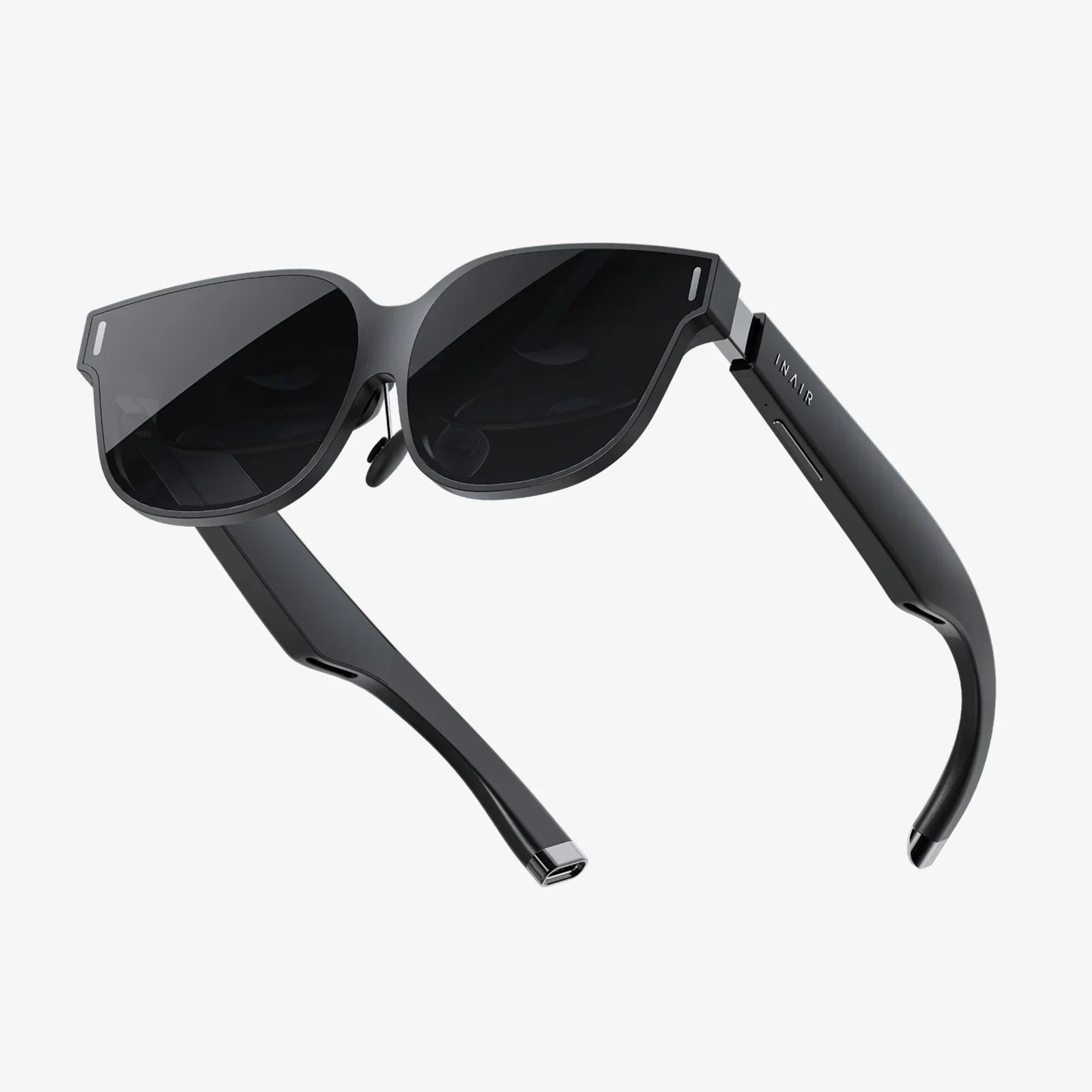
Imagine a device that knows your every heartbeat, tracks your location from dawn to dusk, listens to your conversations, and even monitors your sleep—now imagine that device, and the vast network of data it feeds, being wide open to attackers. This isn't a dystopian fantasy; it's the stark reality of wearable device security, a digital frontier where convenience is rapidly outpacing protection, leaving a trove of our most intimate data perilously exposed.
The Expanding Universe of Wearables and Their Data Goldmine
The term "wearable" has evolved far beyond simple step counters. Today's ecosystem is a vast constellation of interconnected devices: advanced health monitors with medical-grade sensors, smartwatches that act as phone and wallet replacements, fitness trackers mapping our biometrics, smart glasses capturing first-person video, and even smart textiles woven into clothing. This proliferation signifies a fundamental shift in human-computer interaction, moving technology from our pockets directly onto our bodies, making it more intimate and, consequently, more dangerous if compromised.
Each of these devices is a data generation powerhouse. They continuously collect a symphony of personal information:
- Biometric Data: Heart rate, heart rate variability, blood oxygen levels, electrodermal activity, skin temperature, sleep patterns, and even electrocardiogram (ECG) readings.
- Location and Movement Data: Precise GPS tracks, step count, elevation gained, workout routes, and real-time location.
- Personal and Behavioral Data: Calendar appointments, message notifications, email previews, music preferences, and voice assistant interactions.
- Audio and Visual Data: Microphones for voice commands and, in some cases, cameras for photos or video calls.
Individually, these data points are insightful. Aggregated over time, they form a profoundly detailed digital twin of a person—a comprehensive profile of your health, habits, routines, and social interactions. This concentration of sensitive data makes wearables a prime target for malicious actors.
Deconstructing the Attack Surface: Where Vulnerabilities Lie
The security of a wearable device is not determined by the device alone. It exists within a complex chain, and each link presents a potential point of failure. The attack surface is multifaceted and often underestimated.
1. The Device Itself: Hardware and Firmware
The physical hardware and its embedded software (firmware) are the first line of defense, and they are often the weakest. To achieve small form factors and long battery life, manufacturers may prioritize performance and efficiency over security.
- Insecure Sensors: Sensors feeding data to the main processor may lack encryption, allowing interception and spoofing. An attacker could feed false heart rate data to trigger incorrect health alerts.
- Lack of Secure Boot: Without secure boot processes, malicious firmware can be installed, giving an attacker complete control over the device's functions.
- Physical Tampering: Devices lost or stolen can be disassembled to extract data directly from memory chips if not properly encrypted at the hardware level.
2. The Communication Links: Bluetooth and Wi-Fi
Wearables are not islands; they constantly communicate, primarily via Bluetooth Low Energy (BLE) to a paired smartphone, and sometimes via Wi-Fi directly to the cloud. These wireless protocols are major vulnerability points.
- BLE Authentication Flaws: Weak pairing protocols (e.g., using simple 4-digit PINs) can allow attackers to eavesdrop on the connection or perform man-in-the-middle attacks, intercepting all data flowing between the watch and the phone.
- Unencrypted Data Transmission: Some cheaper devices still transmit data without encryption, meaning anyone with a simple radio scanner can capture your live health stats and location.
- Wi-Fi Vulnerabilities: Devices that connect directly to Wi-Fi are susceptible to all the classic network attacks if they don't use strong encryption (WPA3) and keep their network stacks updated.
3. The Companion Smartphone App
The app acts as a gateway. It has extensive permissions to access the device's data and, crucially, the data on your phone. A vulnerable app is a catastrophic single point of failure.
- Poor Code Practices: Apps suffering from code injection vulnerabilities, insecure data storage (storing sensitive data in plain text), or insufficient sandboxing can be compromised, giving attackers access to the wearable's data stream and the phone's contents.
- Overprivileged Permissions: Many apps request access to phone features far beyond what they need to function, unnecessarily expanding the attack surface.
4. The Cloud Backend and Data Storage
This is where the historical treasure trove of your data resides. The security of cloud servers, APIs, and databases is paramount. Breaches here are not about attacking one individual but millions at once.
- API Vulnerabilities: Insecure APIs that facilitate communication between the app and the cloud can be exploited to dump entire databases or inject malicious data.
- Insufficient Data Encryption: Data should be encrypted both in transit (using TLS) and at rest. Failures in either area can lead to massive data leaks.
- Third-Party Data Sharing: Many companies share aggregated, or sometimes even individualized, data with third parties for "research" or "advertising," further diluting control and increasing the risk of exposure.
The Threat Landscape: From Nuisance to Nation-State
The motivations behind attacking wearables are as varied as the vulnerabilities themselves, ranging from petty crime to sophisticated espionage.
- Data Theft and Identity Fraud: Stolen health and location data can be used for blackmail, targeted phishing campaigns (e.g., "We know you have a heart condition, pay this fee for a fake treatment"), or sold on dark web marketplaces. This data can also be used to build more convincing fake identities.
- Corporate Espionage: Executives' wearables could be targeted to track their movements, infer meeting locations and durations, and gain insight into their stress levels during sensitive negotiations.
- Physical Stalking and Theft: Real-time location data can be used to track a victim's movements for physical stalking or to know when they are away from home to facilitate burglary.
- Ransomware and Extortion: Imagine a threat actor locking your smartwatch and threatening to publish your entire sleep, heart rate, and location history unless a ransom is paid. This is a growing and terrifying possibility.
- Attack Vector Expansion: A compromised wearable can be used as a foothold to attack the paired smartphone, and from there, jump to corporate networks in a Bring-Your-Own-Device (BYOD) scenario, making it a gateway for large-scale network breaches.
- Reputation Damage and Manipulation: Altering fitness data could be used to falsely disqualify an athlete or discredit a public figure by fabricating evidence of poor health or infidelity based on location spoofing.
Forging a Path to Better Security: A Shared Responsibility
Securing the wearable ecosystem cannot fall on one party alone. It requires a concerted effort from manufacturers, regulators, organizations, and individual users.
For Manufacturers: Building Security In, Not Bolting It On
- Privacy by Design and Default: Security cannot be an afterthought. It must be integrated into the product design phase. Data collection should be minimized, and users should be given clear, granular controls over what is collected and shared.
- Robust Encryption: Implement end-to-end encryption for all data, both on the device and in transit. Hardware-based encryption keys are vastly superior to software-based ones.
- Transparent and Timely Updates: Establish a clear and public policy for providing regular security patches and firmware updates throughout the device's lifespan. A two-year update policy is insufficient for a device that may be used for five.
- Strong Authentication: Move beyond simple PINs. Implement more secure BLE pairing methods and support multi-factor authentication for associated cloud accounts.
For Regulators: Setting the Bar Higher
- Extending Regulations: Medical devices are heavily regulated, but general wellness wearables often fall into a gray area. Regulations like the EU's Cyber Resilience Act are a step in the right direction, mandating security throughout a product's lifecycle.
- Enforcing Transparency: Mandating clear, understandable security and privacy labels on packaging would empower consumers to make informed choices, much like nutritional labels on food.
For Organizations: Managing the Invisible IT Threat
- Updated BYOD Policies: Modern BYOD policies must explicitly address wearables. They should define acceptable use, mandate certain security settings (e.g., automatic updates enabled), and potentially segment network access for devices that have a wearable paired to them.
- Employee Education: Train employees on the risks associated with wearables, especially those that handle sensitive information. Teach them how to configure their devices securely and recognize potential threats.
For Individuals: Taking Control of Your Digital Self
While systemic change is crucial, users are not powerless. Adopting simple, proactive habits can dramatically reduce personal risk.
- Scrutinize Before You Buy: Research a device's security reputation. Does the manufacturer have a history of providing updates? What data does it collect, and is it encrypted?
- Minimize Permissions: During setup, deny the companion app permissions it doesn't absolutely need. Does a fitness app really need access to your contacts?
- Update Relentlessly: Enable automatic updates for both the wearable's firmware and the companion app. These updates often contain critical security patches.
- Secure Your Connections: Only pair your device with trusted smartphones. Avoid using public Wi-Fi networks for syncing data if possible.
- Practice Basic Cyber Hygiene: Use strong, unique passwords for the associated cloud account. Enable two-factor authentication (2FA) if available. Be cautious about which third-party apps you connect to your wearable's data.
- Disable When Not in Use: Turn off features like Bluetooth and Wi-Fi when you don't need them. This simple act shrinks your attack surface.
- Wipe Before Disposal: If you sell or discard an old wearable, perform a full factory reset to erase all your personal data.
The sleek device on your wrist is more than a convenience; it's a window into your life, a guardian of your health, and a potential entry point for those who wish you harm. The responsibility to secure it is a shared journey—one that begins with awareness, is fortified by demanding better from the companies we buy from, and is ultimately secured by the daily choices we make. The goal is not to abandon these remarkable tools of progress, but to evolve alongside them, ensuring that our trust is never betrayed and our most personal data remains truly our own.
Share:
One Negative of Telecommuting and Virtual Offices: The Erosion of Spontaneous Collaboration and Innovation
Augmented Reality Glasses Purchase: The Ultimate Guide to Navigating the Future on Your Face