


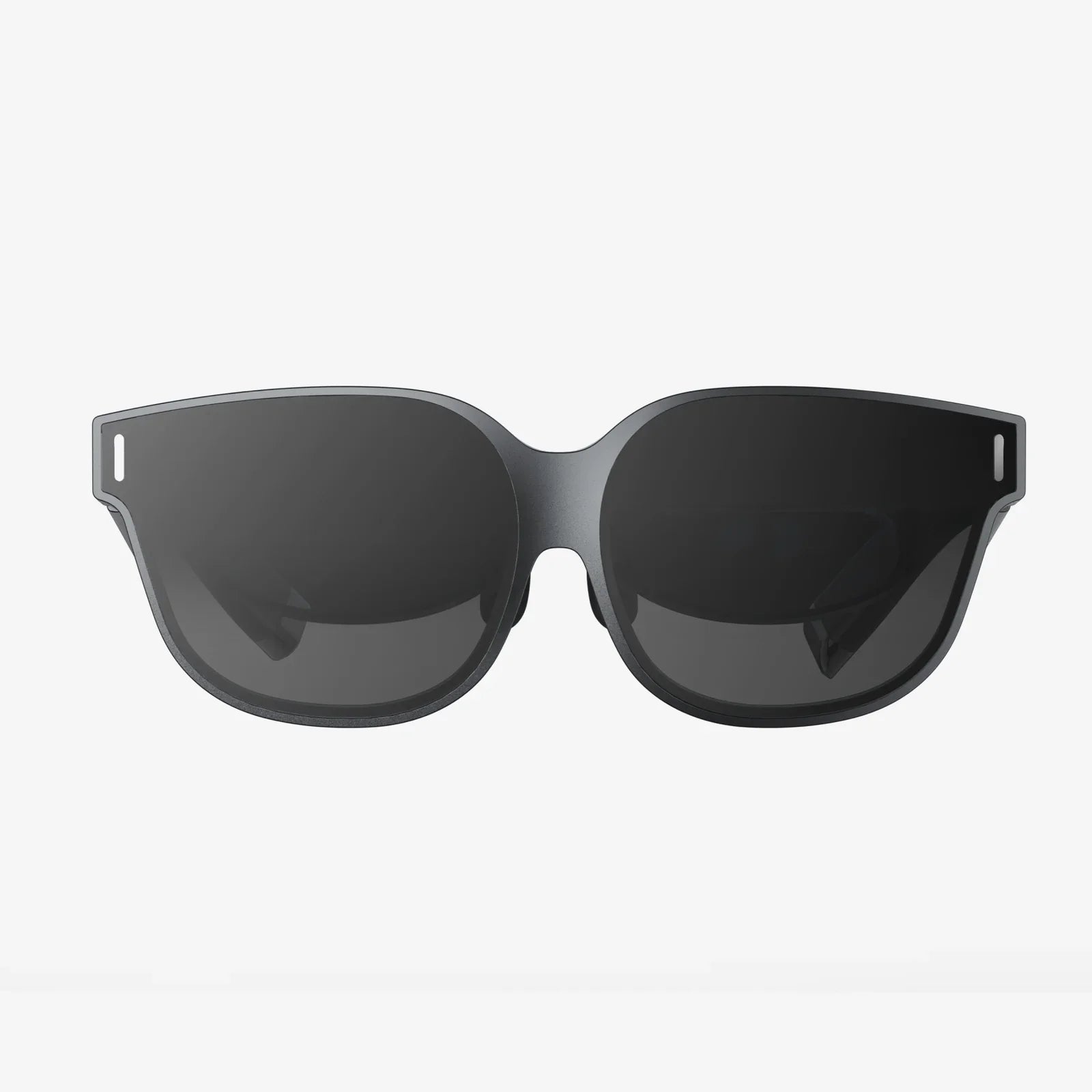
Imagine a world where your watch not only tells time but also warns you of an impending health issue, your glasses translate foreign street signs in real-time, and your clothing monitors your posture to prevent injury. This is not a glimpse into a distant science fiction future; it is the reality being woven into the fabric of our present by the rapid and relentless advancement of wearable devices technology. From the wrist to the waist, from the ear to the eye, a silent revolution is underway, transforming passive accessories into active partners in our health, productivity, and social connectivity. This technological integration promises a future of unprecedented personal insight and convenience, but it also demands a crucial conversation about the data we share and the new boundaries we must establish.
The Historical Thread: From Abacus Rings to AI Companions
The human desire to augment our capabilities with portable technology is far from new. While the modern smartwatch feels like a recent innovation, its conceptual roots stretch back centuries. One could argue that the first wearable technology was the abacus ring, used in ancient China for calculations. Pocket watches, invented in the 16th century, miniaturized timekeeping, moving it from the public clock tower to the private individual. The 20th century saw more direct precursors: calculator watches became a geek status symbol in the 1980s, and the first wireless hands-free headsets began to change how we communicated.
However, the true catalyst for the modern era was the miniaturization of computing. The development of increasingly powerful, smaller, and more energy-efficient microprocessors, sensors, and batteries created the perfect storm. The launch of early fitness trackers in the 2000s, which primarily counted steps using basic accelerometers, marked the beginning of the mainstream movement. They introduced the masses to the concept of quantified self—using technology to collect data on one's own habits, physiology, and behaviors. This was the foundational step. The subsequent convergence with the smartphone ecosystem, enabling seamless data syncing and analysis, turned these niche gadgets into essential everyday tools, setting the stage for the sophisticated, multi-functional devices we see today.
Deconstructing the Wrist: Core Technologies Powering Wearables
At their core, modern wearable devices are marvels of engineering, packing a suite of advanced technologies into incredibly small form factors. Understanding these components is key to appreciating their capabilities and limitations.
Sensors: The Digital Nervous System
Sensors are the fundamental building blocks, acting as the device's eyes and ears to perceive the world and the user. The sophistication of these sensors has grown exponentially.
- Inertial Measurement Units (IMUs): Combining accelerometers and gyroscopes, these are the workhorses for tracking movement. They detect orientation, acceleration, and rotation, enabling everything from step counting to identifying specific exercises like swimming strokes or yoga poses.
- Optical Photoplethysmography (PPG) Sensors: This is the technology behind heart rate monitoring. By shining green LED light onto the skin and measuring the amount of light reflected back (which varies with blood volume changes in the capillaries), the sensor can calculate pulse rate. Advanced PPG sensors can also estimate blood oxygen saturation (SpO2) and are being developed for blood pressure monitoring and glucose level estimation.
- Global Navigation Satellite System (GNSS): Integrated GPS allows for precise outdoor location tracking, mapping routes for runs and cycles without requiring a paired smartphone.
- Bioelectrical Impedance Analysis (BIA) Sensors: Used in some advanced devices and smart scales, they send a tiny, imperceptible electrical current through the body to estimate body composition metrics like body fat percentage and muscle mass.
- Electrocardiogram (ECG or EKG) Sensors: By requiring the user to touch the device's bezel to create a closed circuit, these medical-grade sensors can measure the heart's electrical activity to detect atrial fibrillation (AFib) and other irregularities.
- Microphones and Speakers: Essential for voice assistants, call functionality, and advanced features like noise cancellation and ambient sound amplification in hearing aid-style devices.
Connectivity: The Circulatory System
Data is useless in isolation. Wearables rely on a suite of wireless protocols to transmit information to our phones, the cloud, and other devices.
- Bluetooth Low Energy (BLE): The standard for connecting to a smartphone. It's designed for short-range communication with minimal power consumption, enabling all-day syncing without draining the battery of either device.
- Wi-Fi: Some devices can connect directly to Wi-Fi networks, allowing for software updates and data syncing even when away from the paired phone.
- Near-Field Communication (NFC): Enables contactless payments, turning a wearable into a digital wallet.
- Cellular Connectivity: High-end devices now include eSIM technology, allowing them to make calls, stream music, and receive notifications independently of a smartphone, a feature prized by athletes and those seeking greater freedom.
Power and Processing: The Brain and Heart
Harnessing all this technology requires serious computational power and energy. This is the greatest challenge for wearable designers: balancing performance with battery life.
- Systems-on-a-Chip (SoC): These are highly integrated processors that combine the CPU, GPU, memory, and modem onto a single chip, saving crucial space and improving efficiency.
- Battery Technology: While lithium-ion batteries remain the standard, energy density improvements are slow. Innovation, therefore, focuses on power management software, low-power display technology (like Always-On Retina and AMOLED), and alternative charging methods like solar charging faces, kinetic energy harvesting, and even experimental charging through skin contact.
Beyond Fitness: The Expansive Ecosystem of Wearable Applications
While fitness tracking was the entry point, the application of wearable technology has exploded into nearly every facet of human life.
Healthcare and Clinical Medicine: The Proactive Paradigm
This is arguably the most transformative domain. Wearables are shifting healthcare from a reactive model (treating illness after it occurs) to a proactive and preventive one.
- Remote Patient Monitoring (RPM): Patients with chronic conditions like heart disease, diabetes, or hypertension can be continuously monitored outside the clinic. Devices can track vital signs, detect anomalies, and alert healthcare providers to potential issues before they become emergencies, reducing hospital readmissions and enabling older adults to live independently for longer.
- Clinical Research: Wearables provide researchers with vast, real-world, longitudinal data sets. This is invaluable for studying disease progression, measuring the effectiveness of treatments in a patient's natural environment, and running more efficient and inclusive clinical trials.
- Mental Health and Wellness: By tracking physiological markers of stress (like heart rate variability), sleep patterns, and activity levels, devices can nudge users toward healthier habits, suggest guided breathing exercises, and provide insights into the connection between their lifestyle and mental well-being.
- Assistive Technology: Wearables are empowering individuals with disabilities. Smart glasses can read text aloud for the visually impaired, while advanced hearing aids can stream audio directly and filter out background noise.
Enterprise and Industrial Productivity
In the workplace, wearables are enhancing safety, efficiency, and training.
- Hands-Free Operation: In warehouses, workers use smart glasses to see picking instructions without consulting a clipboard or handheld scanner, dramatically improving efficiency and accuracy. Field technicians can access manuals and schematics or video-call an expert for remote guidance while keeping their hands free to work.
- Safety Monitoring: For workers in high-risk environments like construction sites or oil rigs, wearables can monitor vitals for signs of heat stress or fatigue, detect falls, and ensure they are in safe zones.
The Social and Personal Sphere
On a personal level, wearables are becoming central to how we interact and experience the world.
- Seamless Notification Hub: They act as a filter for our digital lives, providing discreet glances of important information—calls, messages, appointments—without the need to constantly unlock a phone, helping to reduce digital distraction while staying connected.
- Contactless Payments and Access: A flick of the wrist can now pay for groceries, board a train, or unlock a car or front door, streamlining daily transactions.
- Immersive Experiences: Virtual and Augmented Reality headsets represent the next frontier, promising new worlds for entertainment, education, and remote collaboration, blurring the line between the physical and digital realms entirely.
The Double-Edged Sword: Challenges and Ethical Considerations
For all its promise, the rise of wearable technology is not without significant challenges and profound ethical questions that society must urgently address.
Data Privacy and Security: Your Life, Their Asset?
The most intimate details of our lives—our heart rhythms, sleep patterns, location history, and even fertility windows—are being collected continuously. This creates a treasure trove of data that is incredibly valuable and, consequently, a prime target for misuse.
- Ownership and Consent: Who truly owns this data? While users generate it, it is often stored and controlled by technology companies. Lengthy End User License Agreements (EULAs) are rarely read, meaning users often unknowingly consent to their data being aggregated, anonymized, and sold to third parties for advertising or research.
- Security Breaches: A hacked email is one thing; a hacked database containing the precise health data of millions is a catastrophe waiting to happen. This information could be used for discrimination by employers or insurers if it falls into the wrong hands.
- Surveillance Capitalism: There is a legitimate fear that the constant monitoring enabled by wearables could normalize a culture of surveillance, where every bodily function and movement is tracked and monetized.
Medical Validation and Regulatory Hurdles
When a device claims to measure a health metric, how do we know it's accurate? The line between a general wellness device and a medical device is blurry and heavily regulated.
- Algorithmic Bias: The algorithms that interpret sensor data are often trained on homogenous datasets (e.g., predominantly young, healthy, white males). This can lead to inaccurate readings for people with darker skin tones (a known issue with optical heart rate sensors), different body types, or older adults, potentially leading to misdiagnosis or missed warnings.
- The Placebo and Nocebo Effect: Constant health monitoring can induce anxiety in some users ("cyberchondria"), where every slight fluctuation in data is interpreted as a dire health warning. Conversely, reassurance from a device might lead others to ignore real symptoms that fall outside its monitoring parameters.
The Digital Divide and Socioeconomic Barriers
The potential of wearables to improve health outcomes risks creating a new health disparity. Those who can afford the latest technology gain access to a wealth of preventative insights, while those who cannot may be left further behind, exacerbating existing inequalities in healthcare access.
Gazing into the Crystal Ball: The Future We Are Wearing
The trajectory of wearable technology points toward even deeper integration, becoming less of a device we wear and more of a seamless extension of our own biology.
- Advanced Biomarkers: Non-invasive, continuous monitoring of glucose, cortisol (stress hormone), lactate, and alcohol levels is the holy grail. Success in these areas would be a paradigm shift for managing diabetes, mental health, and athletic performance.
- Brain-Computer Interfaces (BCIs): Moving beyond the body to interface directly with the brain. Companies are developing devices that could allow individuals with paralysis to control digital interfaces or robotic limbs with their thoughts, and eventually, could augment cognitive function for everyone.
- True Ambient Computing: Wearables will fade into the background, acting as an invisible intermediary between us and our environment. Your glasses will recognize people you meet and discreetly display their name, your earrings will translate conversations in real-time, and your clothing will adapt to temperature changes automatically.
- Material Science Innovation: The devices themselves will evolve. We will see more epidermal electronics (ultra-thin, skin-adherent patches), smart fabrics where the circuitry is woven directly into the textile, and biodegradable components to address electronic waste.
The true potential of wearable devices technology lies not in the gadgets themselves, but in the empowerment they offer. It's the empowerment to take control of your health with data-driven insights, to interact with the digital world without being chained to a screen, and to enhance your human capabilities in ways previously confined to imagination. This future is being built today, on our wrists and in our ears, a silent symphony of sensors and algorithms composing a new score for human existence. The question is no longer if we will adopt this technology, but how we will choose to wield its immense power, ensuring it serves to uplift humanity rather than divide it. The next chapter of our relationship with technology is being written not on our desks, but on our very skin.
Share:
VR at Best Buy: Your Ultimate Guide to Entering the Virtual World
3D Monitor Image Technology: A New Dimension in Visual Experience