


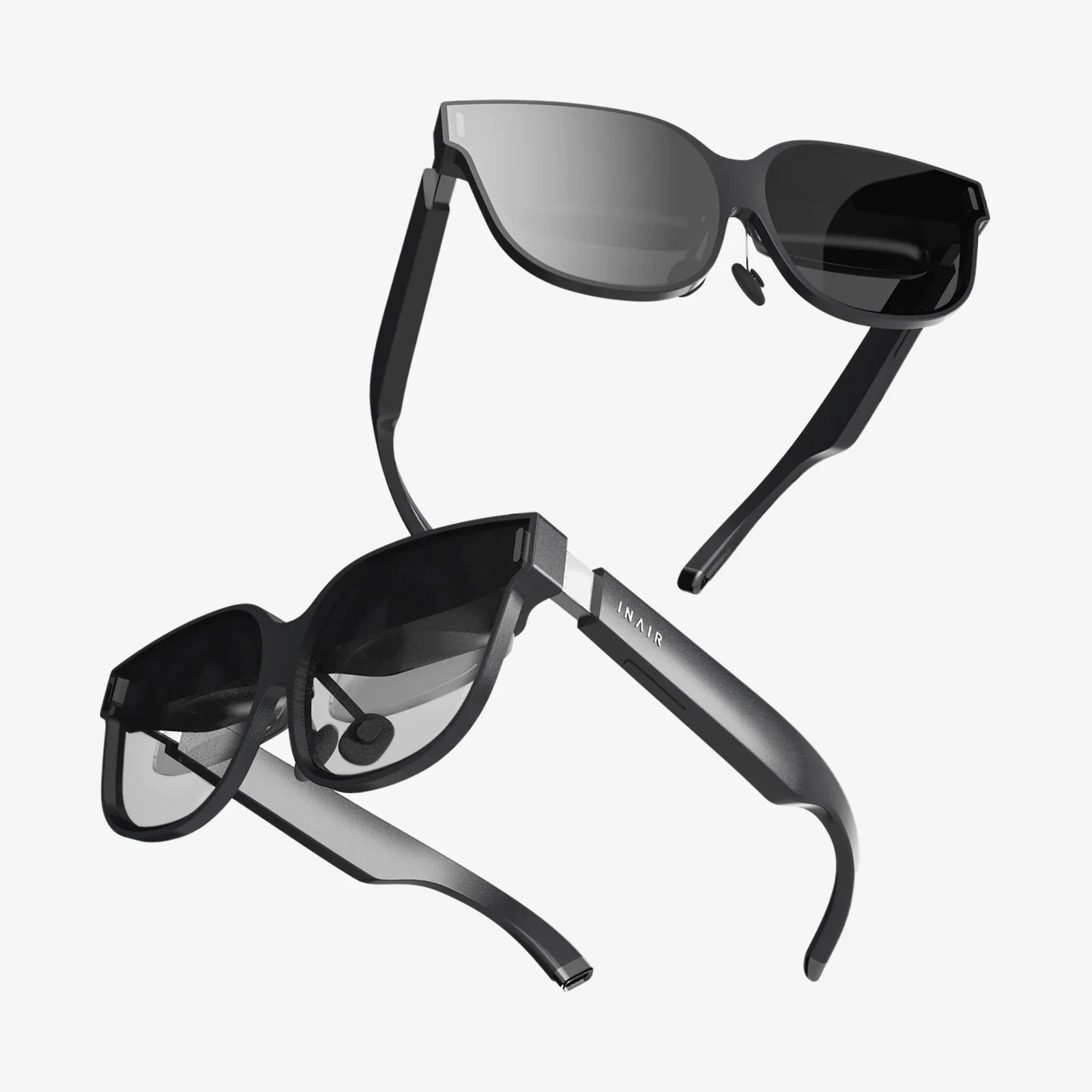
Imagine a world where your watch doesn't just tell you your heart rate is elevated—it understands why, connects you with a certified professional within minutes, and provides a personalized plan to address the root cause, all before your anxiety has a chance to spike. This is the promise of wearable service, a paradigm shift that is moving us beyond the cold hardware on our wrists and into a new era of anticipatory, integrated, and deeply personal care. The device is no longer the product; it has become the gateway to a continuous, life-enhancing service.
From Hardware to Holistic Ecosystems: Redefining the Value Proposition
The initial wave of wearable technology was overwhelmingly hardware-centric. The focus was on miniaturization, sensor accuracy, battery life, and sleek design. Consumers were sold on features: step counts, sleep stages, and notification mirrors. While impressive, this approach had a ceiling. A device could collect terabytes of data, but without context, interpretation, and actionable guidance, that data remained a curiosity—a digital mirror reflecting information without offering a clear path forward.
Wearable service flips this model on its head. The core product is no longer the physical tracker but the ongoing, subscription-based value it unlocks. This represents a fundamental evolution in business models, from a one-time transaction to a continuous relationship. The service layer is what transforms raw biometric data into meaningful insights, personalized coaching, and tangible health outcomes. It’s the difference between owning a scale and being enrolled in a comprehensive weight management program that integrates your weight, body composition, activity levels, and nutritional guidance into a cohesive, goal-oriented journey.
The Engine Room: Core Components of a Robust Wearable Service
A truly effective wearable service is built upon several interdependent pillars, each critical to delivering seamless and valuable user experiences.
Advanced Sensor Fusion and Data Acquisition
The foundation remains the hardware. Modern devices are equipped with a sophisticated array of sensors—optical heart rate monitors, accelerometers, gyroscopes, electrodermal activity sensors, skin temperature sensors, and even ECG apps. The service layer begins with the sophisticated algorithms that clean, synchronize, and fuse this multi-modal data stream to create a more accurate and holistic picture of the user’s state than any single metric could provide.
Cloud-Based Analytics and Artificial Intelligence
This is the brain of the operation. The colossal amounts of data generated by wearables are transmitted to secure cloud platforms where the heavy lifting occurs. Machine learning models trained on vast, anonymized datasets can identify patterns, establish personal baselines, and detect deviations that may signal health events, from atrial fibrillation to the onset of infection. AI moves the service from descriptive analytics ('you slept poorly') to predictive and prescriptive analytics ('based on your elevated resting heart rate and decreased HRV, you may be getting sick; consider resting and hydrating more today').
Personalized User Interfaces and Actionable Insights
Data is useless without clarity. A key service component is translating complex algorithmic outputs into simple, intuitive, and actionable feedback for the user. This goes beyond charts and graphs; it involves personalized notifications, gentle nudges, celebratory milestones, and clear explanations of what the data means for *them*. The interface becomes a health coach, available 24/7.
Integration and Interoperability: The Connective Tissue
The most powerful wearable services are not walled gardens. Their value multiplies when they can seamlessly integrate with other aspects of a user’s digital life. This includes syncing with electronic health records (EHRs) to provide clinicians with objective, real-world data, connecting with nutrition apps to correlate food intake with energy levels, or integrating with fitness platforms to tailor workout plans. Interoperability is the key to creating a unified, rather than fragmented, health and wellness profile.
Revolutionizing Healthcare: From Reactive to Proactive and Preventive
The most profound impact of wearable services is unfolding within the healthcare sector. They are instrumental in driving the industry's long-awaited shift from a reactive sick-care model to a proactive and preventive health-care system.
Remote Patient Monitoring and Chronic Disease Management
For patients with chronic conditions such as hypertension, diabetes, or congestive heart failure, wearable services offer a paradigm shift. Continuous monitoring allows for early intervention if metrics trend into dangerous territory, potentially preventing costly emergency room visits and hospitalizations. Physicians can monitor a patient's adherence to treatment plans and response to medication in real-time, making data-driven adjustments to therapy. This not only improves outcomes but also empowers patients to take a more active role in managing their health from the comfort of their homes.
Early Detection and Diagnostic Support
The ability to continuously monitor physiological parameters makes wearables powerful tools for early detection. There are numerous documented cases of wearables alerting users to undiagnosed heart conditions like atrial fibrillation. A service that packages this detection with a quick pathway to a telehealth consultation and, if needed, an order for a confirmatory clinical diagnostic tool, creates an incredibly powerful and potentially life-saving pipeline.
Mental Health and Wellness Support
The service paradigm is expanding beyond physical health. By analyzing metrics like heart rate variability, sleep patterns, and activity levels, wearables can provide insights into stress and anxiety levels. Paired with a service that offers guided breathing exercises, meditation sessions, or cognitive behavioral therapy techniques, they become a holistic tool for mental well-being, helping users identify stressors and develop healthier coping mechanisms.
Beyond Healthcare: Wearable Services in Daily Life
While healthcare is a primary application, the scope of wearable services extends far into various facets of everyday life.
Personalized Fitness and Athletic Performance
The fitness industry was an early adopter. Today's services do far more than count calories. They provide personalized workout recommendations based on recovery status (using HRV and sleep data), track performance trends over time to break through plateaus, and can even offer real-time form coaching using motion analysis. For elite athletes, this service is indispensable for optimizing training loads and minimizing injury risk.
Enterprise Wellness and Workplace Safety
Companies are implementing wearable service programs to enhance employee well-being, reduce healthcare costs, and improve safety. In industrial settings, wearables can monitor workers for signs of fatigue, heat stress, or falls, triggering immediate alerts to safety officers. In corporate environments, services can promote activity challenges, mindfulness, and healthier habits, fostering a more engaged and productive workforce.
Social Connectivity and Personalized Experiences
Services can leverage wearables to create new forms of social interaction, from sharing activity achievements with friends to creating location-based meetups. Furthermore, imagine a theme park where your wearable service guides you through shorter lines based on your real-time location or a museum tour that adapts its commentary based on which exhibits you've spent the most time viewing.
Navigating the Challenges: The Road Ahead for Wearable Services
For all their potential, the widespread adoption of sophisticated wearable services faces significant hurdles that must be addressed.
Data Privacy, Security, and Ownership
This is the paramount concern. Wearables collect the most intimate data imaginable. A robust service must be built on a foundation of radical transparency and ironclad security. Users must have clear control over their data, understanding exactly how it is used, who it is shared with, and for what purpose. Breaches of health data are among the most damaging, making advanced encryption and anonymization techniques non-negotiable. The ethical questions around who owns this data—the user, the service provider, or insurers—are still being debated and will require clear regulatory frameworks.
Scientific Validation and Regulatory Approval
Not all data and algorithms are created equal. For wearable services to be truly integrated into clinical care, their claims must be rigorously validated through peer-reviewed scientific studies. Regulatory bodies are scrambling to create pathways for the approval of these digital health technologies. Demonstrating clinical efficacy and ensuring algorithmic fairness across diverse populations is critical to building trust with both consumers and the medical community.
Bridging the Digital Divide and Ensuring Health Equity
There is a real risk that the benefits of wearable services will primarily accrue to the wealthy, tech-savvy, and already health-conscious, exacerbating existing health disparities. Access to expensive devices and monthly subscription fees can be prohibitive. For these services to fulfill their transformative potential, the industry and policymakers must innovate on affordability and develop inclusive models that serve vulnerable and aging populations.
The Interoperability Imperative
The lack of universal data standards remains a massive barrier. Until wearables and their services can effortlessly and securely communicate with electronic health records, provider databases, and other health apps, their utility will be limited. The push for standardization, led by both industry consortia and government mandates, is essential for breaking down these data silos.
The tiny computer on your wrist is quietly becoming the command center for your well-being, not by its own merit, but through the invisible, intelligent, and indispensable service it provides. This evolution promises a future where technology doesn't just track our lives but actively helps us live them longer, healthier, and more fully, making every data point a stepping stone to a better you.
Share:
Move Wearable: The Evolution of Technology That Moves With You
4K OLED Microdisplay Technology: The Future of Visual Immersion