


- by wangfred
Wearable Tech Market Growth: An Unstoppable Force Reshaping Our Daily Lives
- by wangfred
Imagine a world where your watch not only tells time but also saves it—by predicting a potential health crisis before it happens. Envision glasses that overlay digital information onto the physical world, transforming how you work, learn, and play. This is no longer the stuff of science fiction; it is the pulsating reality of the modern wearable tech market, an industry exploding with innovation and integration into the very fabric of our daily existence. The growth trajectory is not just a line on a graph; it's a testament to a fundamental shift in how we interact with technology and understand ourselves.
The remarkable expansion of the wearable tech market is not a random occurrence. It is the direct result of several powerful, converging forces that have created a perfect storm of demand, capability, and accessibility.
At the forefront of this revolution is the global prioritization of health and wellness. Modern consumers are increasingly proactive about their well-being, moving from reactive healthcare to continuous, preventative self-monitoring. Wearable devices have become the cornerstone of this movement. The ability to track heart rate continuously, monitor blood oxygen levels, analyze sleep patterns with sophisticated algorithms, and even perform an electrocardiogram (ECG) on demand has transformed personal health management. This data provides invaluable insights, empowering individuals to make informed lifestyle choices, and offers healthcare providers a richer, more continuous dataset than occasional check-ups could ever provide.
Wearables have evolved from standalone gadgets into integral nodes within a larger connected ecosystem. The modern smartphone acts as a hub, but the wearable is a more intimate, always-on portal to digital life. Instant notifications, contactless payments, music control, and smart home integration create a layer of effortless convenience that users quickly find indispensable. This seamless connectivity reduces friction in daily tasks, making the technology feel less like an added device and more like a natural extension of the self. The convenience factor is a powerful retention tool, ensuring that once users adopt a wearable, it becomes deeply embedded in their routine.
None of this would be possible without the breathtaking advances in micro-electronics and sensor technology. Processors have become exponentially more powerful while shrinking in size and drastically reducing their power consumption. Similarly, sophisticated sensors—from advanced accelerometers and gyroscopes to optical heart rate monitors and bioimpedance sensors—are now miniaturized to fit into sleek, wrist-worn devices. This technological leap has enabled the creation of powerful, feature-rich devices that are also comfortable, aesthetically pleasing, and capable of lasting for days on a single charge, removing significant barriers to adoption.
The market's growth is further accelerated by its increasing accessibility. While premium segments continue to innovate with cutting-edge features, a robust ecosystem of mid-range and budget-friendly devices has emerged. This diversification allows a much broader demographic to enter the wearable market, from fitness enthusiasts seeking basic activity tracking to price-conscious consumers looking for core smartwatch functionalities. This expansion down the price ladder has been instrumental in driving volume and making wearable tech a truly mainstream phenomenon.
While smartwatches and fitness bands dominate revenue and unit sales, the term 'wearable' is rapidly expanding to encompass a much wider array of devices, each finding its niche and driving growth in new segments.
Smartwatches represent the apex of the wearable market, combining comprehensive health tracking with robust connectivity and notification management. They have effectively become miniature smartphones for the wrist, offering GPS tracking, cellular connectivity, and a vast library of third-party applications. Their evolution into standalone health monitoring devices, capable of detecting falls, measuring atrial fibrillation, and tracking temperature changes, positions them as perhaps the most versatile and powerful category in the wearable space.
Fitness trackers, often worn on the wrist or clipped to clothing, remain a hugely popular entry point into the wearable ecosystem. They cater to a specific audience focused primarily on activity metrics—steps, distance, calories burned, and sleep quality. Their simpler functionality is often paired with longer battery life and a lower price point, making them perennial best-sellers and a key driver of market volume, particularly for first-time users.
This category, primarily consisting of wireless smart earbuds and headphones, is one of the fastest-growing segments. Modern hearables do far more than play music; they incorporate active noise cancellation (ANC), offer seamless voice assistant access, provide real-time language translation, and are increasingly incorporating health features like wellness prompts and fitness tracking. Their ubiquity and frequent replacement cycle make them a consistent and powerful growth engine.
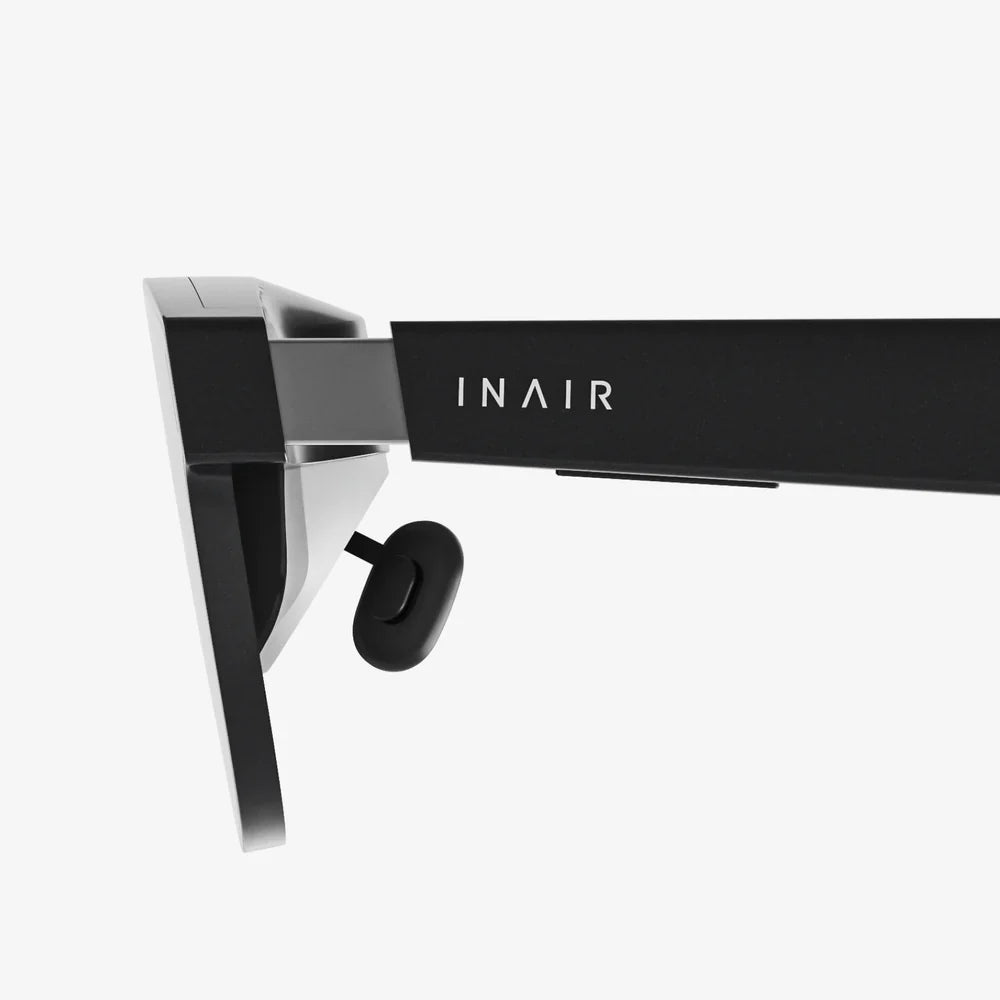
Looking ahead, growth is poised to come from even more integrated form factors. Smart apparel, such as shirts and socks embedded with biometric sensors, offers unparalleled comfort and continuous monitoring without the need for a separate device. Smart glasses, while still in earlier stages of consumer adoption, hold immense potential to unlock augmented reality (AR) for the masses, overlaying navigation, information, and communication onto the real world. These emerging categories represent the next wave of market expansion, moving technology from things we carry to things we wear.
Despite the optimistic outlook, the wearable tech market must navigate a complex landscape of challenges to ensure its growth is sustainable and responsible.
As devices collect increasingly intimate and continuous health and location data, concerns about privacy and security skyrocket. Who owns this data? How is it being used? Is it adequately protected from breaches? Manufacturers must implement transparent data policies, robust encryption methods, and give users clear, granular control over their information. A single major data scandal could erode consumer trust and trigger stringent regulations that stifle innovation. Building a foundation of trust through ethical data handling is not just good practice; it is essential for long-term survival.
The demand for more features and always-on connectivity directly conflicts with the desire for longer battery life. Consumers are frustrated by the need to charge their devices daily. While processor efficiency has improved, the addition of new, power-hungry features like always-on displays and cellular connectivity keeps battery life a primary pain point. Breakthroughs in battery technology, such as solid-state batteries or more efficient energy harvesting methods, are critical to unlocking the next stage of wearable development.
As the market matures, the risk of saturation increases. Incremental updates—slightly faster processors, marginally better sensors—may not be enough to convince existing users to upgrade or new users to buy in. The industry must focus on delivering genuinely meaningful innovation, whether through groundbreaking new health sensors (e.g., non-invasive blood glucose monitoring), transformative new form factors, or killer applications for AR that demonstrate clear, daily utility beyond novelty. Growth will depend on proving continuous, tangible value.
The future of wearable tech is not just about more of the same; it's about a deeper, more meaningful integration into medicine, society, and human capability.
We are moving swiftly toward an era of predictive health analytics. Devices will not just record data but will use artificial intelligence to interpret it, providing personalized alerts and recommendations to prevent illness. The integration with telemedicine will be profound, allowing doctors to monitor patients with chronic conditions remotely in real-time, revolutionizing care delivery and reducing costs.
Furthermore, the boundary between the physical and digital worlds will continue to blur. Smart glasses equipped with advanced AR will redefine fields from engineering and surgery to tourism and retail. Haptic feedback technology in wearables will add a new layer of tactile interaction to digital experiences. Ultimately, the successful wearable of the future will be one that disappears—not in function, but in form. It will be so seamlessly integrated into our clothing, our accessories, or even our bodies that its technological presence will be felt only through the profound benefits it delivers.
The numbers tell a story of impressive expansion, but the real narrative of wearable tech market growth is happening on the wrists, in the ears, and before the eyes of millions. It’s a story of technology becoming more personal, more proactive, and more powerful than ever before, quietly working in the background to enhance, improve, and even extend the human experience. This isn't just a market trend; it's the dawn of a more connected, healthier, and intuitively enhanced way of living.