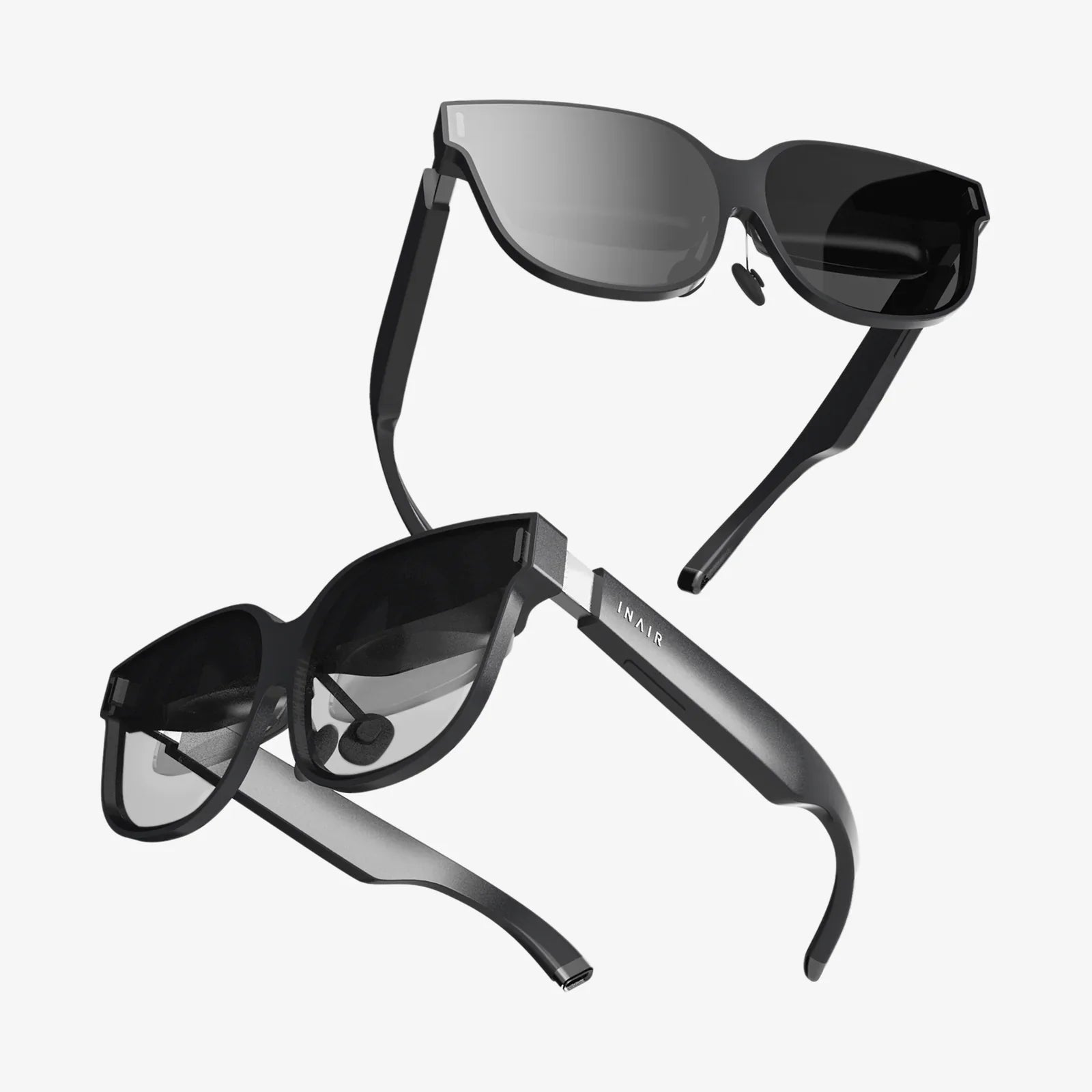
Imagine a world where your shirt monitors your cardiac health, your glasses translate foreign languages in real-time, and a discreet sensor on your skin manages a chronic condition without you ever needing to think about it. This is not a distant science fiction fantasy; it is the imminent future being forged by the most groundbreaking wearable technology ideas. The era of clunky wristbands and basic step counting is rapidly receding, giving way to a new paradigm of intimate, intelligent, and invisible technology designed to augment our human experience in profound and previously unimaginable ways. We are on the cusp of a revolution where the line between technology and the self becomes beautifully blurred, promising to enhance our health, expand our capabilities, and deepen our connection to the world around us.
The Evolution Beyond the Wrist: A New Form Factor Philosophy
The most significant shift in wearable technology ideas is the move away from the wrist as the default location. While smartwatches and fitness trackers will remain popular, innovation is flourishing across the entire human body, embracing a philosophy of seamless integration.
Smart Fabrics and E-Textiles: Weaving Technology into the Very Fabric of Life
Perhaps the most transformative area of development is in smart fabrics, also known as e-textiles. This involves integrating microelectronics, sensors, and connectivity directly into yarns and textiles. The applications are staggering:
-
Biometric Monitoring: Shirts and athletic wear with embedded electrodes can provide clinical-grade electrocardiogram (ECG) readings, measure respiratory rate, and analyze muscle activity during exercise, offering athletes and patients unparalleled insights into their physiology.
-
Adaptive Clothing: Imagine jackets that automatically adjust their insulation properties based on the external temperature and your body heat, or uniforms for firefighters that can detect dangerous toxins and alert the wearer.
-
Therapeutic Applications: Garments could deliver targeted micro-massages to aid recovery, use embedded heating elements for pain relief, or even employ gentle electrical stimulation to support muscle rehabilitation.
Discreet Patches and Epidermal Electronics: The Invisible Health Guardian
Taking minimalism to the extreme, the next wave of medical wearables will be virtually unnoticeable. These are thin, flexible, skin-like patches adorned with microscopic sensors that adhere to the skin like a temporary tattoo.
-
Continuous Health Tracking: These patches can monitor a vast array of biomarkers—glucose levels without drawing blood, hydration status, core body temperature, and even stress hormones like cortisol—streaming this data continuously to a healthcare provider or personal device.
-
Drug Delivery: Beyond sensing, these patches can act as smart drug delivery systems. They could administer insulin for diabetics, deliver precise doses of medication for neurological conditions, or provide on-demand pain relief based on real-time physiological feedback.
-
Post-Operative Care: After surgery, a discreet patch could monitor for signs of infection, track healing progress, and ensure a patient's vital signs remain stable from the comfort of their home, reducing hospital readmission rates.
Advanced Hearables: More Than Just Music
Earbuds are evolving into sophisticated hearables, powerful computers for the ear that do far more than play audio.
-
Augmented Auditory Reality: Advanced noise cancellation will evolve into intelligent soundscapes, where hearables can amplify a conversation partner's voice in a noisy room while suppressing background chatter, or translate spoken foreign languages in near-real-time directly into the ear.
-
Biometric Identification: The unique shape of the ear canal can serve as a secure biometric identifier for authenticating payments or unlocking devices.
-
Brain-Computer Interface (BCI) Lite: Some prototypes are exploring the use of hearables to detect neural signals through the ear, potentially allowing for simple device control through thought or facial expression.
Revolutionizing Industries: The Practical Impact of Wearable Ideas
These technological concepts are not mere novelties; they are poised to disrupt and redefine entire sectors of our economy and daily life.
Healthcare and Telemedicine: The Dawn of Proactive and Personalized Wellness
The impact on healthcare is arguably the most profound. Wearable technology ideas are shifting the model from reactive sick-care to proactive health-care.
-
Remote Patient Monitoring (RPM): Doctors can continuously monitor patients with chronic conditions like heart disease, diabetes, or hypertension from afar. This allows for earlier intervention, personalized treatment adjustments, and empowers patients to take a more active role in managing their health.
-
Early Disease Detection: By establishing a continuous baseline of an individual's health, AI algorithms can detect subtle deviations that may signal the onset of illness long before traditional symptoms appear, enabling preventative action.
-
Democratizing Healthcare: Wearables can bring advanced diagnostic capabilities to remote and underserved communities, bridging gaps in healthcare access.
Enterprise and Industrial Applications: Enhancing Safety and Efficiency
In industrial settings, wearables are tools for enhancing worker safety and operational efficiency.
-
Safety Monitors: Wearable devices can track a worker's exposure to harmful noise levels, toxic gases, or extreme temperatures, alerting them and supervisors to potential danger.
-
Augmented Reality for Field Workers: Smart glasses can overlay schematics, instructions, or remote expert guidance onto a technician's field of view, allowing them to perform complex repairs with both hands free and with expert support.
-
Ergonomics and Injury Prevention: Sensors can analyze a worker's movements to identify ergonomic risks that could lead to repetitive strain injuries, prompting corrective action.
Gaming and Immersive Experiences: Blurring the Virtual and Real
The gaming world is a key driver of immersive wearable technology ideas that will eventually spill over into other areas like virtual tourism, remote collaboration, and education.
-
Full-Body Haptic Suits: To create true immersion, developers are creating suits that simulate touch, impact, and temperature changes, allowing a user to feel the virtual environment.
-
Neurological Immersion: The ultimate goal is to directly interface with the nervous system to create experiences that are indistinguishable from reality, a concept that pushes the boundaries of entertainment and human-computer interaction.
Navigating the Future: Challenges and Ethical Considerations
As these wearable technology ideas become reality, they bring a host of complex challenges that society must address.
The Paramount Concern: Data Privacy and Security
The intimate nature of the data collected by next-generation wearables—your location, health patterns, even your neural signals—makes it incredibly sensitive.
-
Ownership and Consent: Who owns this data? The individual, the device manufacturer, or the insurance company? Clear regulations and transparent user consent protocols are non-negotiable.
-
Robust Cybersecurity: A data breach of such personal information would be catastrophic. Security must be a foundational element, not an afterthought, with end-to-end encryption and regular updates.
-
Algorithmic Bias: The AI that interprets our health data must be trained on diverse datasets to ensure it works equally well for all ethnicities, genders, and body types, avoiding the perpetuation of existing healthcare disparities.
The Human Factor: Accessibility, Equity, and the Digital Divide
There is a real risk that these advanced technologies could become luxuries for the wealthy, exacerbating social and health inequities.
-
Cost and Insurance: Will health insurance providers cover prescribed medical wearables? Making these tools affordable and accessible is crucial for their benefits to be widely realized.
-
Digital Literacy: The technology must be designed with intuitive user interfaces to ensure it is usable for people of all ages and technical abilities, not just the tech-savvy.
The Philosophical Question: What Does It Mean to Be Human?
As we integrate technology more intimately with our bodies, we must grapple with deeper questions.
-
Human Enhancement: At what point does a therapeutic device become an enhancement that gives users an unfair advantage? This is a debate that will play out in athletics, academia, and the workplace.
-
Autonomy and Dependency: If a device is making health recommendations or even administering treatment, how much agency does the individual retain? Balancing automation with human oversight is critical.
- The Constant Quantified Self: Could the relentless tracking of every biological metric lead to increased anxiety or hypochondria? The psychological impact of living a perpetually monitored life must be carefully considered.
The most exciting wearable technology ideas are those that move us from merely tracking our lives to actively enhancing them, transforming our relationship with technology from one of distraction to one of symbiosis. The future is not about wearing a computer; it's about weaving a seamless layer of intelligence into our very existence, creating a world where technology feels less like a tool and more like a natural extension of human intuition and capability. This is the promise on the horizon—a future where our well-being is continuously supported, our potential is unlocked, and our connection to the digital world is as effortless as a thought.