


- by wangfred
Smartphones and Wearables: The Connected Future of Personal Technology
- by wangfred
Imagine a world where your technology doesn't just respond to your commands but anticipates your needs, a world where your devices work in silent, seamless concert to enhance your health, streamline your day, and connect you to what matters most. This is no longer the realm of science fiction; it is the rapidly unfolding reality driven by the powerful, symbiotic evolution of smartphones and wearables. These two pillars of modern tech are weaving themselves into the very fabric of our existence, creating a connected ecosystem that is fundamentally changing what it means to live in a digital age.
For over a decade, the smartphone has reigned supreme as the central nervous system of our digital lives. It is the command center from which we manage our communications, our finances, our entertainment, and our social connections. This pocket-sized supercomputer condensed countless standalone devices—cameras, maps, calendars, music players—into a single, universally accessible portal. Its success, however, laid the groundwork for the next technological leap. As powerful as it is, a smartphone has a fundamental limitation: it exists largely outside of us. We must consciously reach for it, look at it, and interact with it. This creates a digital gap between our intentions and our actions, between our body's data and our awareness of it.
The very capabilities that made smartphones revolutionary—constant connectivity, powerful sensors, and sophisticated operating systems—created a demand for a more integrated, immediate, and intimate form of technology. We began to crave devices that could bridge that gap, that could provide information and functionality without requiring our full attention. This demand is what catalyzed the explosive growth of the wearable technology market. The smartphone provided the essential infrastructure—the processing power, the constant internet connection, the large screen for detailed interaction—that wearables could leverage to become truly useful. In this partnership, the smartphone acts as the brain, while wearables serve as the senses, constantly gathering data from the world and from our bodies.
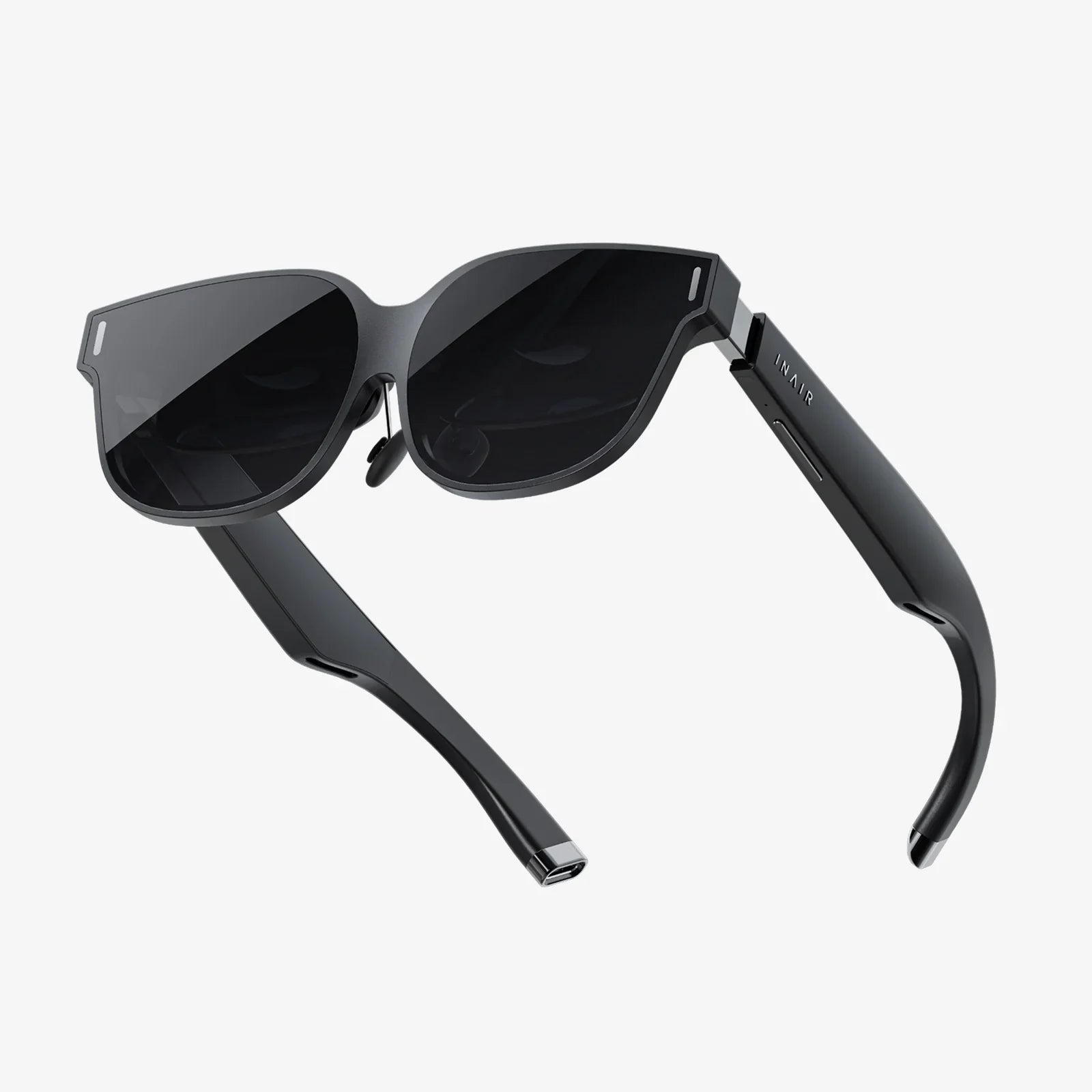
Wearables represent a paradigm shift in human-computer interaction. By moving technology onto our bodies—on our wrists, in our ears, on our faces—these devices achieve a level of immediacy and context that smartphones cannot. The most ubiquitous form, the smartwatch, transformed the wrist from a place for passive timekeeping into a dynamic dashboard for our lives. It provides glanceable notifications, allowing users to triage information from their smartphone without the disruptive act of unlocking it. This creates a more fluid and less intrusive digital experience.
But the true power of wearables extends far beyond convenience. Fitness trackers pioneered the concept of quantified self, turning abstract concepts like "activity" and "health" into tangible, measurable data. They democratized health monitoring, giving millions of people insights into their steps, heart rate, and sleep patterns. This was just the beginning. Advanced health sensors now allow certain wearables to perform electrocardiograms (ECG), measure blood oxygen levels, and detect potentially dangerous anomalies like atrial fibrillation. This continuous, passive monitoring provides a rich, longitudinal dataset of a person's health that was previously impossible to capture outside of a clinical setting. The implications for preventative medicine and personalized health insights are profound.
The magic doesn't lie in either device alone, but in the sophisticated synergy between them. This relationship is a masterclass in distributed computing, where each device plays to its strengths.
The convergence of smartphones and wearables is not just a consumer trend; it's a force that is actively reshaping major sectors of our economy and society.
This is arguably the most significant area of impact. The duo is moving healthcare from a reactive model to a proactive and preventative one. Continuous monitoring allows for early detection of potential issues, long before a patient would typically schedule a doctor's appointment. Remote patient monitoring programs enable healthcare providers to track the vitals of individuals with chronic conditions like hypertension or diabetes from their homes, improving outcomes and reducing hospital visits. For the general population, the daily awareness of health metrics encourages positive behavioral changes, turning abstract health goals into achievable daily targets.
The fitness industry has been completely revolutionized. Runners, cyclists, and swimmers use this combination to get real-time feedback on their pace, heart rate zones, and route navigation directly on their wrist, with their phone safely stowed away. Post-workout, the phone app provides a comprehensive analysis of performance metrics over time. This data-driven approach has democratized high-level coaching and performance tracking for amateur athletes everywhere.
For individuals with disabilities, this technology can be life-changing. Smartwatches can deliver subtle haptic notifications for those with hearing impairments. Smartphones can analyze data from wearables to detect falls in the elderly and automatically alert emergency contacts and services. Voice assistants, accessible from both device types, allow for hands-free control of the connected world, offering greater independence to many.
With great power comes great responsibility, and the intimate nature of this data collection raises critical questions. The constant stream of biometric and location data being generated is incredibly sensitive. Who owns this data? How is it being used? The potential for misuse by third parties, including insurers, employers, or malicious actors, is a serious concern. Robust data encryption, transparent privacy policies, and giving users full control over their information are non-negotiable requirements for the industry.
Furthermore, the very "always-on" nature of this ecosystem risks exacerbating issues of digital addiction and information overload. The constant buzz of notifications on the wrist can make it harder to disconnect. The pursuit of perfect health scores can lead to obsessive behaviors. It is therefore imperative that developers build in features that promote digital wellbeing—such as activity summaries instead of constant pings, and "focus mode" settings that allow users to create boundaries and reclaim moments of uninterrupted peace.
The current state of smartphones and wearables is merely a precursor to an even more integrated future. We are moving towards a paradigm where the line between the devices will blur even further. We can expect the development of more advanced, medical-grade sensors on wearables, potentially capable of non-invasively monitoring glucose levels or detecting early signs of infection. The form factors will continue to diversify, with smart rings, smart clothing, and even smart skin patches becoming more common, collecting data from different parts of the body.
Artificial Intelligence (AI) and machine learning will act as the intelligent glue that binds this ecosystem together. Instead of just presenting data, these systems will learn our individual patterns and offer predictive and prescriptive insights. Your devices might not just tell you you had a bad night's sleep; they might analyze your daily schedule and suggest the optimal time for a nap or warn you that your caffeine intake is impacting your sleep quality. The interaction will become more natural, moving beyond touchscreens to include advanced voice assistants and, eventually, gesture control and neural interfaces.
The ultimate destination is a ambient computing environment where technology is woven so seamlessly into our surroundings and our personas that it feels less like using a tool and more like an extension of our own capabilities. Our devices will work in concert to create a personalized digital layer over our physical world, enhancing our reality without obscuring it.
The journey of smartphones and wearables is a story of technology becoming more personal, more intuitive, and more powerfully connected to our well-being. It’s a partnership that has moved computing from our pockets to our bodies, and is now poised to integrate it into the very rhythm of our lives. This isn’t just about getting faster notifications or counting more steps; it’s about building a smarter, more responsive world that understands us better, empowering us to live healthier, safer, and more efficient lives. The future is not just connected; it’s listening, learning, and responding, one seamless interaction at a time.