


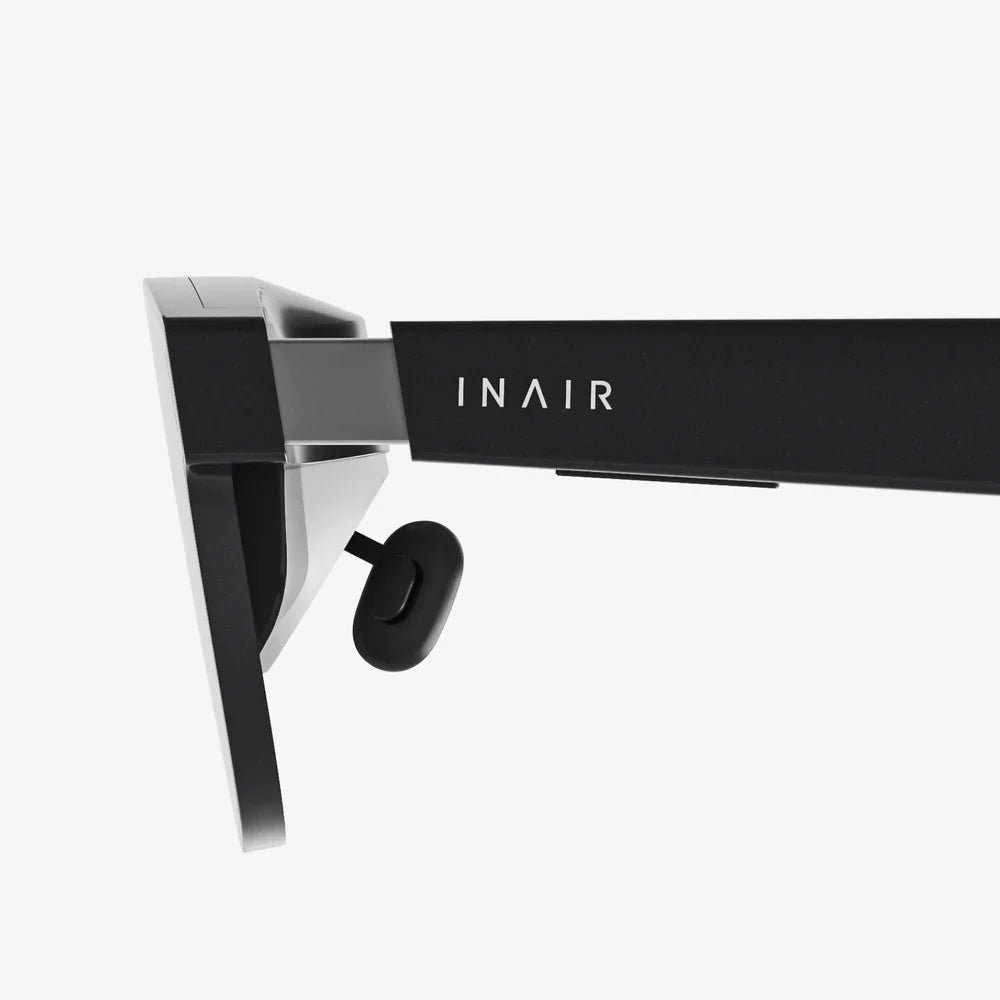
Imagine holding the future in the palm of your hand, a sleek device pulsing with data and potential, and having just one chance to make an entire room see its revolutionary power. This is the high-stakes reality of a wearable technology presentation, a unique performance where the line between product and person blurs, and where your success hinges not just on what you say, but on how you make your audience feel the technology’s seamless integration into human life. In an era where these devices are evolving from novelties into necessities, presenting them effectively is a critical skill that can secure funding, win customers, and inspire innovation. This is more than a sales pitch; it’s a demonstration of a new way of living, working, and connecting. The pressure is immense, but so is the opportunity. A successful presentation can transform skeptics into evangelists, turning complex circuitry and algorithms into a compelling vision of a smarter, healthier, and more efficient future.
Laying the Foundation: Pre-Presentation Strategy
Before a single slide is designed or a demo is rehearsed, the architecture of a powerful presentation is built on a deep understanding of context and purpose. Rushing into creation without this strategic groundwork is the most common reason presentations fail to resonate.
Know Thy Audience: The Cardinal Rule
The core of any effective communication, especially for a topic as multifaceted as wearable tech, is a nuanced understanding of your audience. A presentation for venture capitalists will be fundamentally different from one for a focus group of end-users or a board of directors at a healthcare provider. You must answer critical questions: What are their primary concerns? Are they motivated by return on investment, clinical efficacy, user experience, or technological superiority? What is their level of technical expertise? Understanding their fears, aspirations, and biases allows you to tailor your language, your data, and your narrative. For a technical team, delve into sensor fusion algorithms and battery chemistry. For investors, focus on market size, adoption curves, and the business model. For potential users, speak to the direct benefit—how it solves a specific problem or enhances their daily life. This audience-first approach ensures your message is not just heard, but felt and understood.
Defining Your Core Narrative and Objective
Every great presentation tells a story. With wearable technology, this narrative is paramount because you are often introducing a new behavior. What is your central thesis? Is it empowerment? Prevention? Efficiency? Connection? This narrative thread must weave through every part of your presentation, from the opening hook to the closing call to action. Alongside this narrative, you must have a crystal-clear objective. What do you want the audience to do, think, or feel when you finish? Is it to approve a budget? To pilot the technology? To invest? Every element of your presentation should be ruthlessly evaluated against this objective. If a slide or a data point doesn't serve the objective and advance the narrative, it is merely clutter.
Content Curation: Beyond the Spec Sheet
While technical specifications are important, they are the supporting cast, not the star of the show. The real magic lies in translating those specs into human benefits. Don't just state "a 200mAh battery"; explain "all-day battery life that tracks your activity from sunrise to sunset without a second thought." Don't just list "an optical heart rate sensor"; talk about "the peace of mind that comes with continuous, clinical-grade heart health monitoring." Curate content that showcases application and outcome. Use case studies, testimonials (if available), and relatable scenarios. Data is your friend, but it must be visualized effectively. Instead of a table of numbers, use an elegant chart to show improvements in sleep quality, reductions in workplace injuries, or gains in athletic performance. The content must answer the audience's unspoken question: "Why should I care?"
Architecting the Presentation Structure
With your strategy defined, it’s time to build the presentation itself. A logical, compelling structure is the skeleton that holds your narrative together, guiding the audience on a journey from curiosity to conviction.
The Powerful Opening: Capturing Attention Immediately
You have less than sixty seconds to capture your audience's attention. Begin with a bang, not a whimper. Avoid opening with your company history or a boring agenda slide. Instead, start with a provocative question: "What if you could predict a health event before it happens?" Use a startling statistic: "Every year, workplace fatigue contributes to over $XX billion in lost productivity." Or, begin with a short, powerful story that illustrates the problem your technology solves. The goal is to create an immediate emotional or intellectual connection, establishing relevance and intrigue before you even mention your device.
The Problem Agitation and Solution Introduction
Once you have their attention, deepen the sense of need. Agitate the problem your wearable technology addresses. Paint a vivid picture of the current pain points, the inefficiencies, the risks, or the missed opportunities. Make the audience feel the friction of the status quo. Then, and only then, introduce your solution—the wearable device—as the hero that resolves this agitation. Present it not as a mere gadget, but as the key that unlocks a better way. This transition from problem to solution is a critical pivot point in your presentation’s emotional arc.
The Deep Dive: Demonstrating Value and Technology
This is the meat of your presentation. Here, you elaborate on how your technology works and, more importantly, the value it delivers. Break this down into digestible sections:
- Design and User Experience: Discuss the ergonomics, the materials, and the aesthetics. Highlight how the design promotes adoption and compliance. Show the user interface on a large screen.
- Key Features and Functionality: Walk through the core features, always linking them back to a user benefit. "This ambient light sensor automatically adjusts the screen brightness, ensuring perfect readability whether you're in the office or outdoors, which conserves battery life."
- The Data Ecosystem: Wearables are data engines. Explain how data is collected, processed, and transformed into actionable insights. Show the dashboard, the mobile app, or the reports. Emphasize security, privacy, and data ownership.
- Proof and Validation: This is where you build credibility. Present your key data, third-party research, pilot program results, or expert endorsements.
The Compelling Closing: The Call to Action
Do not simply end on a "Thank You" slide. Your closing is your final chance to galvanize your audience. powerfully reiterate your core narrative and the biggest benefit. Then, state your Call to Action (CTA) with absolute clarity and confidence. What is the next step? A trial? A meeting? A purchase? Make the path forward obvious and easy. Leave them with a memorable, forward-looking vision of the future your technology helps create.
The Art of the Live Demonstration
For a wearable technology presentation, the live demo is not an add-on; it is the centerpiece. It’s where your promises become tangible. It is also the segment with the highest risk of failure, making meticulous planning non-negotiable.
Why Demos Make or Break Your Pitch
A static image of a smartwatch on a slide is forgettable. Seeing that same watch on your wrist, lighting up, displaying real-time heart rate data, and receiving a notification is unforgettable. A demo makes your technology real. It provides visceral proof of concept, builds immense credibility, and creates an emotional hook that slides alone cannot achieve. It transforms abstract features into concrete experiences, allowing the audience to project themselves into using the device. A flawless demo can single-handedly win over a room, while a failed one can undermine hours of perfect presentation.
Planning for Flawless Execution: The Demo Doctrine
The key to a successful demo is obsessive preparation. Follow a strict doctrine:
- Rehearse, Rehearse, Rehearse: Practice the demo sequence dozens of times. Time it. Know exactly what you will click, swipe, and say at every moment.
- Have a Backup Plan (and a Backup for the Backup): Technology is fickle. Assume something will go wrong. Have a second device fully charged and prepped. Pre-record screen captures or video clips of key functionalities that you can seamlessly switch to if the live feed fails. Have all dongles, chargers, and cables on hand.
- Simplify and Focus: Do not attempt to demo every single feature. Choose three to five of the most impressive and relevant functionalities that directly support your core narrative. Demo them slowly and deliberately, explaining what you are doing and what the audience is seeing.
- Integrate, Don't Isolate: Weave the demo into the flow of your presentation. Don't say, "And now for the demo." Instead, transition into it naturally: "Earlier I mentioned predictive health alerts. Let me show you how that works in real-time..."
Engaging the Audience During the Demo
Turn the demo into an interactive experience. If appropriate and safe, pass a device around for the audience to feel. Ask a volunteer to come up and try a specific feature. Pose questions: "What heart rate do you think I have right now? Let's see..." This interaction breaks the fourth wall, creates engagement, and makes the presentation a dialogue rather than a monologue.
Mastering Delivery and Handling Objections
The most beautifully crafted presentation can be undone by poor delivery. Your poise, passion, and ability to think on your feet are just as important as your slides and device.
Polished Presentation Techniques
You are the narrator of this story. Your delivery must be confident and authentic. Master your material so well that you can speak to it conversationally, without overly relying on notes or slides. Modulate your voice to convey passion and emphasize key points. Use purposeful movement and gestures. Make strong eye contact with individuals across the room to create connection. Your own energy and belief in the product will be infectious. If you are not excited, why should they be?
Anticipating and Addressing the Inevitable Questions
A presentation on wearable technology will inevitably provoke questions, often pointed ones about privacy, data security, battery life, accuracy, and cost. Anticipate every single objection you might face and prepare clear, concise, and honest responses. Practice these answers. If you don't know something, never bluff. Instead, say, "That's an excellent question that deserves a precise answer. Let me take down your details and get back to you by end of day." View Q&A not as an interrogation, but as a sign of engagement—a chance to clarify and further convince those who are most interested.
Beyond the Podium: The Future of Presenting Wearables
The methods of presenting are evolving alongside the technology itself. To truly stand out, consider how to leverage new formats and tools.
Leveraging Immersive and Interactive Tools
Why just tell when you can show? Use augmented reality (AR) to project a life-size, interactive 3D model of your device into the room, allowing the audience to virtually "try it on" or see its internal components. For remote presentations, create an interactive digital brochure or a 360-degree product tour. These tools create a "wow" factor that demonstrates your company is innovative not just in its product, but in its communication.
Tailoring for Virtual and Hybrid Formats
The remote presentation is a different beast. Ensure you have professional-grade audio and video. Use a high-quality document camera or a second webcam dedicated to showing the device close-up. Structure the presentation to be even more dynamic, with more polls, chats, and interactive breaks to maintain attention. Your slides must be visually simpler and text must be larger for smaller screens. Rehearse the technology stack—the webinar software, screen sharing, and audio—as rigorously as you rehearse your speech.
The final slide fades, the last question is answered, and the room erupts not just in applause, but in a buzz of conversation. This is the true mark of a successful wearable technology presentation—you haven’t just shared information; you’ve ignited imagination. You’ve transformed a piece of advanced engineering into an irresistible vision of progress, making the audience believe not just in the device, but in the enhanced version of themselves it enables. They leave not thinking about processor speed or battery capacity, but about the workouts they’ll optimize, the health risks they’ll avoid, or the workflows they’ll revolutionize. This alchemy, turning silicon and software into human potential, is the ultimate goal. Master this craft, and you become more than a presenter; you become a pioneer, guiding others to confidently embrace a world where technology doesn’t just reside in our pockets, but moves with us, learns from us, and ultimately, empowers us to live better than we ever thought possible.
Share:
Smart AR Solution: The Invisible Interface Revolutionizing Our World
AR Daily: How Augmented Reality is Reshaping Our Everyday Lives