


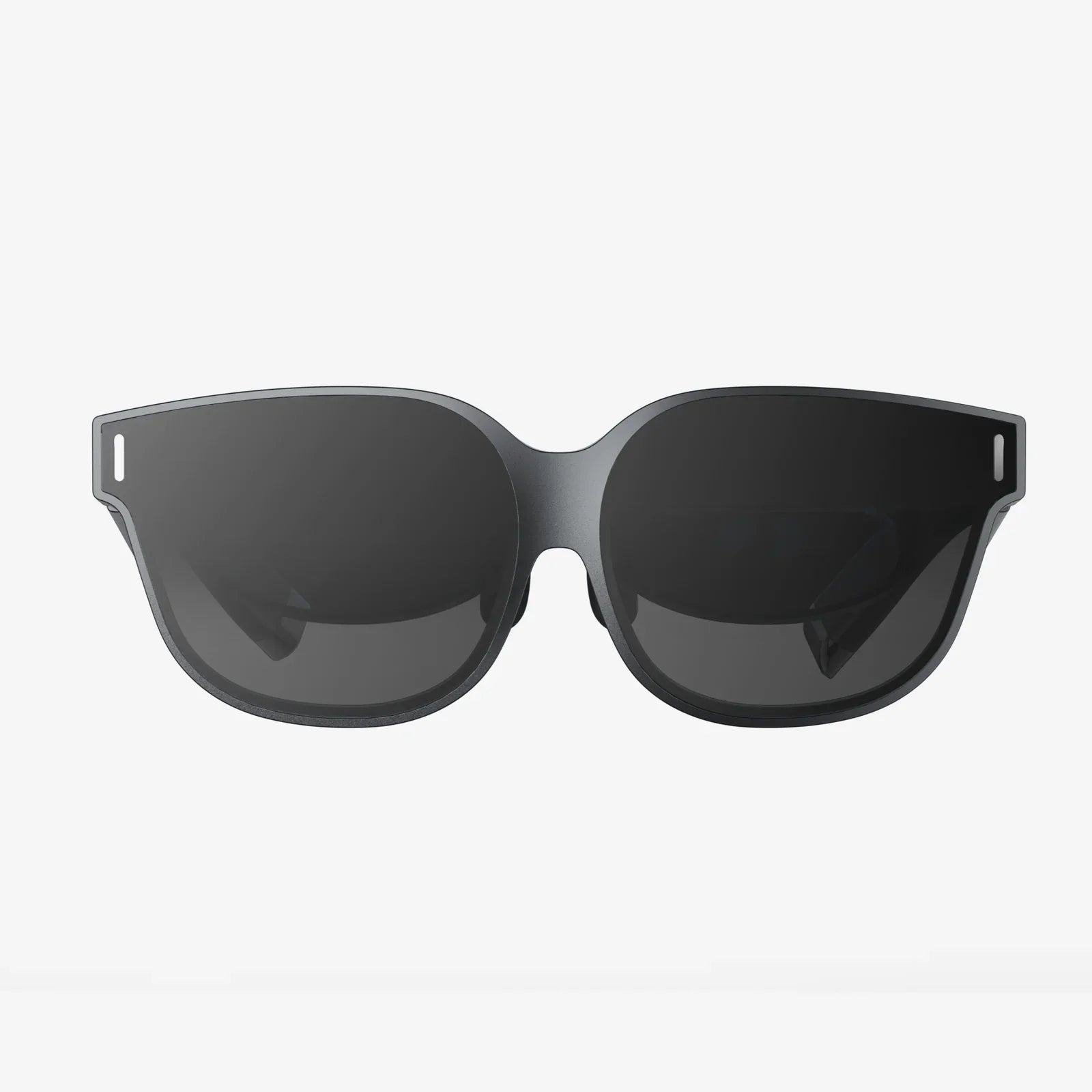
Imagine a world where a simple device on your wrist could summon help after a fall before you even press a button, where your watch could gently remind you to take your medication, and where your family could feel connected to your wellbeing from miles away. This is no longer the realm of science fiction; it is the powerful reality offered by today’s generation of wearables for seniors. This technology is rapidly evolving from a niche gadget into a fundamental tool for promoting safety, health, and profound peace of mind for older adults and their loved ones, fundamentally redefining the landscape of aging in place.
The Evolution of Senior Care Technology
The journey of assistive technology for seniors has been remarkable. It began with simple personal emergency response systems (PERS)—those iconic "I've fallen and I can't get up" pendants that provided a critical lifeline but were often stigmatized and limited in function. Today, we are witnessing a seismic shift. Modern wearables for seniors integrate sophisticated sensors, powerful connectivity, and intelligent software into elegant, familiar forms like watches and pendants. This convergence of consumer electronics and medical-grade monitoring has created a new category of devices that are not only effective but also desirable, breaking down the barriers of adoption and empowering a generation to live more independently.
Core Safety Features: Beyond the Fall
At the heart of most senior-focused wearables is an unwavering commitment to safety. The most celebrated feature is undeniably automatic fall detection. Using a complex array of accelerometers and gyroscopes, these devices can detect the hard, sudden impact and subsequent lack of movement characteristic of a serious fall. Upon detection, the device typically initiates a countdown, giving the user a chance to cancel the alert if it was a false alarm. If the alert is not canceled, it automatically connects the user to a live emergency response agent who can assess the situation and dispatch help, all without the user needing to reach for a phone or press a button.
But safety extends far beyond falls. These devices often include one-touch emergency calling (SOS), allowing users to instantly connect to a help center with a single press. Furthermore, many offer GPS location services. This is a game-changer for families caring for loved ones with cognitive conditions like dementia or Alzheimer's. If a loved one wanders or becomes disoriented, a caregiver can quickly and accurately locate them through a secure mobile application, drastically reducing search time and potential danger.
Health and Wellness Monitoring
Modern wearables are increasingly acting as a window into the daily health metrics of seniors. While not intended to replace professional medical devices, they provide invaluable trend data that can signal important changes. Continuous heart rate monitoring can detect episodes of atrial fibrillation (AFib) or tachycardia. Some advanced devices even incorporate electrocardiogram (ECG) apps to take on-demand readings that can be shared with a physician.
Sleep tracking is another critical feature, as sleep quality is a vital indicator of overall health. These devices can monitor sleep stages, disturbances, and overall duration, providing insights that can help improve sleep hygiene. Perhaps most practically, medication reminders ensure that complex medication regimens are adhered to, with alerts that persist until manually dismissed. This simple function can prevent dangerous missed doses or accidental double-dosing, a common issue for those managing multiple prescriptions.
Fostering Social Connection and Combating Loneliness
Isolation and loneliness are silent epidemics among older adults, with severe consequences for both mental and physical health. Wearables are uniquely positioned to combat this. Features like step counting and daily activity goals encourage movement and provide a sense of accomplishment. More importantly, many devices are integrated into broader caregiver ecosystems.
Through companion apps, designated family members can receive updates on their loved one's activity levels, see that they are up and moving about, and receive immediate notifications of emergency events. Some systems even allow for one-way check-in messages or two-way calling directly through the wearable. This creates a subtle, non-intrusive safety net that fosters connection without feeling like constant surveillance, giving both seniors and their families a greater sense of security and companionship.
Key Considerations When Choosing a Device
Selecting the right wearable requires careful thought. It is not a one-size-fits-all decision. Key factors include:
- Ease of Use: The interface should be simple, with large, clear icons, intuitive navigation, and loud, clear audio. Complicated menus are a significant barrier to adoption.
- Design and Comfort: The device must be comfortable enough to wear 24/7 to be effective. Consider size, weight, band material (e.g., hypoallergenic silicone), and overall aesthetics. A device that looks like a medical tool is less likely to be worn consistently than one that resembles a stylish watch or piece of jewelry.
- Battery Life: Long battery life is crucial. Ideally, a device should last several days on a single charge to prevent the anxiety and vulnerability that comes from a dead device. Simple charging mechanisms are also important.
- Connectivity and Costs: Most devices require a cellular connection and a monthly subscription service to access emergency response centers and full feature sets. Understand all associated costs upfront, including the price of the device itself and any ongoing fees.
- Water Resistance: A device should be at least water-resistant to withstand accidental splashes or being worn in the shower, where falls are common.
Overcoming Barriers to Adoption
Introducing new technology to an older adult can be met with resistance. Common concerns include anxiety about complexity, fear of constant monitoring, cost worries, and a simple reluctance to change. The best approach is one of empathy and collaboration.
Frame the device as a tool for their independence and your peace of mind, not as a sign of their decline. Highlight the features they might value most, like the ability to call for help anywhere in their home without a phone. Ensure they are involved in the selection process, choosing a design they find appealing. Offer patient, hands-on training and provide simple, written instructions for reference. Ultimately, the goal is to present the wearable not as a burden, but as an empowering guardian that works quietly in the background to support their chosen lifestyle.
The Future of Aging is on the Wrist
The trajectory of this technology is incredibly promising. We are moving towards even more integrated and predictive health ecosystems. Future wearables will likely incorporate more advanced biometric sensors for blood pressure monitoring, blood oxygen saturation (SpO2) tracking, and even blood glucose level trends. Deeper integration with telehealth platforms will allow doctors to remotely monitor patient-generated health data, enabling more proactive and personalized care. Artificial intelligence and machine learning will move devices from being reactive (alerting after a fall) to being predictive (identifying gait instability that indicates a high risk of falling days before it happens), allowing for preventative interventions.
This is not just about adding more features; it's about creating a seamless, intelligent environment that supports wellness and anticipates needs, making the concept of safely aging in place a sustainable reality for millions more individuals.
The quiet revolution happening on the wrists of seniors worldwide is about far more than technology; it's about preserving dignity and autonomy. These devices are powerful allies in the quest to live life fully, on one's own terms, while providing an irreplaceable layer of security. For families, they offer a tangible connection and a respite from worry, transforming a constant underlying anxiety into confident support. In embracing wearables, we are not just giving seniors a device; we are giving them and their loved ones the freedom to live with greater confidence, connection, and courage.
Share:
Bluetooth Eyeglasses The Ultimate Guide to Hearing and Seeing Your World Differently
3D Holographic Technology: A Glimpse into the Future of Visual Experience