


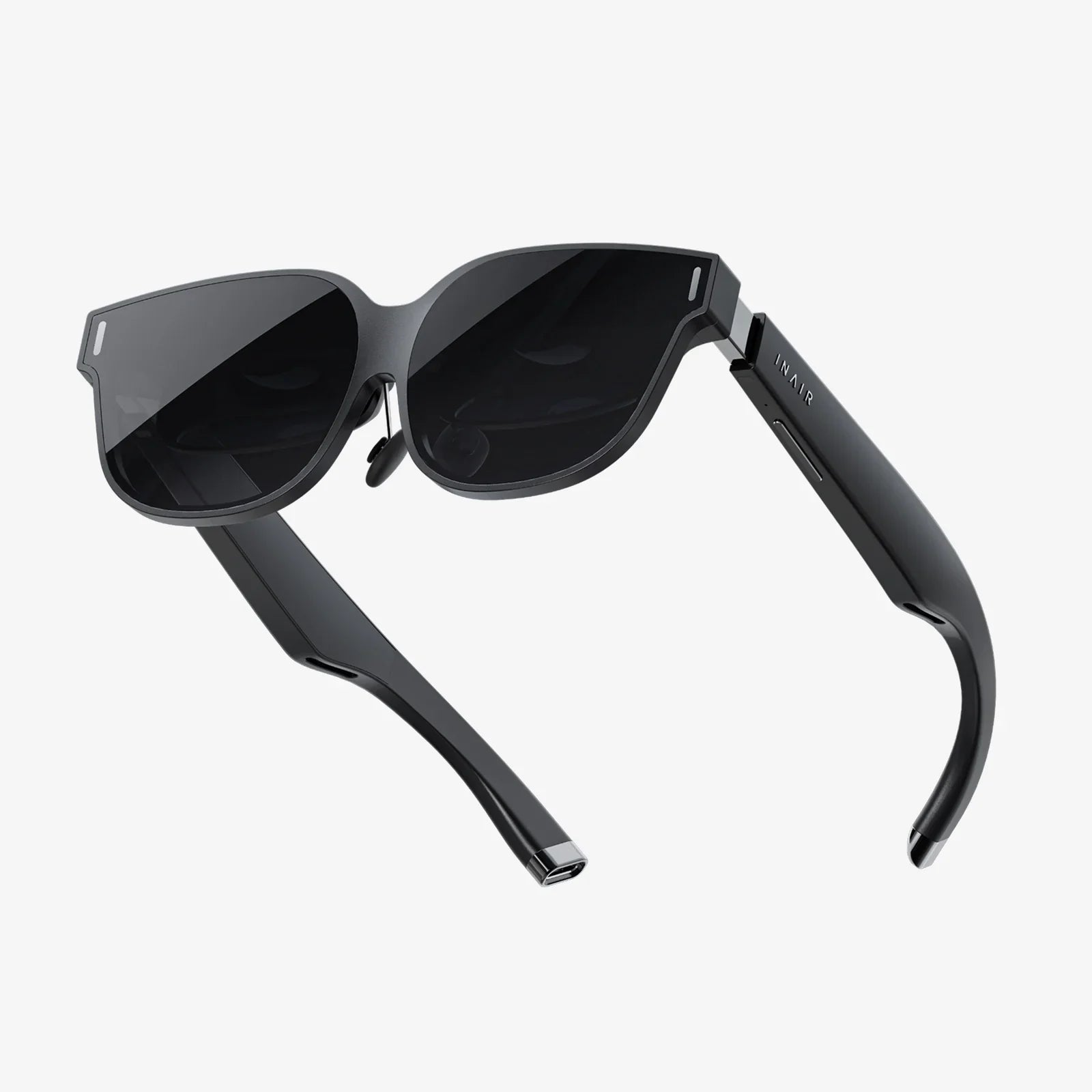
Imagine a world where your watch not only tells time but also warns you of an impending health event, where your glasses overlay digital information onto the physical world, and where your clothing can monitor your posture and stress levels in real-time. This is not a glimpse into a distant science fiction future; it is the rapidly unfolding present, powered by the silent, pervasive revolution of wearables. These devices are weaving computing power into the very fabric of our daily existence, moving technology from our pockets onto our bodies, creating an intimate and continuous feedback loop between us and the digital realm. The era of passive observation is over; we are now entering an age of quantified and augmented living.
From Chronographs to Biometric Hubs: A Brief Evolutionary Leap
The concept of wearables is far from new. For centuries, eyeglasses have augmented human vision, and wristwatches have served as portable timekeeping machines. However, the modern iteration began its journey with rudimentary calculators and digital watches. The true inflection point arrived with the convergence of miniaturized sensors, ubiquitous connectivity, and powerful mobile processors. Early fitness trackers, focused primarily on step counting and basic sleep tracking, introduced the masses to the concept of self-quantification. They democratized data that was once only accessible in clinical settings.
This was quickly followed by the rise of the smartwatch, which transformed the wearable from a single-purpose gadget into a multi-functional platform. Suddenly, a device on your wrist could receive notifications, play music, make payments, and run a multitude of apps, all while tracking an expanding array of health metrics. This evolution marked a critical shift: wearables were no longer just about fitness; they were becoming indispensable personal assistants and health guardians, seamlessly integrated into the user's lifestyle.
The Core Technologies Powering the Wearable Revolution
The magic of wearables lies in their sophisticated internal components, all packed into an ergonomic and often stylish form factor.
- Sensors: The heart of any wearable. These include accelerometers and gyroscopes for tracking movement and orientation; optical heart rate sensors using photoplethysmography (PPG) to measure blood flow; electrocardiogram (ECG) sensors to assess heart rhythm; bioimpedance sensors for measuring body composition; GPS for location tracking; and increasingly, sensors for blood oxygen saturation (SpO2), skin temperature, and even electrodermal activity to measure stress.
- Connectivity: Data is useless in isolation. Bluetooth Low Energy (BLE) is the workhorse, enabling a constant, power-efficient link to a smartphone for data syncing and analysis. Wi-Fi and cellular connectivity in more advanced models allow for complete independence from a phone.
- Processing Power & Machine Learning: Raw sensor data is just noise without interpretation. On-device processors and sophisticated algorithms are required to turn wrist movements into step counts, optical signals into heart rate readings, and sleep patterns into actionable insights. Machine learning is increasingly used to detect patterns and anomalies, providing personalized feedback and predictions.
- Battery Technology: The eternal challenge. Advancements in battery efficiency and low-power components are crucial for achieving multi-day battery life, which is essential for continuous monitoring, especially during sleep.
Transforming Healthcare: From Reactive to Proactive and Preventive
Perhaps the most significant impact of wearables is being felt in the realm of healthcare. The traditional model of episodic, reactive care—visiting a doctor only when you feel sick—is being challenged by a new paradigm of continuous, proactive health management.
Modern devices can detect atrial fibrillation, a leading cause of stroke, often before the user experiences any symptoms. They can track trends in resting heart rate and heart rate variability, which can be early indicators of illness, overtraining, or heightened stress. Sleep stage monitoring provides deep insights into sleep quality, a critical pillar of overall health. For individuals with chronic conditions like diabetes or hypertension, continuous monitoring can help them and their clinicians manage their health more effectively between appointments.
This shift empowers individuals to take a more active role in their own well-being. The data provides objective evidence, moving conversations with healthcare professionals from subjective descriptions of feeling "unwell" to discussions based on longitudinal trends. This has the potential to not only improve individual outcomes but also to reduce the burden on healthcare systems by preventing acute episodes through early intervention.
Beyond Health: The Integration into Work, Fitness, and Social Life
The applications of wearables extend far beyond the clinic. They have become central to the lifestyles of athletes and fitness enthusiasts, providing detailed metrics on workout intensity, recovery status, and VO2 Max estimates to optimize training regimens. In the workplace, some industries are exploring wearables for safety, such as devices that monitor fatigue in truck drivers or exposure to harmful noise levels on construction sites.
Socially, wearables have created new forms of connection and competition. The ability to share activity metrics and participate in challenges with friends and family has added a powerful motivational layer, turning personal health into a communal activity. Furthermore, the convenience factor of contactless payments, seamless notification filtering, and smart home control from the wrist has made these devices a core part of the daily digital experience for millions.
The Double-Edged Sword: Privacy, Security, and Ethical Quandaries
This unprecedented collection of intimate biometric data raises profound questions about privacy and security. The data generated by a wearable—your location, heart rate, sleep patterns, and more—paints an incredibly detailed portrait of your life. Who owns this data? How is it being used? Is it being sold to third parties, such as advertisers or insurance companies? The potential for misuse is staggering.
Data security is another major concern. A breached email account is one thing; a breached treasure trove of your continuous health and location data is another entirely. Manufacturers and software platforms have a tremendous responsibility to implement robust encryption and transparent data governance policies.
Ethical dilemmas also abound. Could this data lead to new forms of discrimination? Could an insurance company penalize you based on your activity data or sleep patterns? The potential for a "quantified self" to become a "surveilled self" is a real risk that society must address through thoughtful regulation and ethical frameworks.
The Next Frontier: What Lies Ahead for Wearable Technology
The evolution of wearables is accelerating toward even more seamless and powerful integrations. We are moving beyond the wrist. The future lies in advanced hearables (smart earbuds) that can translate languages in real-time and monitor brain waves, smart rings that offer medical-grade sleep tracking in a minimalist form factor, and electronic textiles (e-textiles) where sensors are woven directly into clothing, making the garment itself the device.
Non-invasive continuous glucose monitoring (CGM) is a holy grail for diabetics and biohackers alike, potentially eliminating the need for finger-prick tests. Further integration with Augmented Reality (AR) through smart glasses will overlay contextual information onto our field of view, changing how we work, learn, and interact with our environment. Ultimately, the line between the device and the body will continue to blur, aiming for technology that is truly unobtrusive and always available, yet invisible.
The ultimate goal is a closed-loop system where a wearable doesn't just collect data but acts on it autonomously for our benefit. Imagine a device that detects a dangerous spike in your heart rate and automatically calls for help, or one that senses a drop in your blood sugar and suggests you eat something, all without you lifting a finger. This is the promise of the next generation of wearables: not just to inform, but to protect and empower autonomously.
The devices gracing our wrists and bodies today are merely the first draft of a much larger story. They are the foundational layer of a more intuitive, responsive, and personalized technological future—one that promises to deepen our understanding of ourselves in ways we are only beginning to imagine, forever changing what it means to be connected.
Share:
Buy Wearable Tech: The Ultimate Guide to Navigating the Connected Future on Your Wrist
VR The Future is Here How Virtual Reality is Reshaping Our World