


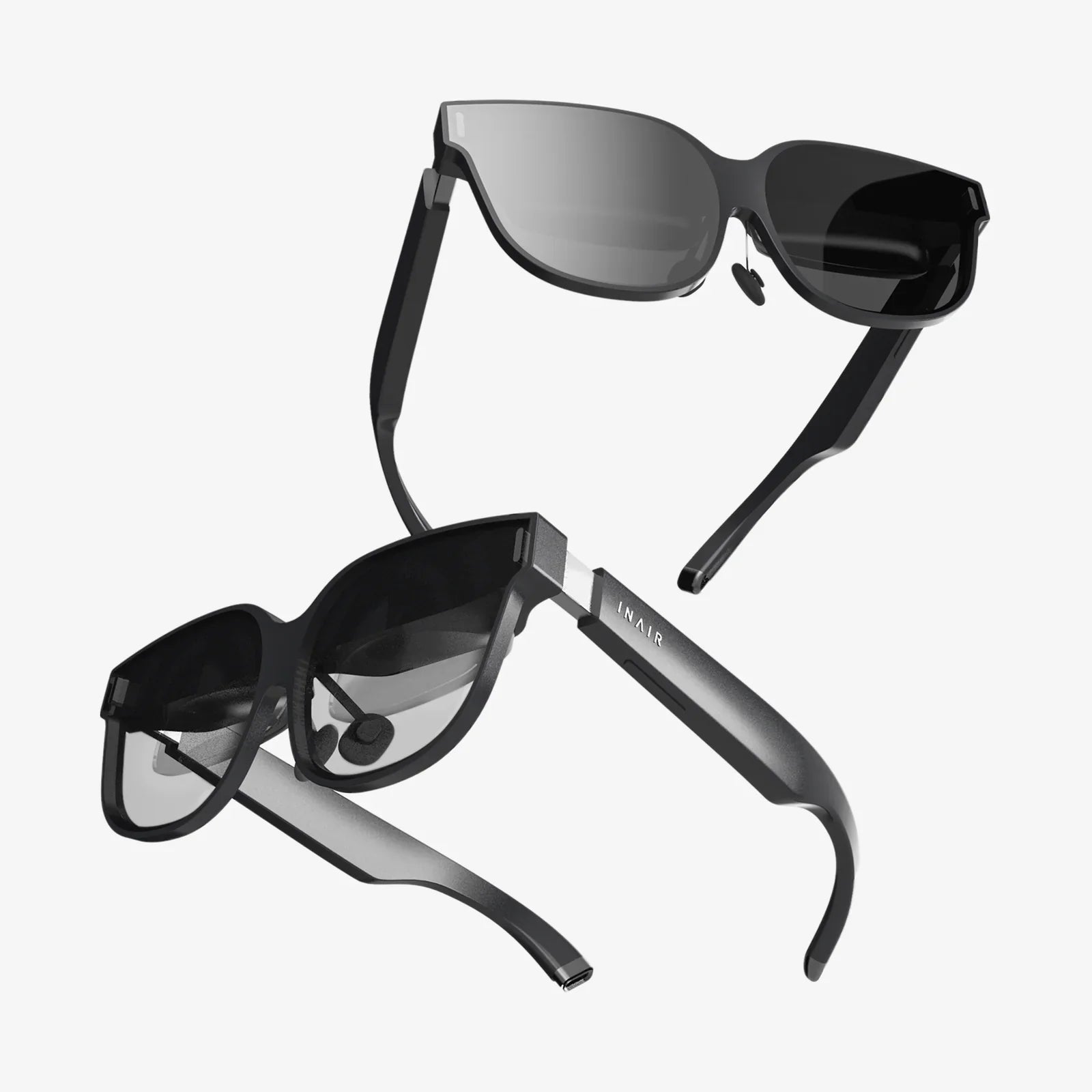
Imagine a pair of sunglasses that does more than just shield your eyes from the sun. Imagine eyewear that can play your favorite playlist, take a hands-free call, track your morning run, and even translate a foreign street sign in real-time. This isn't a scene from a science fiction movie; it’s the reality offered by the rapidly evolving world of smart sunglasses. This cutting-edge wearable technology is poised to become the next must-have gadget, seamlessly blending the classic utility of sunglasses with the power of modern computing, and it’s a trend that is capturing the imagination of tech enthusiasts and fashion-forward individuals alike.
Beyond Shade: Defining the Smart Sunglasses Revolution
At their core, smart sunglasses are wearable computers designed in the form of traditional sunglasses. They integrate advanced electronics and connectivity features directly into the frames and lenses, transforming a passive accessory into an interactive platform. Unlike their virtual reality (VR) or augmented reality (AR) headset cousins, which often aim to create or augment an entire digital world, most current smart sunglasses are designed for subtlety and everyday use. They enhance your real-world experience rather than replacing it, offering functionality that feels like a natural extension of your capabilities.
The fundamental components that elevate these devices from simple eye protection to intelligent systems typically include:
- Integrated Audio: This is the most common feature. High-quality, miniature speakers are embedded in the arms of the sunglasses, directing sound towards your ears without the need for bulky headphones. Some models use open-ear audio technology or bone conduction, allowing you to hear your music, podcasts, and calls while still being aware of your surroundings—a critical safety feature for runners and cyclists.
- Microphones: Built-in microphones, often with noise-canceling algorithms, enable clear voice commands and crystal-clear phone conversations. This allows for interaction with voice assistants and hands-free communication.
- Connectivity: Bluetooth is the standard, allowing the sunglasses to wirelessly pair with your smartphone, tablet, or other devices. This connection is the gateway for streaming audio, receiving notifications, and enabling other smart features.
- Battery: A rechargeable battery is housed within the frame, typically offering several hours of audio playback or talk time on a single charge. The goal is to provide all-day battery life for the average user.
- Touch or Button Controls: Simple touchpads or physical buttons on the arms allow you to control volume, skip tracks, answer calls, and activate voice assistants without ever reaching for your phone.
A Symphony of Features: What Can They Actually Do?
The magic of smart sunglasses lies in the applications these core components enable. While the feature set expands with each new model, current capabilities are already impressively versatile.
Seamless Audio Integration
The primary function for many users is audio. Whether you’re commuting, working out, or simply relaxing outdoors, smart sunglasses provide a soundtrack to your life without isolating you. The open-ear design is a game-changer for athletes, as it allows them to remain alert to traffic, other people, and environmental sounds while still enjoying motivational music. For professionals, taking a conference call while walking between meetings becomes effortless and discreet.
Intelligent Voice Assistance
With a simple voice command, you can activate your device’s native voice assistant (like Siri or Google Assistant). This enables you to set reminders, check the weather, get directions, send messages, or control smart home devices—all while your phone stays in your pocket. It’s the ultimate tool for multitasking on the go.
Notification Alerts
Staying connected doesn’t have to mean constantly looking at a screen. Smart sunglasses can audibly alert you to incoming calls, texts, and app notifications. You can then choose to have the message read aloud or ignore it until later, helping you stay informed without the digital distraction.
The Frontier of Augmented Reality
While still an emerging area, some high-end models are beginning to incorporate true AR features. This involves embedding transparent micro-displays or using waveguide technology within the lenses to project digital information onto your field of view. Potential applications are vast and include:
- Navigation: Seeing turn-by-turn directions overlaid onto the road in front of you.
- Fitness Metrics: Real-time data like heart rate, speed, distance, and pace displayed as you run or cycle.
- Translation: Point your gaze at a menu or sign in a foreign language and see the translation appear on your lenses.
- Information Overlays: Getting real-time information about landmarks, restaurants, or even people you meet (imagine seeing a colleague’s name and department at a large conference).
Form Meets Function: Design and User Experience
A critical challenge for smart sunglasses manufacturers is balancing technology with aesthetics. The success of the entire category hinges on the devices being desirable as *sunglasses* first and tech gadgets second. Fortunately, significant strides have been made in miniaturization, allowing components to be hidden within frames that are often indistinguishable from high-end traditional sunglasses.
Consumers can typically choose from a variety of frame styles (aviator, wayfarer, oval) and lens shapes, colors, and tints. Many offer interchangeable lenses, allowing you to swap a dark lens for a clear one for indoor use or low-light conditions. Furthermore, most smart sunglasses are polarized, providing 100% UV protection, ensuring they perform their fundamental duty of protecting your eyesight.
The user experience is designed for intuitiveness. Pairing with a smartphone is a one-time process, and from then on, the sunglasses connect automatically when taken out of their charging case. Controls are simple and learnable within minutes, prioritizing ease of use over complex menus.
Weighing the Benefits: Why Consider a Pair?
The advantages of adopting this technology extend far beyond simple novelty.
- Unmatched Convenience: Consolidating your sunglasses and headphones into a single, always-with-you device is incredibly convenient. It eliminates the hassle of carrying and untangling wires or worrying about earbuds falling out.
- Enhanced Safety: The open-ear audio design is significantly safer for outdoor activities than noise-canceling headphones, as it maintains situational awareness.
- Discreet Connectivity: They allow you to manage digital communication in a way that is less intrusive and more socially acceptable than staring at a phone screen or having a loud speakerphone conversation.
- All-Day Wearability: Unlike headphones, which can cause ear fatigue, or VR headsets, which are isolating, smart sunglasses are designed for all-day comfort and use in a wide range of social and professional settings.
Current Limitations and Considerations
As with any nascent technology, there are trade-offs to consider before making a purchase.
- Audio Privacy and Quality: While open-ear audio is great for awareness, it offers little privacy. People very close to you might hear your audio, and in very noisy environments, you may need to turn the volume up high. While audio quality has improved dramatically, it may not satisfy dedicated audiophiles compared to high-end over-ear headphones.
- Battery Life: Battery life is finite and tied to usage. A long day of continuous music playback will require a mid-day charge. Forgetting to charge them overnight means you have a regular, albeit high-tech, pair of sunglasses the next day.
- Cost: The technology and R&D involved place smart sunglasses at a higher price point than both standard sunglasses and most wireless earbuds, representing a significant investment.
- Durability and Repairs: Combining sophisticated electronics with an item that is often dropped, sat on, or exposed to the elements creates inherent durability concerns. Repairing a broken frame is now a more complex and potentially costly issue if the electronics are damaged.
Gazing into the Future: The Long-Term Vision
The smart sunglasses we see today are likely just the beginning. The trajectory points toward even deeper integration of technology, with a strong focus on health, biometrics, and augmented reality.
Future iterations could include embedded sensors to monitor health metrics such as UV exposure, fatigue levels through blink-rate analysis, and even blood oxygen saturation. Advanced AR capabilities could revolutionize fields from engineering and medicine to tourism and education, providing contextual information exactly when and where it is needed.
As artificial intelligence becomes more powerful and personalized, your sunglasses could evolve into a true AI companion, proactively offering suggestions and information based on what you see and hear. The convergence of improved battery technology, faster mobile networks like 5G, and ever-smaller components will continue to drive innovation, making the devices more powerful, efficient, and affordable.
The journey from simple eye protection to intelligent, connected companions represents a fundamental shift in how we interact with technology. Smart sunglasses offer a glimpse into a future where our tools are woven seamlessly into the fabric of our daily lives, enhancing our experiences without demanding our full attention. They promise a world where we can be more connected to our digital lives while being more present in our physical one.
Forget fumbling with cords or missing a moment to check your phone; the next generation of wearable tech is here, and it’s designed to be looked through, not at. The future looks bright, and it’s being filtered through a lens of incredible innovation.
Share:
What Augmented Reality Is and How It's Reshaping Our World
AR VR Market Size 2025 CAGR: A Deep Dive into the Metaverse's Meteoric Rise