


Imagine a world where the digital and the physical are no longer separate realms but a seamless, integrated experience. Imagine looking at a historical ruin and seeing it rebuilt before your eyes, watching a complex engine part assemble itself in mid-air for a trainee mechanic, or having a surgeon visualize a tumor's precise location directly on a patient's body during an operation. This is not science fiction; this is the powerful, present-day reality of augmented reality (AR), a technology poised to redefine the very fabric of our existence, from how we work and learn to how we connect and play. The question isn't whether AR will change the world, but rather, how profoundly it will do so, and the answers are more incredible than you might think.
Beyond the Novelty: Defining the Core Capability of AR
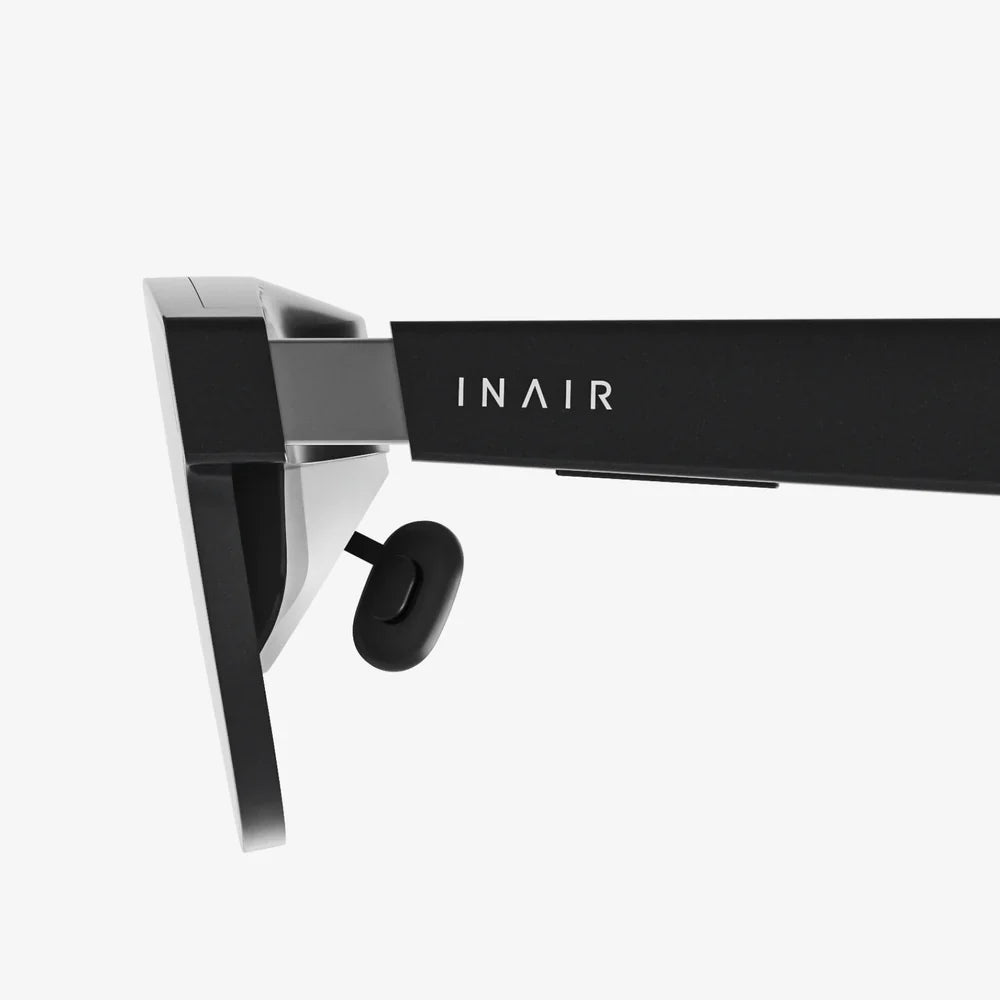
At its essence, augmented reality's primary function is to superimpose digital information—be it images, data, 3D models, or animations—onto our perception of the real world. Unlike Virtual Reality (VR), which seeks to replace reality entirely with a simulated one, AR aims to augment and enhance our existing reality. This is typically achieved through devices like smartphones, tablets, smart glasses, and heads-up displays (HUDs). The magic of AR lies in its ability to contextualize information. It doesn't just show you data; it shows you data in relation to the object, location, or person you are looking at. This context is what unlocks its transformative potential across countless domains.
Transforming the Classroom and the Training Ground
One of the most profound answers to "what can augmented reality do" is found in education and professional training. AR shatters the limitations of traditional textbooks and 2D diagrams, bringing abstract concepts to life with stunning clarity.
- Interactive Learning: Students can explore the human body in 3D, rotating a beating heart or a detailed skeleton, understanding anatomy in a way that was previously impossible. They can witness historical events unfold on their desk or see a dinosaur walk through their school playground, making learning an immersive and unforgettable adventure.
- Complex Skill Acquisition: For professionals, AR is revolutionizing training. Mechanics can see wiring diagrams overlaid directly onto the machinery they are repairing. Surgeons can practice complex procedures on virtual patients projected onto physical mannequins, receiving real-time feedback without any risk. Electricians can trace circuits through walls, and pilots can train on virtual instruments superimposed on their cockpit view.
- Remote Assistance and Collaboration: A field technician stuck on a complex problem can stream their view to an expert thousands of miles away. The expert can then draw annotations and instructions directly into the technician's field of view, guiding them through the repair step-by-step as if they were standing right beside them.
Revolutionizing Commerce and Retail from the Ground Up
The retail sector is being utterly transformed by AR's ability to bridge the gap between online browsing and physical possession. It solves one of the oldest problems in e-commerce: the inability to "try before you buy."
- Virtual Try-On and Preview: Customers can see how a new sofa would look in their living room, accurately scaled and colored, before making a purchase. They can "try on" glasses, makeup, or clothing using their smartphone camera, dramatically reducing return rates and increasing consumer confidence.
- Enhanced In-Store Experiences: Physical stores are using AR to create engaging experiences. Pointing a phone at a product on a shelf might reveal detailed specifications, customer reviews, or even show a video of the product in use. This enriches the shopping journey and provides a depth of information previously unavailable.
- Personalized Marketing: AR campaigns allow brands to create interactive and memorable advertisements. A movie poster can come to life and show a trailer, or a cereal box can turn into a fun game. This deep level of engagement fosters a stronger connection between the consumer and the brand.
Enhancing Human Capability in Industry and Manufacturing
In industrial settings, AR is moving from a experimental tool to a core component of the operational workflow, driving efficiency, reducing errors, and enhancing safety.
- Assembly, Maintenance, and Repair: Workers on assembly lines can have digital work instructions and diagrams overlaid onto their task, showing exactly which part goes where and which tool to use next. This speeds up complex assembly processes and drastically reduces error rates. For maintenance, technicians can see the internal components of a machine and receive guided instructions for troubleshooting.
- Logistics and Warehousing:
- In massive warehouses, AR smart glasses can guide pickers to the exact location of an item via visual cues, displaying the optimal route and confirming the correct item has been selected. This streamlines the picking and packing process, saving immense time and resources.
- Design and Prototyping: Engineers and designers can use AR to visualize and interact with 3D prototypes at full scale before any physical materials are used. They can walk around a life-size model of a new car engine or building layout, identifying potential design flaws and making collaborative changes in real-time.
Redefining Navigation and Spatial Awareness
AR is set to make paper maps and confusing GPS directions a thing of the past by integrating navigation directly into our view of the world.
- Indoor and Outdoor Guidance: arrows and directions can be superimposed onto the real world through your phone or smart glasses, guiding you through a complex airport terminal, a large university campus, or a new city's streets with intuitive visual cues.
- Enhanced Driving: Head-up displays in vehicles can project speed, navigation instructions, and safety warnings directly onto the windshield, allowing drivers to keep their eyes on the road. This technology can highlight potential hazards, such as a pedestrian stepping out from behind a parked car, increasing reaction times and safety.
A New Frontier for Healthcare and Medicine
The applications of AR in medicine are perhaps some of its most impactful, offering the potential to improve diagnostics, treatment, and surgical outcomes.
- Surgical Visualization: Surgeons can use AR to visualize critical anatomical structures, such as blood vessels or tumors, directly on the patient's body during an operation. This provides a kind of "X-ray vision," improving precision and minimizing damage to surrounding healthy tissue.
- Medical Training and Education: Medical students can practice procedures on highly detailed, interactive 3D models of human anatomy. AR can also be used to simulate the effects of certain diseases or conditions on the body, providing a deeper understanding for both professionals and patients.
- Patient Rehabilitation and Therapy: AR can create engaging and motivating rehabilitation exercises for patients recovering from injuries or strokes. By turning physical therapy into an interactive game, patients are more likely to adhere to their treatment plans.
The Future of Entertainment and Social Connection
While its practical applications are vast, AR also holds immense power to create new forms of play, storytelling, and social interaction.
- Immersive Gaming: Games can transform your entire environment into a playground, encouraging physical movement and exploration of the real world. This genre, popularized by titles that need not be named, demonstrates AR's ability to create shared social experiences in physical locations.
- Interactive Art and Storytelling: Museums and art galleries can use AR to add layers of information and animation to exhibits. A static painting can become a dynamic scene, and a historical artifact can tell its own story. This creates a deeply engaging and educational cultural experience.
- Revolutionized Communication: The future of video calls and remote communication could involve realistic 3D avatars or holograms of people appearing in your room, making conversations feel more natural and present than a flat 2D screen ever could.
Challenges and the Path Forward
Despite its incredible potential, the widespread adoption of AR faces hurdles. Technical challenges like improving battery life, processing power, and creating comfortable, socially acceptable wearable devices remain. There are also significant concerns regarding user privacy, as AR devices constantly capture and analyze the environment, and data security. Furthermore, the creation of a coherent and intuitive user interface for spatial computing is an ongoing design challenge. The development of robust ethical frameworks and regulations will be crucial to ensure this powerful technology is used responsibly and for the benefit of all.
The true power of augmented reality lies not in its ability to distract us from the world, but to connect us to it more deeply. It is a tool for enhancing human intelligence, skill, and perception. From the operating room to the factory floor, from the classroom to the living room, AR is quietly weaving a layer of digital intelligence into the physical world, creating a future where information is not something we go to find on a screen, but something that appears contextually around us, ready to assist, explain, and inspire. This is just the beginning; the canvas of our reality is now digital, and we are only starting to paint.
Share:
Main Difference Between AR and VR: A Deep Dive Into Our Digital Future
Presentation Augmented Reality Background: The Ultimate Guide to Immersive Storytelling