


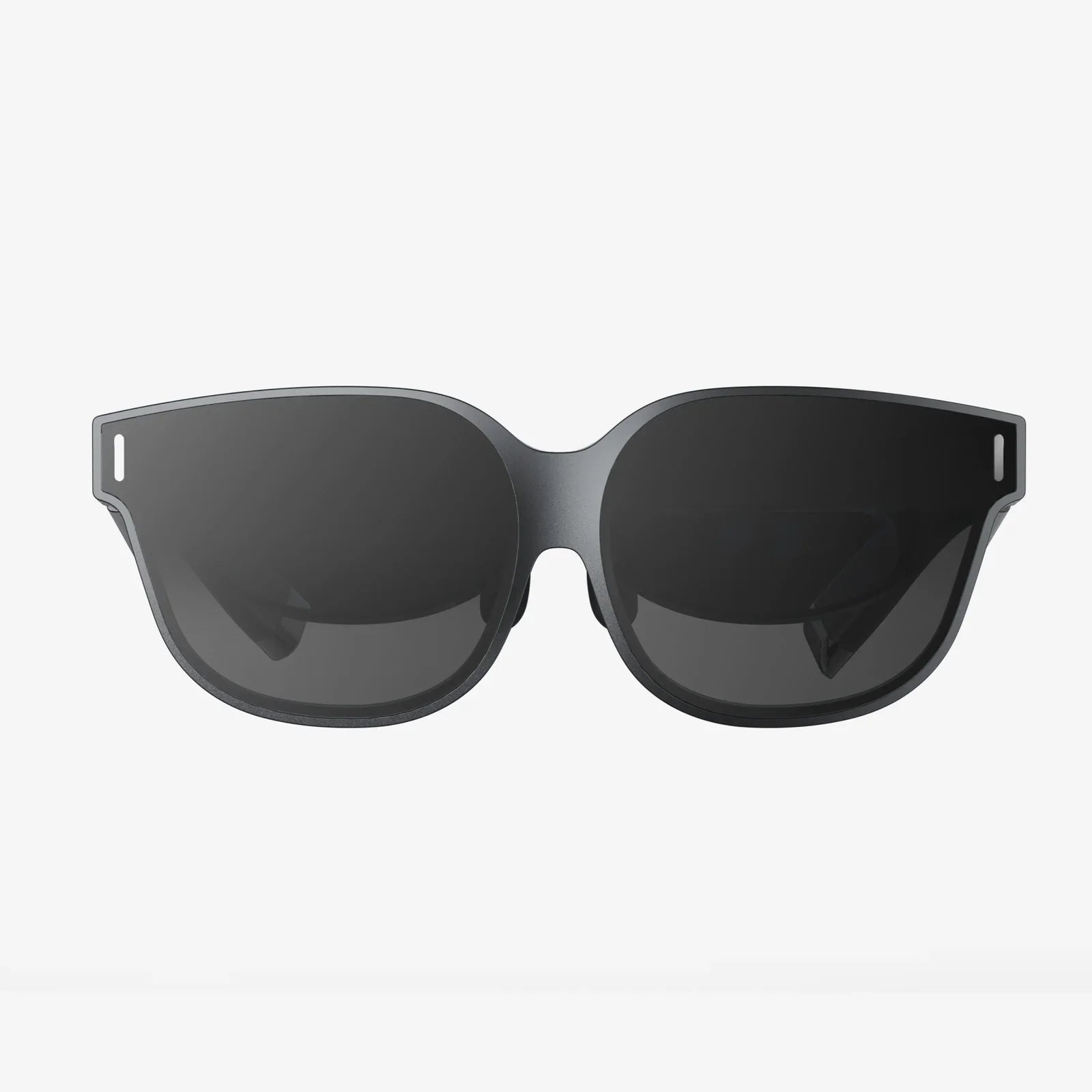
Imagine stepping into a new world, not through a screen, but as if you were truly there. You can walk on the surface of Mars, shrink down to the size of a blood cell, or practice a complex heart surgery—all before lunch. This is the promise of virtual reality, a technology that has vaulted from the pages of science fiction into a powerful tool with the potential to redefine nearly every aspect of our lives. It’s a gateway to experiences previously deemed impossible, and its capabilities are expanding at a breathtaking pace. The question is no longer if VR is viable, but how far its influence will reach.
Transforming the Classroom and the Lecture Hall
Education has long relied on textbooks and two-dimensional images to explain complex, three-dimensional concepts. Virtual reality shatters these limitations, offering an immersive, experiential form of learning that dramatically improves retention and understanding.
Imagine a history lesson where students don't just read about ancient Rome; they can walk through a meticulously reconstructed Forum, hearing the sounds of the crowd and witnessing the scale of the architecture. Biology students can take a journey through the human circulatory system, watching red blood cells flow past them. Astronomy classes can become interstellar voyages, with students navigating the solar system and witnessing the gravitational dance of planets and moons.
This applied, hands-on learning is particularly powerful for skills-based training. Vocational students can practice welding, electrical work, or engine repair in a zero-risk virtual environment, making mistakes and learning from them without wasting materials or risking injury. Medical and dental students can perform countless virtual procedures, gaining invaluable muscle memory and procedural confidence before ever touching a real patient. VR democratizes access to experiences, allowing a student in a remote village to virtually visit the Louvre or conduct a physics experiment in a lab they could never otherwise access.
Revolutionizing Healthcare from Diagnosis to Treatment
The impact of VR in medicine is profound, offering new avenues for treatment, training, and empathy. It is becoming an indispensable tool in the healer's arsenal.
Surgical Planning and Medical Training
Surgeons are using VR to prepare for complex operations. By creating a detailed 3D model from a patient's MRI or CT scans, they can step inside a virtual representation of that specific patient's anatomy. They can navigate around tumors, practice the procedure, and anticipate challenges long before making an incision. This rehearsal leads to shorter operation times, reduced blood loss, and better patient outcomes. For training, it allows medical professionals to practice rare and complex surgeries on virtual patients, creating a large-scale, repeatable training platform.
Pain Management and Physical Rehabilitation
VR is a powerful non-pharmaceutical tool for pain distraction. For patients suffering from severe burn injuries, undergoing wound care is excruciating. By immersing them in a calming, interactive virtual world like a snowy landscape, their brain's attention is redirected, significantly reducing their perceived pain. Similarly, in physical rehabilitation, exercises can be gamified. A patient recovering from a stroke who needs to repetitively move their arm might be immersed in a game where they cook virtual food or stack blocks. This makes the tedious process of recovery more engaging and motivating, leading to better adherence to therapy protocols.
Exposure Therapy for Phobias and PTSD
Psychologists are using controlled VR environments to safely treat phobias like fear of heights (acrophobia), flying (aerophobia), or public speaking. A therapist can gradually and systematically expose a patient to their fear trigger within the safety of a virtual space, allowing them to develop coping mechanisms at their own pace. For veterans suffering from PTSD, VR can be used to carefully recreate traumatic scenarios in a therapeutic context, helping them process and manage their trauma under professional guidance.
Redefining Design, Manufacturing, and Remote Work
In the corporate and industrial world, VR is streamlining processes, saving millions of dollars, and enabling new forms of collaboration.
Architecture, Engineering, and Construction (AEC)
Gone are the days of relying solely on blueprints and 3D models on a screen. Architects and clients can now don a headset and walk through a building before a single foundation is poured. They can experience the scale of a room, test sightlines, and identify design flaws that would have been costly to fix during actual construction. Engineers can assemble and disassemble complex machinery virtually to identify potential maintenance issues or design conflicts. This "virtual prototyping" is revolutionizing design across automotive, aerospace, and consumer product industries.
Virtual Prototyping and Collaboration
Global teams can meet in a persistent virtual office or around a virtual prototype, regardless of their physical location. Instead of looking at a video call grid, colleagues are represented as avatars and can interact with 3D models, data visualizations, and whiteboards as if they were in the same room. This spatial collaboration feels more natural and productive than traditional remote meeting tools and can drastically reduce the need for business travel.
Training for High-Risk Professions
From firefighters and police officers to offshore oil rig workers and pilots, VR provides a safe and realistic training ground for high-stakes professions. Trainees can experience emergency scenarios—a engine fire on a plane, a hostage situation, a malfunction on an oil platform—and practice their response without any real-world danger. This allows for the repetition of rare but critical events, ensuring muscle memory and protocol are deeply ingrained.
Expanding the Horizons of Entertainment and Social Connection
While gaming was the initial driver for consumer VR, its potential for storytelling and socializing is creating entirely new art forms and communities.
Immersive Storytelling and Cinema
VR filmmaking is a new frontier. Unlike traditional movies where the audience is a passive observer looking at a rectangle, VR places the viewer inside the story. You can look anywhere, explore the environment, and become an active participant in the narrative. This creates an unparalleled level of empathy and connection with the characters and the plot. Documentarians are using it to transport viewers to the front lines of humanitarian crises or into the heart of endangered ecosystems, fostering a deeper understanding of global issues.
Live Events and Virtual Tourism
You can have a front-row seat at a concert, a sporting event, or a Broadway show from your living room. VR live streams are becoming more common, offering an immersive alternative for those who cannot attend in person. Similarly, virtual tourism allows people to visit world heritage sites, explore famous museums, or dive on the Great Barrier Reef. This not only provides access for those with physical or financial constraints but also offers a more sustainable way to experience the world's wonders.
The Metaverse and Social Platforms
VR is the foundational technology for the concept of the metaverse—a persistent network of shared virtual spaces. Social VR platforms already exist where people can meet up with friends as avatars, watch movies together, play games, attend virtual classes, or simply hang out. This form of communication captures non-verbal cues like eye contact and gesture in a way that video calls cannot, creating a much stronger sense of "presence" and togetherness, potentially combating loneliness and enabling new forms of long-distance relationships.
The Future is Immersive: Challenges and Possibilities
As with any powerful technology, VR's potential comes with challenges that must be addressed. Issues of data privacy, especially concerning biometric data like eye-tracking, are paramount. The psychological effects of long-term immersion and the blurring of lines between virtual and real are areas of active research. There is also the risk of a digital divide, where access to these transformative experiences becomes a marker of socioeconomic privilege.
Yet, the trajectory is clear. The hardware will continue to become lighter, cheaper, and more powerful. The software and content ecosystems will explode with creativity. The line between the physical and digital worlds will continue to blur through advancements in haptics (touch feedback) and augmented reality integration.
We are standing at the threshold of a new reality. Virtual reality's ultimate capability is to break the fundamental constraints of physical reality: distance, scale, time, and safety. It is a canvas for human imagination, a tool for profound empathy, and a engine for practical innovation. It allows us not just to see information, but to experience it. From healing minds and bodies to designing the future and connecting us across continents, the true answer to 'what can virtual reality do' is limited only by our own creativity. The virtual door is open, and an universe of possibilities awaits on the other side.
Share:
Windows Mixed Reality VR: The Ultimate Guide to Immersive Computing
What Are AR Features: A Deep Dive Into the Digital Layer Over Our World