


- by wangfred
Windows Mixed Reality VR: The Ultimate Guide to Immersive Computing
- by wangfred
Imagine stepping through a portal into another world, where the boundaries of your physical room dissolve into limitless digital landscapes. This is the promise, the sheer magic, of virtual reality, and for millions, the gateway to this experience has been a platform known as Windows Mixed Reality. More than just a gaming peripheral, it represents a bold vision for the future of computing, social interaction, and creative expression. This deep dive will explore every facet of this technology, from the sleek, inside-out tracking headsets to the vast possibilities of the Windows Mixed Reality ecosystem, revealing why it remains a pivotal force in the journey towards truly immersive computing.
The term "Mixed Reality" can be initially confusing. It doesn't refer to a single type of experience but rather to a spectrum that encompasses both Virtual Reality (VR) and Augmented Reality (AR). On one end, VR immerses you completely in a digital environment. On the other, AR overlays digital information onto your real-world view. Windows Mixed Reality is a platform designed to handle the entire spectrum.
At its core, Windows Mixed Reality is a platform built into the Windows operating system. It provides the foundational software and drivers that allow compatible hardware—headsets and motion controllers—to function seamlessly with a computer. This integrated approach means that instead of relying on complex third-party software and external sensors, the system is designed to be more plug-and-play. The key differentiator for most Windows Mixed Reality headsets is their use of "inside-out" tracking.
Traditional, external sensor-based VR systems require the user to set up multiple units around their play area. These units, often called "lighthouses" or "sensors," constantly track the position of the headset and controllers. Windows Mixed Reality headsets flipped this model on its head. They have cameras built directly into the headset itself. These cameras look outward at your environment, tracking recognizable features in your room to understand the headset's position in space. This is the "inside-out" part: the tracking is done from inside the headset, looking out.
This technology offers significant advantages. Setup is incredibly simplified; there are no external sensors to mount and connect. Portability is greatly enhanced; you can easily take your headset to a friend's house and have it working in minutes. It reduces cable clutter and the need for a permanent, dedicated VR space. The controllers are tracked by these same headset cameras, using a constellation of LEDs to determine their precise location and orientation.
The Windows Mixed Reality platform is supported by a range of hardware partners, who have created a variety of headsets. While each has its own slight design variations, they all share common DNA defined by the platform's specifications.
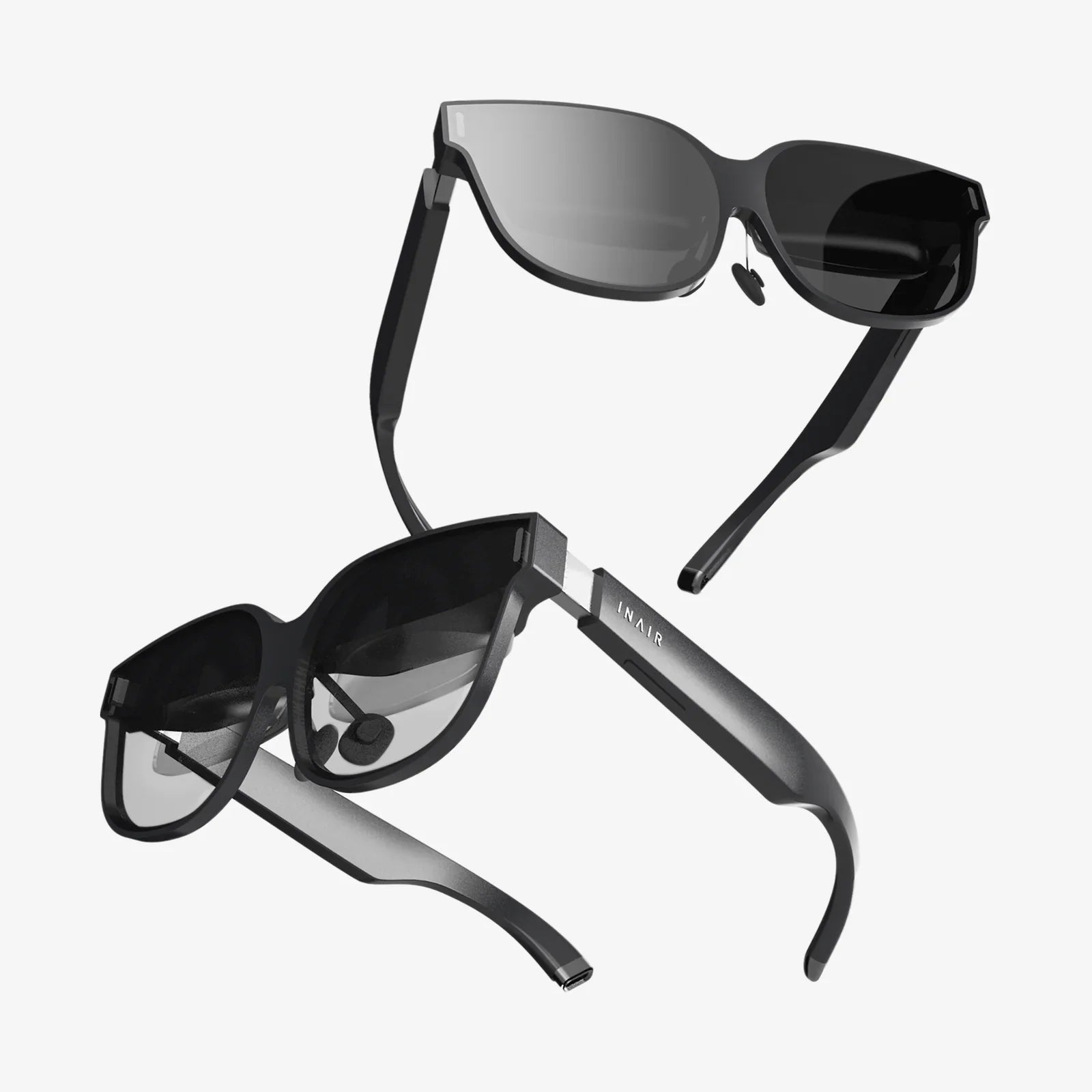
Most headsets feature twin high-resolution LCD displays, offering a combined resolution that often exceeds that of many early competing VR systems. This results in a sharper image with reduced "screen door effect" (the visible lines between pixels). A key physical feature is the flip-up visor. Unlike headsets that must be entirely removed, many of these allow you to simply flip the visor up to instantly return to the real world, which is incredibly convenient for checking your phone or having a quick conversation.
The motion controllers are a integral part of the experience. They are designed to be ergonomic and intuitive, featuring a thumbstick, a touchpad, grip button, trigger, and menu button. They are paired directly with the computer, and their tracking is handled by the headset's cameras, making them entirely self-contained units.
Booting into Windows Mixed Reality for the first time is an event. Users are greeted by the "Cliff House," a default virtual environment that serves as your home base. This is not just a pretty backdrop; it's a functional, immersive version of your computer's desktop. The Cliff House features virtual screens that can be pinned anywhere in the 3D space, allowing you to run and view your traditional desktop applications—web browsers, video players, productivity software—on massive, theater-sized displays.
You can customize this space with apps, games, furniture, and even panoramic photos. It's a demonstration of the "mixed" reality philosophy: blending the familiar (your desktop apps) with the immersive (a 3D virtual environment). Beyond the Cliff House, the platform also offers other environments to explore, but its true power lies in launching you into fully immersive VR experiences.
While gaming is the most famous application for VR, Windows Mixed Reality opens the door to a much wider array of experiences, thanks to its deep integration with the Windows ecosystem.
For gamers, the platform is a dream. It has full access to a huge library of titles on major digital distribution platforms. This includes everything from frantic rhythm games where you slash notes to the beat, to intricate puzzle games that take place entirely in immersive 3D, to heart-pounding horror experiences that are genuinely terrifying. The motion controllers provide intuitive input, letting you swing swords, draw bows, manipulate objects, and paint in 3D space. The high resolution of the displays makes text legible and distant objects clearer, enhancing gameplay across many genres.
This is where the vision of Windows Mixed Reality truly shines. Imagine architects walking clients through a 1: scale model of a building before a single brick is laid. Engineers can examine 3D prototypes from every angle, identifying potential issues in the design phase. The ability to pin multiple applications around you in a virtual space is a paradigm shift for multitasking. A developer could have documentation on a virtual screen to their left, their code editor in front, and a communication app on their right, all while blocking out distractions from the physical world.
VR is becoming increasingly social. Platforms within the Windows Mixed Reality ecosystem allow you to meet friends, family, and colleagues in virtual spaces as customizable avatars. You can watch movies together in a virtual cinema, attend live events and concerts, or simply hang out and chat in incredible environments, from the bottom of the ocean to the surface of Mars. Furthermore, applications allow you to explore the world through 360-degree videos and photos, visiting famous landmarks and natural wonders with a sense of presence that flat screens cannot provide.
No technology is perfect, and it's important to understand the limitations. The inside-out tracking, while convenient, has its constraints. The controllers must be within the field of view of the headset's cameras to be tracked precisely. If you hold your hands directly behind your back or too close to your body, the system may lose tracking and rely on inertial sensors until the cameras can see them again. This can be an issue in games that require elaborate motions behind the player.
Furthermore, while setup is simpler than external sensor systems, a quality VR experience still demands a relatively powerful computer with a compatible graphics card and multiple available ports. Users must also be mindful of cable management and ensuring they have a clear play area to avoid accidents.
The trajectory of Windows Mixed Reality is intrinsically linked to the broader evolution of computing. The current technology, while impressive, is still a stepping stone. The future points towards several key developments.
We are moving towards higher-resolution displays, wireless functionality, and wider fields of view that will eliminate the remaining visual barriers to immersion. Eye-tracking and facial expression tracking will make social interactions in VR far more nuanced and realistic. The most exciting frontier is the true blending of AR and VR into a single device—a headset that can be either fully opaque for virtual immersion or transparent to overlay digital objects onto your living room. This would finally realize the full, original meaning of "Mixed Reality."
As the hardware evolves and becomes more accessible, and as developers continue to push the boundaries of what's possible, the line between interacting with a computer and living inside a computation will continue to blur. The concepts pioneered by this platform will form the foundation for the next major shift in human-computer interaction.
The journey into virtual worlds is no longer a fantasy confined to science fiction. With a headset powered by Windows Mixed Reality, that power is available today, sitting on a desk, waiting to be unlocked. It offers a glimpse into a future where our digital and physical lives are not separate domains, but a continuous, blended experience limited only by imagination. The portal is open; the only question left is what you will create when you step through it.