


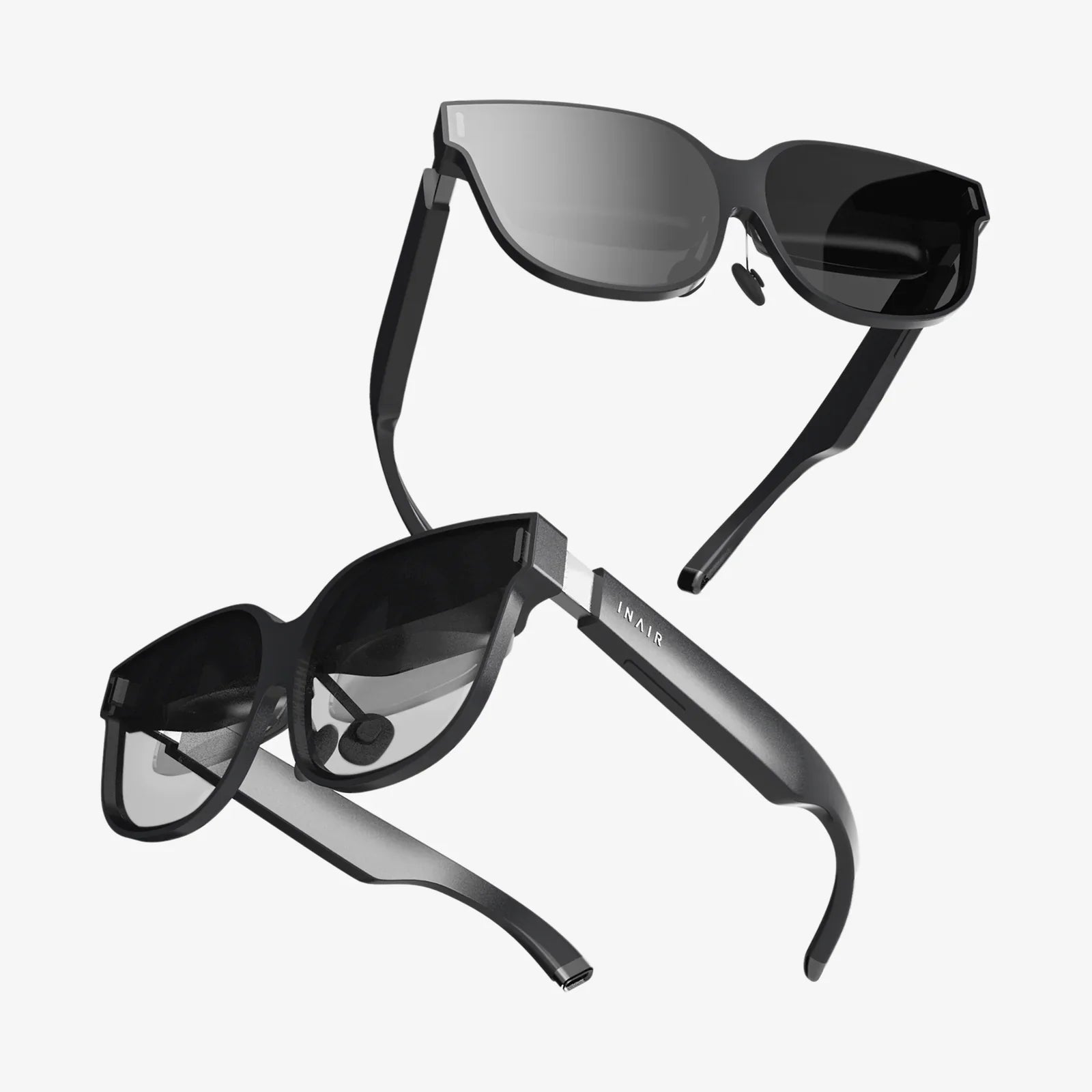
Imagine strapping a portal to another dimension onto your face. A device that can transport you to the summit of Mount Everest, the depths of the ocean, the cockpit of a starfighter, or a classroom of the future, all from the comfort of your living room. This is the promise and the power of the modern virtual reality headset. It’s a piece of technology that has evolved from a sci-fi fantasy into a tangible, increasingly accessible gateway to experiences that defy the limits of physical space and human perception. The question is no longer if VR is possible, but what can you do with a virtual reality headset? The answer is as vast and varied as human imagination itself, stretching far beyond the initial allure of video games into nearly every facet of our lives.
Stepping Into New Worlds: Gaming and Entertainment
For many, the journey into VR begins with entertainment, and it remains one of the most compelling and developed sectors. This is where the magic of presence—the feeling of actually being inside a digital world—is most profoundly felt.
The Ultimate Immersive Gaming Experience
Gaming in VR is a paradigm shift. Unlike traditional screen-based games, you are not controlling a character; you are the character. Your physical movements are directly translated into the game world. Ducking behind cover, swinging a sword, carefully aiming a bow, or solving a puzzle by physically manipulating objects—these actions create a level of engagement and adrenaline that is simply unmatched. Genres like horror become intensely personal and terrifying, flight simulators offer breathtaking authenticity, and rhythm games turn into a full-body workout. The headset tracks your head and hand movements, creating a visceral feedback loop that makes the virtual world feel tangible and real.
Beyond Gaming: Cinematic Experiences and Live Events
The entertainment value extends beyond interactive games. Imagine watching a movie on a giant IMAX screen that exists only for you, regardless of your physical location. VR cinemas allow you to do just that, sometimes alongside the avatars of friends. Furthermore, filmmakers are creating native 3D 360-degree videos, placing you at the center of the narrative. You can turn your head and explore the scene, becoming an active participant in the story. This medium is also revolutionizing live events. Through VR, you can secure a front-row seat at a concert by your favorite artist, feel the energy of a major sporting event, or attend a prestigious lecture or conference, all without booking a flight or a hotel. It democratizes access to experiences that were once limited by geography and cost.
Transforming Knowledge: Education and Training
Perhaps one of the most impactful applications of VR is in the realm of education and training. The technology offers a powerful tool for experiential learning, where students and professionals can learn by doing in a safe, controlled, and repeatable environment.
Revolutionizing the Classroom
Textbooks and videos can describe ancient Rome, but VR can take you there. Students can take a guided tour through historically accurate recreations of the Colosseum, walk the streets of a Viking village, or witness a pivotal moment in history unfold around them. This fosters a deeper, more empathetic understanding of the subject matter. Similarly, biology students can take a journey through the human bloodstream, astronomy students can navigate the solar system, and geology students can witness volcanic eruptions from a safe, virtual distance. This learning model caters to visual and kinesthetic learners and makes complex abstract concepts concrete and memorable.
High-Stakes Skill Development
In professional fields, VR training is saving money, resources, and potentially lives. Surgeons can practice intricate procedures on virtual patients without any risk. Aspiring pilots can log hours in highly realistic flight simulators that mimic various weather conditions and emergency scenarios. Mechanics can learn to repair complex machinery, and warehouse employees can optimize their packing routes. This type of training allows for perfect repetition, immediate feedback, and the freedom to make mistakes—a crucial part of the learning process—without any real-world consequences. It accelerates skill acquisition and builds muscle memory and confidence.
Healing and Empathy: Healthcare and Therapy
The healthcare industry is embracing VR not just for training, but also for direct patient treatment and therapy, demonstrating the technology's profound capacity for healing both the body and the mind.
Physical Rehabilitation and Pain Management
Physical therapy can be a long and monotonous process. VR introduces an element of fun and engagement by turning exercises into games. A patient recovering from a stroke might be tasked with popping bubbles or slicing fruits in VR, which encourages them to perform the repetitive motions needed for recovery. This "gamification" increases motivation and adherence to treatment plans. Furthermore, VR is a remarkably effective tool for pain management. By immersing burn victims in a calming, icy virtual landscape like SnowWorld, studies have shown that patients report significantly reduced pain levels during wound care. The immersive experience distracts the brain's pathways from processing pain signals.
Mental Health and Exposure Therapy
For mental health, VR exposure therapy (VRET) is a breakthrough. Therapists can gradually and safely expose patients to the sources of their phobias—such as fear of heights, flying, public speaking, or spiders—within the virtual world. The patient knows they are in a safe environment, but their brain and body react as if the threat is real, allowing them to practice coping mechanisms and desensitize themselves in a controlled setting. VR is also being used to treat PTSD, allowing veterans to process traumatic memories, and to practice mindfulness and meditation in serene, guided virtual environments.
Redefining Connection: Social Interaction and Collaboration
Despite its isolating appearance, VR has the potential to be a deeply social technology, fostering connection and collaboration in ways that video calls and text chats cannot.
The Rise of Social VR Platforms
Dedicated social VR platforms allow users to create avatars and interact with people from around the world in shared virtual spaces. You can play games, watch movies, attend virtual classes, or simply hang out and chat around a digital campfire. The key is the sense of shared presence; you can make eye contact, use hand gestures, and have spontaneous conversations with others who feel like they are right there in the room with you. This can combat loneliness and create communities based on shared interests rather than physical proximity.
Virtual Workspaces and Design Collaboration
The corporate world is exploring VR for remote collaboration. Instead of a flat video conference, teams can meet in a virtual boardroom, interact with 3D models of products they are designing, brainstorm on virtual whiteboards, and manipulate data visualizations in three dimensions. Architects and engineers can walk clients through a building design long before ground is broken. This spatial collaboration can lead to more intuitive understanding, faster iteration, and a stronger sense of team cohesion compared to traditional remote work tools.
Unleashing Creativity: Art, Design, and Content Creation
VR is not just a medium for consumption; it is a powerful canvas for creation. It provides artists, designers, and hobbyists with entirely new tools to express their vision.
Sculpting in Infinite Space
Applications allow artists to paint and sculpt in three dimensions. You are no longer limited to a 2D screen; you can walk around your creation, literally step inside it, and manipulate virtual clay, light, and sound with intuitive motion controls. This is revolutionizing fields like sculpture, industrial design, and character modeling. Fashion designers can drape virtual fabrics on avatars, and interior designers can furnish and explore a room at full scale before purchasing a single piece of furniture.
Storytelling and Filmmaking
For filmmakers and storytellers, VR presents a new narrative language. How do you tell a story when the audience can look anywhere? This challenge is leading to innovative techniques in immersive journalism, where viewers can experience a news story from within, and in narrative filmmaking, where the viewer becomes an active participant in the plot. The line between creator and audience begins to blur, opening up unprecedented forms of interactive storytelling.
The Practical and the Everyday
Beyond these grand applications, VR is finding uses in more practical, everyday scenarios. Virtual tourism allows those with physical or financial limitations to explore world landmarks. Real estate agents offer virtual property tours, enabling potential buyers to walk through homes remotely. Retailers are developing virtual showrooms where you can see a life-sized version of a new car or see how a sofa might look in your actual living room through passthrough AR features. Fitness is another massive growth area, with apps providing immersive, instructor-led workouts in engaging environments that make exercise feel less like a chore.
The Future is Now, and It's Virtual
The journey of virtual reality is just beginning. The technology continues to advance at a rapid pace, with improvements in display resolution, field of view, haptic feedback, and wireless capability making it more comfortable and convincing than ever. The potential integration with augmented reality (AR) will further blur the lines between our physical and digital lives. The question of what you can do with a VR headset will have new, even more astonishing answers as developers continue to push the boundaries of this transformative technology.
From the depths of the ocean to the edges of the known universe, from the operating room to the artist's studio, the virtual reality headset is your ticket to a universe of experiences waiting to be explored. It’s a tool for play, for work, for healing, and for connection—a testament to human ingenuity that is actively reshaping how we learn, create, and interact with the world and with each other. The headset is no longer just a peripheral; it is a gateway, and on the other side lies a new layer of reality, limited only by what we dare to imagine.
Share:
How Does Virtual Reality Affect the Environment: The Hidden Digital Footprint
Tell Me About Virtual Reality: A Journey Into The Digital Frontier