


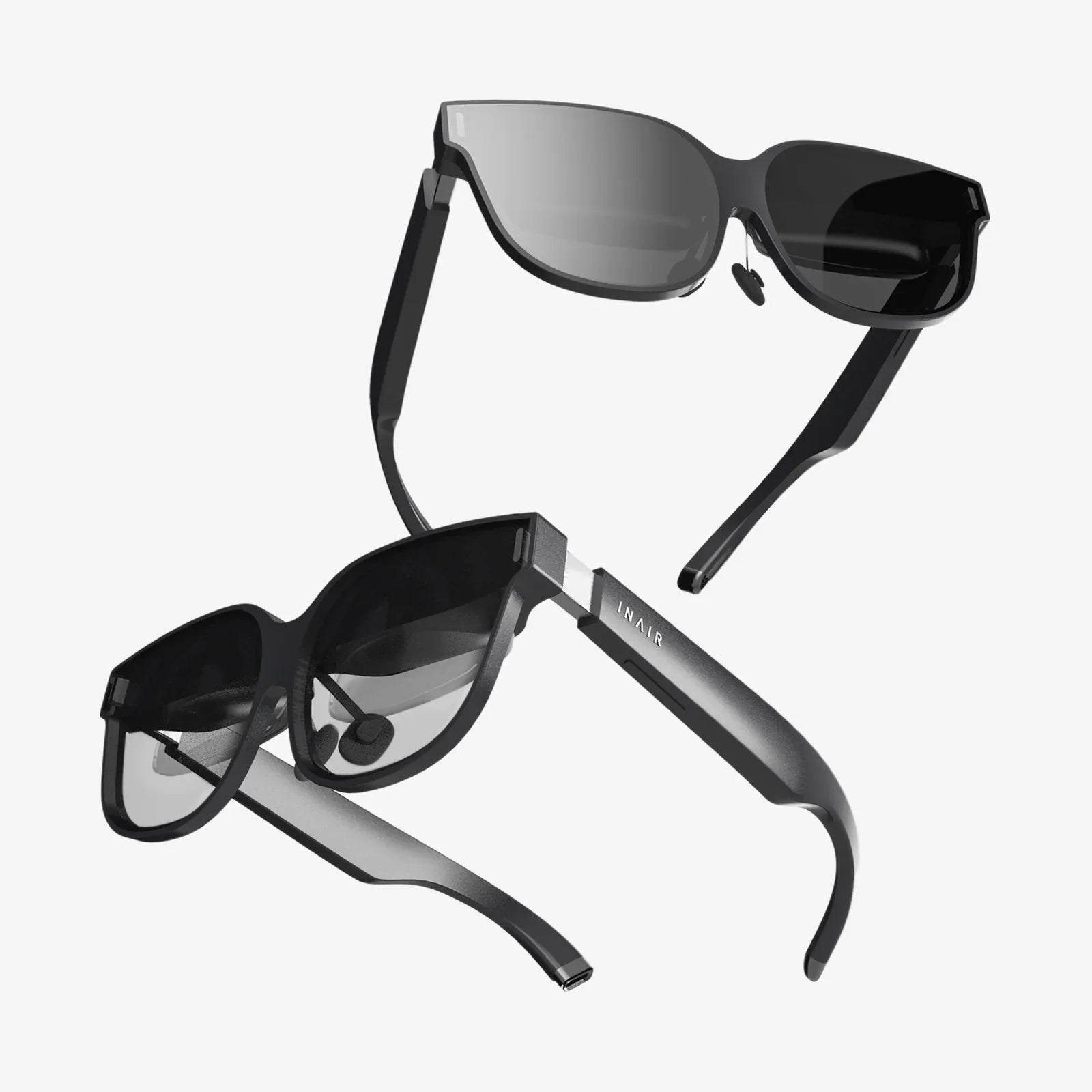
Imagine not just watching a story, but stepping inside it. The world around you dissolves, replaced by a digital realm that feels tangibly real. You’re no longer a passive observer on your couch; you’re an active participant in the narrative, your every glance and movement a part of the experience. This is the revolutionary promise of modern virtual reality goggles, a portal to entertainment possibilities that stretch far beyond the flat screen. The question isn't whether there's anything to watch, but rather, where in this infinite multiverse of content do you even begin?
A New Dimension in Filmmaking: Cinematic Experiences
The most direct translation from traditional media to VR is in the realm of video content. However, the experience is anything but traditional.
360-Degree Videos
This is the gateway drug to VR content. Unlike standard video, 360-degree videos place you at the center of the action. You can look up, down, and all around you. The director frames the scene, but you choose your perspective. This format is perfect for:
- Documentaries and Travelogues: Stand on the edge of an active volcano, swim with great white sharks, or witness the majesty of the northern lights from the Arctic Circle. Nature and travel content is transformed from a viewing experience into a visceral, awe-inspiring visit.
- Music Videos and Concert Films: Find yourself on stage with your favorite band, surrounded by the energy of the performance. Or be front row at a massive music festival, able to turn and see the crowd roaring behind you. It’s the closest thing to a live ticket without leaving home.
- News and Journalism: Major news organizations have used 360-video to bring viewers into the heart of important stories, from refugee camps to political rallies, fostering a deeper sense of empathy and understanding.
Volumetric and Interactive Films
This is where VR cinema truly diverges from its flat-screen ancestor. Volumetric films use special cameras to capture performances in a three-dimensional space, allowing you to walk around digital actors. Interactive narratives take this further, presenting you with choices that alter the story's outcome. You're not just watching a character open a door; you are the one reaching out to turn the knob. These experiences range from short narrative pieces to full-length features that blur the line between cinema and video game.
The Frontier of Storytelling: Native VR Narratives
Beyond adapted video formats, a new art form has emerged: stories conceived and built from the ground up for virtual reality. These experiences leverage the unique properties of VR to create profound emotional connections.
Animated and CGI Stories
Animation in VR is a breathtaking spectacle. You are transported into beautifully crafted animated worlds, able to lean in and examine intricate details. The sense of presence and scale is unparalleled—a giant robot feels truly gigantic, and a tiny fairy feels delicately small. These narratives often use your presence as a core mechanic; a character might make eye contact with you, or the story might pause, waiting for you to discover a key object hidden in the environment.
Social VR Experiences and Theater
Entertainment becomes a shared adventure in social VR platforms. You and your friends, represented by customizable avatars, can enter virtual movie theaters to watch 2D, 3D, or 360-degree content together, reacting and chatting as if you were in the same room. Furthermore, dedicated VR theater companies produce live and pre-recorded plays performed in virtual spaces. You might have the best seat in the house, or you might find the action happening all around you, requiring you to turn and engage with the performers.
Beyond the Screen: Live Events and Spectacles
VR is erasing geographical barriers to live entertainment. Major players in sports and music now offer VR streaming options.
Front Row at Global Events
Subscribe to a sports service and you can be placed courtside at an NBA game, pitch-side at a Premier League match, or even have a virtual seat inside a racing car. The audio puts you in the midst of the roaring crowd and the squeaking sneakers. Similarly, live concerts in VR are becoming more common, offering exclusive camera angles and backstage access that physical attendees could only dream of. The sense of "being there" is incredibly powerful, making you feel connected to a global community of fans in real-time.
Thrill Rides and Spectacles
For those seeking adrenaline, VR offers a library of intense experiences. You can ride a roller coaster that defies the laws of physics, soar through alien canyons on a wingsuit, or even experience a meticulously recreated space shuttle launch. These curated "experience apps" are designed for short, intense bursts of fun and are perfect for demonstrating the power of VR to first-time users.
The Ultimate Escape: Gaming and Interactive Worlds
While gaming is a massive topic unto itself, it represents a huge portion of "watchable" and experiential content in VR. Many narrative-driven games are essentially playable movies where you are the protagonist. You explore vast, environmental stories, solve puzzles in mysterious worlds, and engage in epic adventures. Even for those who don't consider themselves "gamers," these interactive worlds are some of the most compelling reasons to own a headset, offering dozens of hours of exploration and engagement.
Expanding Your Mind: Educational and Cultural Content
VR is perhaps the most powerful educational tool ever invented. It allows for experiential learning that is impossible through any other medium.
Virtual Travel and History
Applications allow you to take guided tours of the world's most famous museums, examining sculptures and paintings from inches away. You can walk through digitally reconstructed ancient cities like Rome or Athens at the peak of their power, or even step inside a human body to explore its systems. This isn't just reading about history or biology; it's living it.
Scientific Visualization and Space Exploration
Journey to the center of a cell, witness the birth of a star, or stand on the surface of Mars based on real satellite data. VR allows scientists to model complex data in intuitive, three-dimensional forms, and the public gets to come along for the ride. Space agencies have released experiences that let you join a rover on the Red Planet or experience a spacewalk outside the International Space Station.
A Universe of User-Generated Content
The metaverse concept, while evolving, is currently populated by several robust social VR platforms. Within these spaces, users are constantly creating and sharing their own content. You can attend a user-hosted talk show, watch an impromptu dance performance in a virtual club, explore breathtaking art installations built by fellow users, or simply hang out in a beautifully crafted virtual world and people-watch. The content here is endless, dynamic, and driven by the creativity of the community.
The true magic of VR goggles lies in their ability to transform the concept of watching into something entirely new: experiencing, participating, and living. From the curated thrill of a blockbuster VR film to the quiet wonder of exploring a distant planet, the content library is vast, diverse, and growing every day. It’s a medium that demands your attention not by asking you to stare at a rectangle, but by inviting your entire being into its world. This isn't the future of entertainment—it's a vibrant, exciting, and deeply immersive present, waiting for you to put on a headset and dive in.
Share:
Cheap Digital Products: The Ultimate Guide to Smart Spending in the Tech World
Index AR: The Invisible Interface Revolutionizing Our Digital and Physical Worlds