


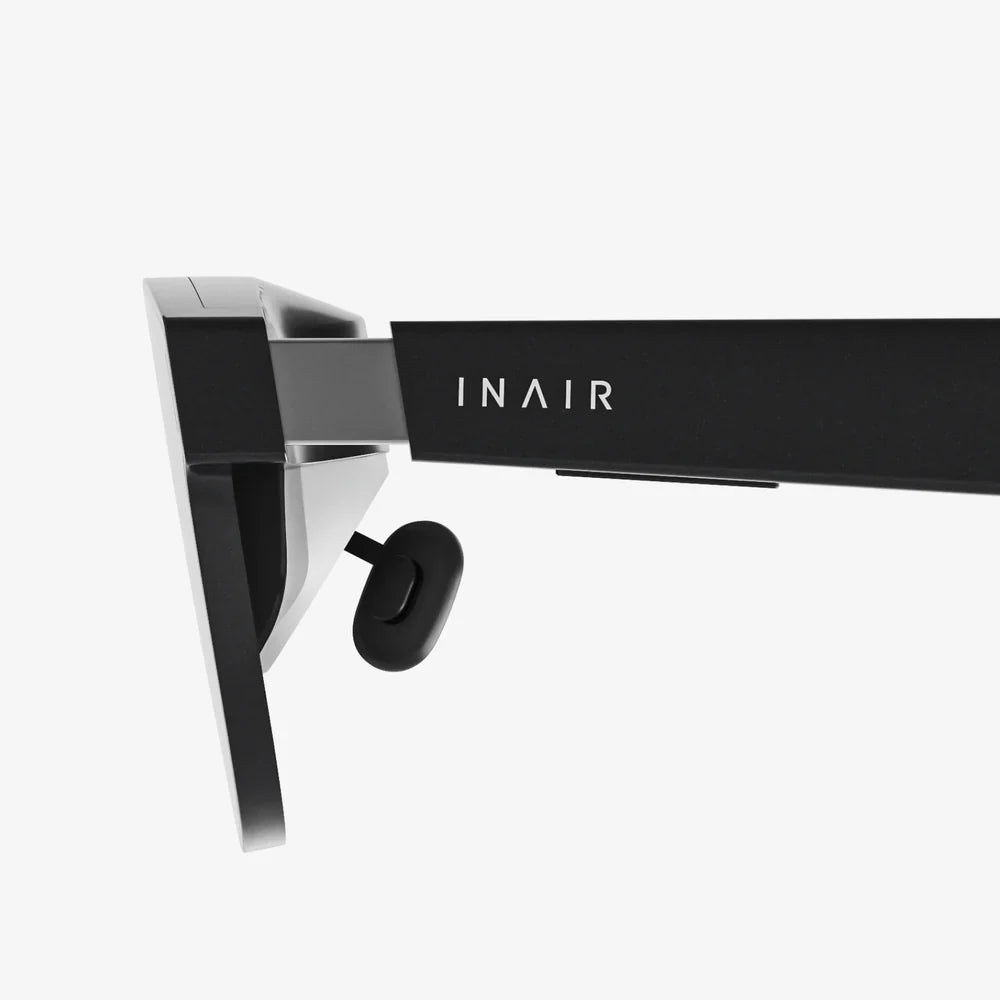
You’ve seen the ads, heard the buzz, and maybe even held the sleek, futuristic device in your hands. The promise is immense: a ticket to other worlds, a window into the impossible, a machine that can transform your living room into any environment imaginable. But the question remains, pressing and practical once the box is opened: what do you *do* with a virtual reality headset? The answer is as vast and varied as human experience itself, stretching far beyond the initial assumption of video games into realms of creativity, productivity, connection, and self-improvement. This isn't just about what you play; it's about how you live, learn, and see the world anew.
Diving Into Digital Realms: The Obvious and the Extraordinary in Gaming
Let’s start with the application that first captured the world's imagination: gaming. VR gaming is not merely playing a game; it is embodying a character and inhabiting a universe. The controller disappears, replaced by your own hands—your gestures, your aim, your reactions.
You are no longer a spectator but an active participant in the narrative. One moment you might be cautiously navigating a derelict spaceship, your own breath hitching as a shadow flickers in the corridor, the audio design so precise you can pinpoint the scrape of a claw behind you. The next, you could be standing atop a mountain, drawing a bowstring taut with your own arms, feeling the virtual strain in your muscles as you line up a shot at a distant target. This is immersive gameplay at its most fundamental and thrilling.
The genres are diverse. You can engage in heart-pounding rhythm games where you slash incoming blocks in time with pulsing music, a full-body workout disguised as a dance party. You can step into the shoes of a pilot in a space simulator, physically reaching out to flip switches and guide your starfighter into battle. Or you can enjoy more tranquil experiences, like solving intricate environmental puzzles that require you to physically manipulate your surroundings. The key differentiator is presence—the powerful, often jarring, sensation that you are truly somewhere else.
A Private Theater in the Cosmos: Revolutionizing Media Consumption
Beyond gaming, the VR headset is a formidable media consumption device. Imagine a cinema screen of impossible size, hovering in the void of space or atop a serene virtual beach. This is the promise of VR film and video. You can watch traditional 2D movies, but the experience is transformed by the scale and isolation from distractions. However, the true magic lies in native VR content.
360-degree videos place you at the center of the action. You can stand on the stage during a concert, swiveling your head to see the band and the roaring crowd all around you. You can dive with great white sharks, following them as they glide past, mere feet from your face. Documentary filmmakers use this technology to create profound empathy, allowing you to witness life in a refugee camp or walk through ancient historical sites as if you were there.
Furthermore, social viewing platforms allow you to share this experience. You and friends, each in their own physical homes, can join a virtual theater, represented by customizable avatars. You can sit together, chat, and react to a movie as if you were side-by-side, blending the digital and social into a uniquely modern form of gathering.
Sweat and Sculpt: The Unlikely Fitness Revolution
One of the most surprising and impactful answers to "what do you do with a VR headset?" is: you get in the best shape of your life. VR has ignited a fitness revolution by making exercise irresistibly fun. Exergaming apps are designed specifically to get your heart rate soaring.
You might find yourself in a neon-drenched dojo, ducking, weaving, and punching incoming obstacles to a thumping soundtrack. Another session could have you wielding two blades, slicing through targets with precise movements that work your arms, core, and shoulders. Because you are engaged and visually stimulated, the time flies by. The dreaded hour on a treadmill is replaced by 30 minutes of exhilarating gameplay that leaves you drenched in sweat and eager for more. These applications often include detailed metrics, tracking calories burned, swing accuracy, and progress over time, gamifying fitness in a way that traditional routines often fail to do.
Building and Creating in Infinite Space
VR is not just for consumption; it is a powerful tool for creation. VR art applications give you a palette of light and a canvas as large as the universe. You can paint in three dimensions, walking around and through your creations. Sculptors use VR to model intricate pieces from every angle, as if touching digital clay. Architects and designers walk clients through full-scale models of unbuilt homes, allowing for changes in real-time. This spatial creativity is liberating, removing the constraints of a mouse and monitor and allowing intuition and spatial reasoning to guide the process.
This extends to music as well. Virtual studios allow you to manipulate synthesizers, drum machines, and mixers in a tactile, intuitive 3D environment, composing tracks by reaching out and twisting virtual knobs. The barrier between the idea in your head and its tangible expression becomes thinner, making VR an incredible sandbox for artists of all disciplines.
Learn by Being There: Education and Virtual Travel
Imagine studying human anatomy by walking through a giant, beating heart. Or learning about ancient Rome by strolling through a faithfully reconstructed Forum, listening to a virtual guide. This is the power of VR in education. It transforms abstract concepts into tangible, explorable experiences.
Students can take field trips to the bottom of the ocean, the surface of Mars, or the inside of a volcano—all before lunch. Medical students can practice complex procedures on virtual patients, making mistakes without consequence and mastering technique in a risk-free environment. Historical events can be witnessed firsthand, fostering a deeper understanding and connection than any textbook could provide.
Similarly, for the curious mind, VR is the ultimate travel machine. You can stand on the edge of the Grand Canyon, visit the pyramids of Giza, or wander the streets of Tokyo. While it doesn't replace the real thing, it offers unparalleled access and previews to destinations around the globe, and for those with physical or financial limitations, it provides a profound alternative to experience the world's wonders.
The New Social Network: Presence and Connection
In an era of digital connection, VR offers something unique: a sense of shared presence. Social VR platforms are virtual spaces where people meet, not through text or a flat video feed, but as embodied avatars. You can hang out in a virtual lounge, play board games around a table, attend a live comedy show, or simply chat with friends from across the globe. The communication is nuanced—you can make eye contact, use hand gestures, and experience body language, capturing a layer of human interaction that other digital mediums strip away.
This has incredible implications for remote work. Instead of a grid of faces on a video call, teams can meet in a virtual conference room around a whiteboard they can all draw on, or collaborate on a 3D model as if it were physically in the room with them. This "being there together" feeling can combat the isolation of remote work and foster a stronger, more cohesive team dynamic.
Professional Powerhouse: VR in the Workplace
The applications extend deep into the professional world. Automotive companies use VR to design and prototype new cars, examining ergonomics and aesthetics long before a physical model is built. Surgeons plan complex operations by first practicing on a detailed VR reconstruction of a patient's anatomy. Real estate agents conduct virtual tours for remote buyers, who can walk through a property at their own pace. Engineers and architects visualize complex data and structural models in 3D, identifying potential issues that might be missed on a 2D screen. In these contexts, the VR headset is not an entertainment device but a critical tool for innovation, safety, and efficiency, saving time, resources, and lives.
Mind and Body: Therapeutic and Mindfulness Applications
The immersive quality of VR is being harnessed for profound therapeutic benefits. Therapists use controlled VR environments to treat phobias like fear of heights or flying, allowing patients to confront their anxieties in a safe, gradual manner. It's used for exposure therapy for PTSD, and for managing chronic pain by redirecting the brain's attention.
On a more everyday level, VR is a portal to tranquility. Mindfulness and meditation apps can transport you to a peaceful beach at sunset, a quiet forest glade, or even the edge of the galaxy. Guided meditations in these environments help users disconnect from the stress of their physical surroundings and achieve a deeper state of relaxation. It is a digital sanctuary, always available at a moment's notice.
So, what do you do with a virtual reality headset? You wield a key. It is a key that unlocks doors to unimaginable adventures, to new forms of art and expression, to deeper connections with others, and to a better understanding of our world and ourselves. It is a fitness coach, a time machine, a paintbrush, a concert hall, and a therapist's office. It is a window limited not by its glass, but only by the breadth of your curiosity. The real question is no longer what you can do with it, but what incredible thing you will do first.
Share:
Three Types of Virtual Reality: A Deep Dive into Immersive Digital Worlds
What Does XR Mean? Virtual Reality and the Spectrum of Immersive Technology