


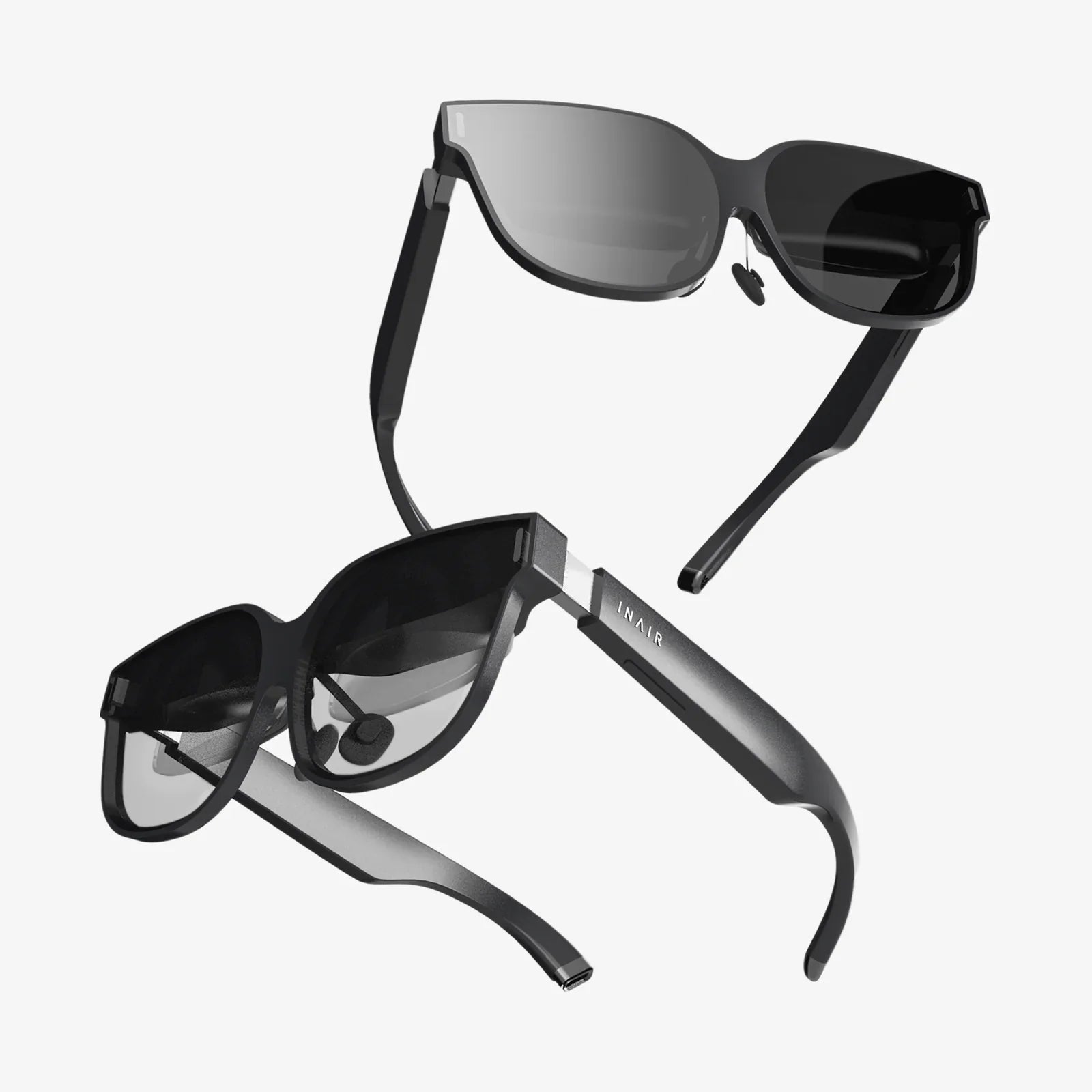
You’ve seen the promises: strap on a headset and be transported to another world, from the depths of the ocean to the far reaches of space. The hype is real, but the question remains, burning in the mind of every curious newcomer and seasoned tech enthusiast alike—what is the *best* virtual reality experience, and how do you find the one that’s truly right for you? The answer is far more nuanced than a simple product name. It’s a puzzle where the pieces are made of resolution, field of view, tracking precision, software ecosystems, and, most importantly, your own expectations. This isn't about crowning a single champion; it's about equipping you with the knowledge to become the hero of your own digital odyssey and discover the VR setup that will make you forget the real world entirely.
Deconstructing the Dream: What Makes a VR Experience "Best"?
Before we can compare, we must define our terms. "Best" is a subjective metric, especially in a field as immersive and personal as virtual reality. For one person, the best system is the one with the crystal-clear image for watching immersive films. For another, it's the setup with flawless, full-body tracking for competitive esports. For a third, it might be the completely wireless, hassle-free device for family fun. Therefore, we must break down the concept of "best" into a set of core pillars that collectively define quality in the virtual realm.
The Pillar of Visual Fidelity: Seeing is Believing
The window into any virtual world is the display housed within the headset. This is where the magic of presence—the feeling of actually being somewhere else—either flourishes or fails. Several technical factors contribute to visual fidelity:
- Resolution and PPD (Pixels Per Degree): While manufacturers often tout a single high-resolution number (e.g., 1920x2160 per eye), a more meaningful metric is PPD. This measures the pixel density across your field of view. A higher PPD means a sharper, clearer image with less noticeable "screen door effect" (the faint grid-like lines between pixels). The best VR visuals are those where the image is so crisp that you forget you're looking at a screen.
- Field of View (FoV): This is the extent of the observable world seen at any given moment, measured in degrees. A narrow FoV can feel like looking through binoculars or a scuba mask, constantly reminding you of the headset's limitations. A wider FoV, often exceeding 100 degrees, enhances immersion by filling more of your peripheral vision, making the virtual environment feel vast and natural.
- Refresh Rate: Measured in Hertz (Hz), this is how many times per second the image on the screen is refreshed. A higher refresh rate (90Hz, 120Hz, and now even 144Hz) leads to smoother motion, which is critical for fast-paced games and overall comfort. Low refresh rates can contribute to simulation sickness and a less convincing experience.
- Lens Technology and Sweet Spot: The quality of the lenses between your eyes and the display is paramount. Advanced lens designs, like pancake lenses, allow for slimmer headset profiles and reduce visual artifacts like god rays (glare around high-contrast objects). The size of the "sweet spot"—the area where the image is perfectly in focus—also varies. A large sweet spot makes the headset more comfortable to use, as you don't have to constantly readjust it to maintain clarity.
The Pillar of Interaction: Your Hands in the Virtual World
Seeing a world is one thing; touching and manipulating it is another. The input system is what transforms a passive viewing experience into an active one. The best VR systems make interaction feel intuitive and natural.
- Controller Design and Haptics: The physical design of the controllers must be ergonomic and comfortable for long sessions. More importantly, advanced haptic feedback provides nuanced sensations—from the gentle buzz of a virtual bumblebee landing on your hand to the jarring recoil of a virtual weapon. This tactile feedback is a huge leap towards believability.
- Tracking Technology: How does the system know where your hands and head are? Outside-in tracking uses external sensors placed around the room for ultra-precise, millimetric accuracy, beloved by professional users and hardcore gamers. Inside-out tracking uses cameras on the headset itself to map the room, offering fantastic convenience and ease of setup with slightly different performance characteristics. The best tracking is the kind you never have to think about; it just works.
- Emerging Tech: Eye and Face Tracking: The cutting edge of interaction includes cameras that track your eye movements and facial expressions. This allows for foveated rendering (dynamically rendering the area you're directly looking at in high detail, boosting performance) and for your avatar's face to mimic your real-life smiles, frowns, and winks in social applications, adding a profound layer of non-verbal communication.
The Pillar of Performance and Power: The Engine Room
The visual and interactive marvels of VR are incredibly demanding. They require serious computational power, which can be sourced in two primary ways:
- PC-Connected (Tethered) Systems: These headsets act as high-end displays, connecting via a cable to a powerful gaming computer. This setup provides the highest possible fidelity, with access to the immense processing power of top-tier graphics cards and CPUs. It's the domain of the most graphically stunning and complex simulations and games. The trade-off is cost (you need both a pricey headset and a powerful PC) and being physically tethered to a machine, limiting freedom of movement.
- Standalone Systems: These all-in-one devices have the computer built directly into the headset. They are wireless, self-contained, and incredibly convenient. You can take them anywhere and jump into VR within seconds. While their processing power has historically lagged behind high-end PCs, rapid advancements in mobile chipset technology are closing the gap, delivering impressive experiences untethered from any external device.
The Pillar of Content and Ecosystem: The Worlds to Explore
The most powerful hardware is useless without compelling software. The "best" headset for you is inevitably tied to the experiences you crave. The content ecosystem is a critical deciding factor.
- Gaming Libraries: For many, VR is primarily a gaming platform. Some ecosystems are known for their vast libraries of innovative indie titles, while others boast flagship, exclusive AAA games with production values that rival flat-screen blockbusters. Your preferred genre—be it rhythm games, first-person shooters, atmospheric adventures, or social hangouts—will guide you towards the platform that serves it best.
- Productivity and Social Applications: Beyond gaming, VR is a burgeoning platform for work and social connection. Applications allow for virtual meetings in photorealistic meeting rooms, collaborative 3D design sessions, and immense virtual screens for coding or writing. Social platforms offer persistent worlds where you can meet friends, attend concerts, or just chat as expressive avatars. The strength of these suites varies significantly between ecosystems.
The Pillar of Comfort and Usability: The Long Haul
A VR headset can have perfect specs on paper, but if it's a pain to set up or uncomfortable to wear for more than ten minutes, it will gather dust. Long-term usability is what separates a fleeting novelty from a integrated part of your life.
- Ergonomics and Weight Distribution: A well-designed headset balances weight carefully, often using a rigid strap that cups the back of the skull to avoid putting uncomfortable pressure on the face. Lightweight materials and adjustable straps are essential for finding a personalized, secure fit.
- Setup and Daily Use: How many steps does it take to go from a powered-off headset to being inside an app? The best systems minimize friction. Inside-out tracking has been a game-changer here, eliminating the need to mount external sensors. Standalone systems are the ultimate in convenience, while PC setups, though more involved, offer unmatched power for those willing to manage it.
Matching the Technology to the User: Finding Your VR Profile
With these pillars established, we can move from abstract concepts to practical advice. The best VR system aligns with your specific profile. Let's explore a few common archetypes.
The Hardcore Gamer and Tech Enthusiast
Your priority is uncompromising performance and visual fidelity. You have a powerful gaming PC and want to experience VR at its absolute peak. You value precision tracking for competitive play and crave the most graphically intensive experiences available.
- Your Best Bet: A high-end, PC-connected headset. You'll be looking for the highest resolution displays, the widest field of view, and support for high refresh rates. You'll prioritize outside-in or advanced inside-out tracking for millimetric accuracy. Comfort for long gaming sessions is a must. The trade-off of being tethered by a cable is a price you're willing to pay for the unparalleled graphical power.
The Casual Explorer and Social Butterfly
You're interested in the magic of VR for fun, fitness, and social connection. You want to play popular games, experience viral social apps, and maybe get a workout in, all without a major technical investment or complicated setup. Ease of use and a strong, accessible content library are your top priorities.
- Your Best Bet: A modern standalone headset. This is the most popular and accessible segment for a reason. You get a wireless, all-in-one device with a massive library of games and social apps. Setup is minimal, and you can jump in and out of experiences with ease. The visual fidelity, while not matching a high-end PC, is more than sufficient for incredibly immersive and fun experiences.
The Professional and Creator
You view VR not just as entertainment but as a tool. You are an architect, designer, engineer, or artist looking to create, prototype, or collaborate in 3D space. Your needs are niche and demand precision, power, and specific professional software support.
- Your Best Bet: This depends heavily on the specific task. Some professionals may require the raw power of a PC-connected system to run complex CAD or 3D modeling software in VR. Others might prioritize standalone devices with inside-out tracking and specific enterprise-grade software suites for virtual training or remote assistance. Key features here might include high-resolution color passthrough (for blending the real and virtual worlds), advanced controller tracking, and professional support and warranties.
Beyond the Hardware: The Intangible Elements of a Great VR Experience
The quest for the best doesn't end with the hardware in your hands. Several external factors profoundly influence your long-term satisfaction.
- Your Physical Space: Do you have a dedicated, clear area for room-scale VR, where you can walk around and interact physically? Or are you limited to a smaller, seated or standing experience? Your available space will influence which experiences you can enjoy to their fullest and may even steer you towards a specific type of headset.
- Future-Proofing and Upgradability: The VR landscape evolves at a breakneck pace. While no technology is truly future-proof, some platforms have a stronger history of iterative, backward-compatible upgrades. Investing in an ecosystem with a clear roadmap can be as important as the hardware you buy today.
So, what is the best virtual reality? It’s the one that disappears. It’s the system whose specs you forget because you’re too busy laughing with friends on a virtual beach, your heart pounding as you scale a digital mountain, or feeling a genuine sense of awe as you stand before a work of art you created with your own hands. It’s the seamless blend of clarity, comfort, and content that aligns perfectly with your own imagination. The journey to find it isn’t about reading a spec sheet; it’s about understanding your own dreams and then finding the hardware brave enough to bring them to life. Your perfect digital escape is waiting—not on a store shelf, but at the intersection of cutting-edge technology and your unique passion.
Share:
Virtual Reality Definition and Examples: A Deep Dive into the Digital Frontier
Virtual Full Screen: The Ultimate Guide to Immersive Digital Experiences