


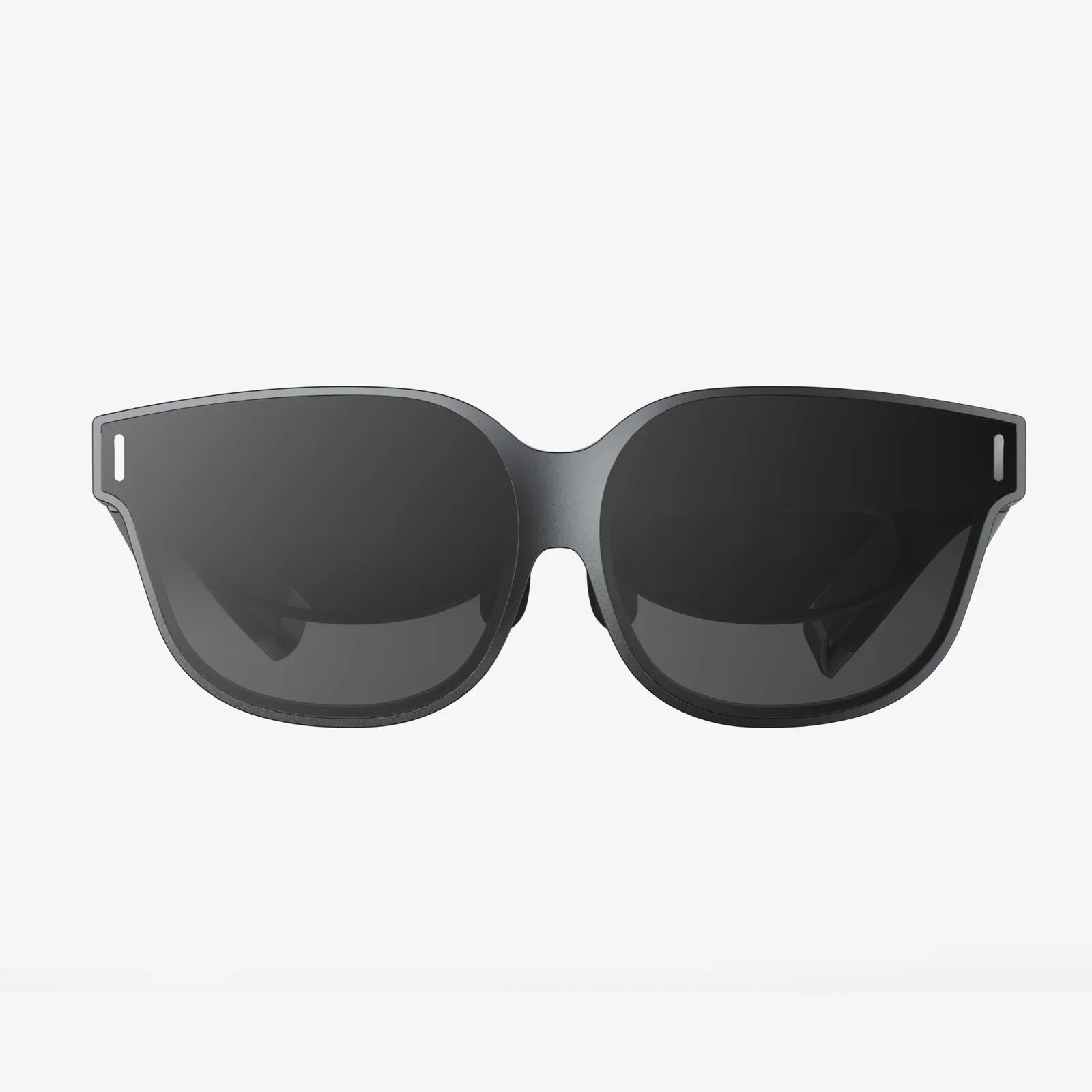
- by wangfred
What Is The Best Virtual Reality Set - A Guide to Finding Your Perfect VR
- by wangfred
You’ve seen the breathtaking trailers, heard the incredible stories, and felt that pull of curiosity. The world of virtual reality promises adventures beyond imagination, but one burning question stands between you and that digital frontier: what is the best virtual reality set? The answer, surprisingly, isn't a single model on a shelf. The 'best' VR set is a deeply personal equation, a perfect alignment of technology, comfort, content, and budget tailored specifically for you. Unlocking that perfect match is the key to truly transformative experiences, from scaling Everest to creating art in 3D space. This definitive guide will demystify the VR landscape, giving you the knowledge to confidently navigate your options and discover the headset that will become your portal to new worlds.
The quest for the best virtual reality set begins with a fundamental shift in perspective. Rather than seeking a universal winner, we must instead ask, "Best for what?" and "Best for whom?" The VR market has matured, segmenting into distinct categories that serve different needs and desires. A headset perfect for a hardcore gamer chasing pixel-perfect realism would be a poor, cumbersome fit for a casual user wanting to watch 360-degree travel videos. Therefore, the first step is honest self-assessment. What do you truly want to do in VR? Your primary use case is the most critical filter in your decision-making process.
To understand what makes one headset stand out from another, you need to speak the language of VR specs. These aren't just numbers on a page; they directly translate to how real the virtual world feels.
The screens inside the headset, known as the display, are your eyes in VR. Two key metrics define their quality: resolution and refresh rate. Resolution, measured in pixels per eye (e.g., 1832 x 1920), determines the sharpness and clarity of the image. A higher resolution drastically reduces the "screen door effect"—that faint grid-like pattern that can remind you you're looking at a screen. The refresh rate, measured in Hertz (Hz), is how many times the image updates per second. A higher refresh rate (90Hz and above) is crucial for smooth, comfortable motion, reducing latency and the potential for motion sickness. It’s the difference between a stuttering slideshow and a buttery-smooth reality.
How does the headset translate your real-world movements into the virtual one? This is done through tracking systems, which come in two primary forms:
The controllers are your hands in VR. Their design, haptic feedback (subtle vibrations), and finger-tracking capabilities vary widely. Some feel like familiar gamepads, while others aim to be a one-to-one representation of your actual hands, increasing immersion exponentially.
A headset can have the most advanced specs on the planet, but if it's a pain to wear, it will gather dust. Comfort is a feature often overlooked by spec sheets. Consider the weight distribution—does it press heavily on your cheeks or forehead? Is the headstrap adjustable and supportive? Material is also key; soft, breathable fabrics are preferable to hard plastics for longer sessions. For those who wear glasses, the amount of available space in the headset (the "glasses gap") is a critical practical concern.
This is the most significant fork in the road for most consumers. Your choice here will define your entire VR ecosystem.
Tethered headsets connect via a high-speed cable to a powerful external computer or gaming console. This is the domain of the highest-fidelity experiences.
Pros:
Cons:
This path is best for PC gaming enthusiasts, simulation fans, and professionals in fields like architecture or design who need the absolute highest visual quality.
Standalone headsets have all the necessary computing power built directly into the headset. They are completely wireless and self-contained.
Pros:
Cons:
Standalone VR is ideal for casual users, fitness enthusiasts, social VR participants, families, and anyone who values convenience and freedom over raw graphical power.
Some modern standalone headsets offer a hybrid function. They can operate wirelessly on their own but can also connect to a gaming PC via a cable or wireless streaming software. This offers the best of both worlds: the convenience of standalone for quick sessions and media consumption, and the high-end power of a PC for the most demanding games. For many, this flexibility makes a hybrid-capable headset the true "best" option.
A headset is merely a vessel; the software and content are the soul of the experience. The available library can make or break a platform. Some headsets are walled gardens, exclusively running software from their own store. Others are more open, allowing access to content from multiple sources or even sideloading independent applications. Investigate the storefronts. Do they have the games you're excited about? Are there robust social platforms, creative tools, and fitness apps that align with your interests? A strong, active ecosystem with regular new releases is a sign of a healthy platform that will be supported for years to come.
Now, let's apply these criteria to find your perfect match.
Your priority is unparalleled visual fidelity, the lowest latency, and access to the most graphically intensive titles. You likely already own a powerful gaming PC.
Your Best Bet: A high-end tethered headset. Look for the highest resolution and refresh rate available, inside-out or outside-in tracking with excellent controllers, and a wide field of view. Comfort is crucial for those long raid nights. The investment is significant, but the payoff is the absolute pinnacle of consumer VR gaming.
You see VR as a way to break a sweat and have fun doing it. Your needs are movement, comfort, and hygiene.
Your Best Bet: A standalone headset. Wireless freedom is non-negotiable for activities like boxing, dancing, or rhythm games. Look for a secure, comfortable fit that won't slip during intense movement, good ventilation to prevent lens fogging, and a content library rich with well-rated fitness apps. Easy-to-clean face pads are a major bonus.
You want to connect with friends in virtual spaces, attend live events, watch movies on a giant screen, and explore creative experiences without a huge commitment.
Your Best Bet: A mainstream standalone headset. The focus here is on a massive, accessible ecosystem of social and casual apps, extreme ease of use, and an affordable price point. The best choice is often the one your friends are using, as it grants you access to your social circle in VR.
You're dipping your toes into the VR waters and want a low-risk way to see what the excitement is about. You need something simple, durable, and shareable.
Your Best Bet: An affordable, user-friendly standalone headset. Prioritize a simple setup process, intuitive controls, and a library filled with family-friendly and introductory experiences. A device that's easy to demo and share is ideal for letting the whole family have a turn.
VR technology is advancing at a blistering pace. While you can't future-proof completely, you can make a smarter investment. Consider a headset from a company with a track record of long-term software support and a clear roadmap. Some platforms allow for incremental upgrades, like new controllers, which can extend the life of your core headset. However, the most future-proof strategy is to buy for the experiences you want today, not for a hypothetical promise of tomorrow.
Armed with this knowledge, your path is clearer. Create your own personal checklist:
Read reviews, watch video comparisons, and if possible, try before you buy. The feel of a headset on your head and the responsiveness of the controllers are subjective qualities you can only judge for yourself.
Your journey into virtual reality is a personal one, and the perfect device is waiting to facilitate it. The best virtual reality set isn't the one with the highest number on a box; it's the one that disappears on your face, whose controllers feel like an extension of your hands, and whose world becomes your own. It’s the gateway that you'll actually use, the source of unforgettable memories and awe-inspiring moments. Stop searching for a universal answer and start building your personal equation. Your adventure is closer than you think—the right key is now in your hand.
Share:
Virtual Reality VR Content: The New Frontier of Digital Experience and Storytelling
5 Paradigms for Virtual Reality: A Deep Dive into the Digital Frontier