


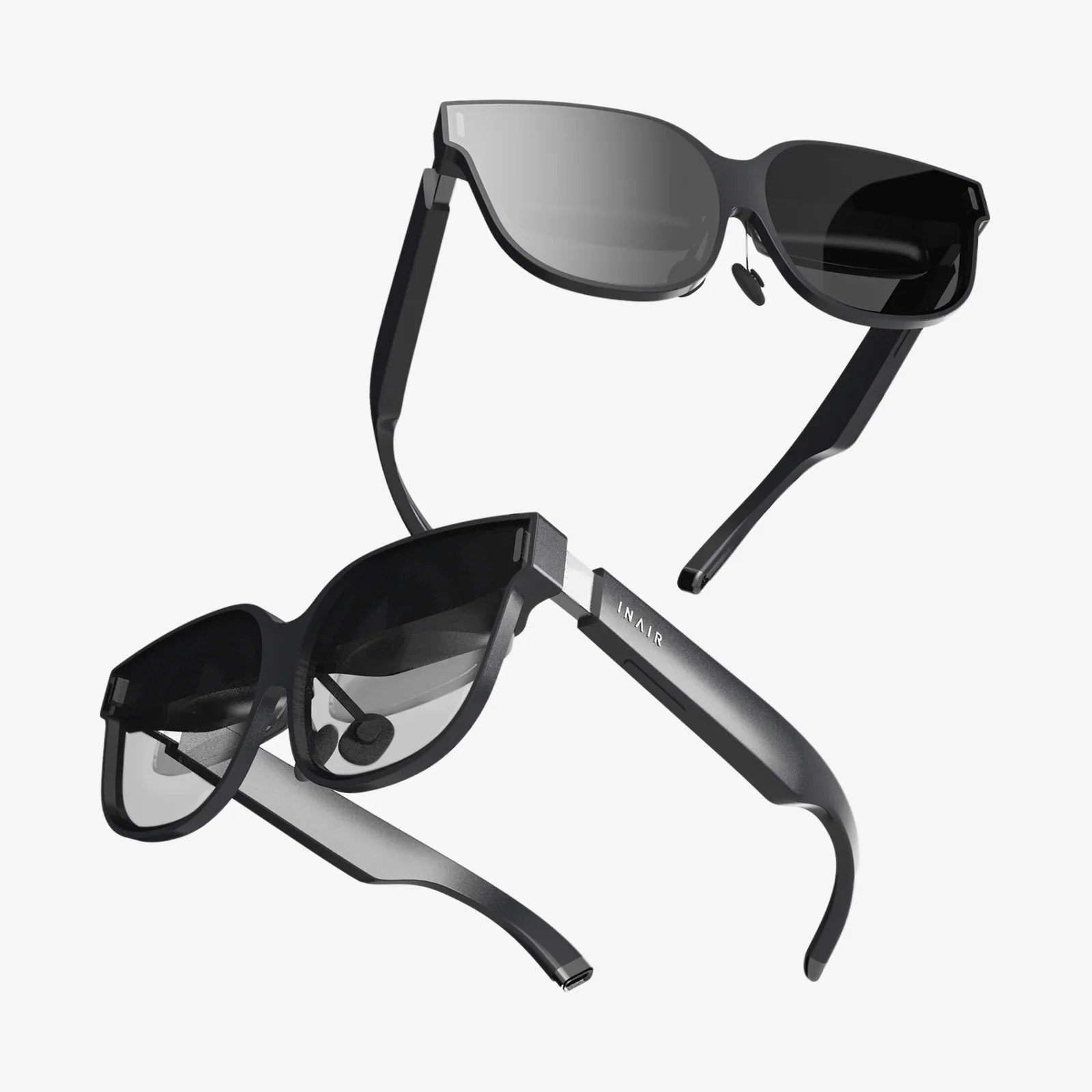
You’ve seen the future, and it’s virtual. The promise of stepping into another world, whether to game, create, connect, or work, is more compelling and accessible than ever. But with a rapidly evolving market filled with impressive options, a single question halts your journey before it even begins: what is the best VR headset available? The answer, as you’re about to discover, is not a simple one. The "best" headset is a deeply personal equation, a perfect alignment of technology, comfort, content, and cost tailored specifically to you. This definitive guide will demystify the landscape, equipping you with the knowledge to cut through the specs and find your ultimate portal to new realities.
Beyond the Hype: Defining "Best" in a Multidimensional Market
Declaring one victor in the VR arena is a fool's errand. The market has matured beyond a one-size-fits-all approach, branching into distinct categories that serve different masters. The quest to find the best VR headset begins not with a product name, but with a set of questions you must ask yourself.
Are you a hardcore gamer seeking the most immersive, high-fidelity experience money can buy, tethered to a powerful computer? Or are you a casual user looking for an accessible, all-in-one device to enjoy fitness apps, social experiences, and mobile-style games? Perhaps you're a professional designer, architect, or educator needing a high-resolution display for detailed work and visualization. Your primary use case is the most critical filter in your search.
From there, other factors come into play. Your budget is a obvious constraint, but so is your technical tolerance. Are you comfortable with a more complex setup involving sensors and cables, or do you demand simplicity and wireless freedom? The physical environment you plan to use it in—a large, clear play space or a seated arrangement—also dictates the type of tracking technology that will serve you best. Understanding these personal parameters is the first step toward identifying your perfect headset.
The Pillars of VR Performance: What to Actually Look For
Specification sheets can be overwhelming. Rather than getting lost in a sea of numbers, focus on these core technological pillars that directly shape your experience.
Display and Visual Fidelity
This is your window into the virtual world, and its quality is paramount. Key metrics include:
- Resolution: Measured in pixels per eye (e.g., 1832 x 1920). Higher numbers generally mean a sharper, clearer image with less "screen door effect" (the visible grid between pixels).
- Refresh Rate: Measured in Hertz (Hz), this indicates how many times the image updates per second. A higher refresh rate (90Hz and above) is crucial for smooth, comfortable motion and is a primary defense against VR-induced motion sickness.
- Lens Technology: Pancake lenses are a newer innovation that allow for a much slimmer and lighter headset design while improving edge-to-edge clarity compared to older Fresnel lenses, which can cause god rays and glare.
- Field of View (FoV): This is the extent of the observable world seen at any given moment, measured diagonally in degrees. A wider FoV (110°+) increases the feeling of immersion, making you feel less like you're looking through binoculars.
Tracking and Controllers
How the headset understands your movement and translates your actions into the virtual space is what makes VR magical.
- Inside-Out vs. Outside-In Tracking: Inside-Out tracking uses cameras on the headset itself to map the room and track the controllers, requiring no external base stations. It's simpler to set up and more portable. Outside-In tracking uses external sensors or base stations placed around the room to precisely track LEDs on the headset and controllers. It is often considered more precise and robust for competitive gaming, especially when controllers are outside the headset's camera view, but it requires a more permanent setup.
- Controller Design: Ergonomic controllers that feel like a natural extension of your hand are essential. Look for features like haptic feedback (subtle vibrations), finger tracking (the ability to detect individual finger movements), and a comfortable, secure grip.
Comfort and Form Factor
The most powerful headset is useless if it's a pain to wear. Comfort is a combination of weight distribution, padding, and design.
- Weight: Lighter is generally better, but a well-designed strap can make a heavier headset feel much lighter than a poorly designed light one.
- Head Strap: Standard elastic straps are common on entry-level devices, but a rigid, halo-style strap or a rigid strap with a top strap and counterweight offers vastly superior weight distribution and stability during active use.
- Interface: The foam or silicone piece that touches your face should be soft, breathable, and ideally, replaceable and hygienic.
Content and Ecosystem
Hardware is nothing without software. The best headset for you must have access to the experiences you want.
- Game Stores: Is the headset tied to a specific, walled-garden storefront, or is it more open, allowing you to access content from multiple PC-based stores?
- Exclusive Titles: Some of the highest-rated VR games are exclusive to certain platforms. If a specific title is your main reason for buying, your choice may already be made.
- Media Apps: For many, VR is a incredible personal theater. Support for high-quality video streaming apps is a key feature.
The Contenders: A Breakdown of Modern VR Categories
Today's market can be neatly divided into three dominant categories, each with its own philosophy, strengths, and ideal user.
The All-in-One Wireless Leader
This category represents the most accessible and popular form of VR. These devices have all the necessary computing power built directly into the headset. You put it on and you're in; no wires, no external computer required.
Strengths: Unmatched convenience and freedom. The setup is trivial, and you can use it in any room with enough space. They are generally more affordable upfront since no expensive computer is needed. They are the kings of casual gaming, social VR, and fitness applications.
Considerations: While their mobile processors are impressive, they cannot match the raw graphical power of a high-end PC. The experiences are often less complex and visually detailed. Battery life is a limiting factor for long sessions.
Ideal For: Newcomers to VR, families, fitness enthusiasts, social users, and anyone who values simplicity and wireless freedom above ultra-high fidelity.
The High-End PC Powerhouse
This category is for those who demand the absolute pinnacle of visual fidelity and performance. These headsets act as a display, but all the processing is handled by a powerful desktop computer connected via a cable.
Strengths: Unrivaled graphical performance. They can run the most visually stunning and physically complex VR games and simulations. Higher resolutions, faster refresh rates, and more precise tracking are the norms. They are the only option for professional-grade applications in design, medicine, and science.
Considerations: The cost of entry is high, as you need both an expensive headset and a high-end computer capable of running it. The tethering cable can break immersion and is a tripping hazard. The setup is more complex, often involving external sensors.
Ideal For: Hardcore PC gamers, simulation enthusiasts (flight, racing), professionals in visualization fields, and users for whom graphical compromise is not an option.
The Standalone Hybrid
A newer and increasingly popular category that attempts to offer the best of both worlds. These are primarily all-in-one devices with their own mobile processor and software ecosystem, but they also offer the ability to connect to a gaming PC via a cable or wireless streaming.
Strengths: Incredible versatility. You can enjoy the convenience and freedom of a standalone device for fitness, media, and mobile-style games, but then also tap into the vast library of high-end PC VR content when you want the best possible experience. This effectively future-proofs your investment.
Considerations: You are often paying a premium for this dual functionality. The experience when connected to a PC is dependent on the quality of your home network (for wireless) or the capabilities of your link cable.
Ideal For: The VR enthusiast who wants it all. It's perfect for someone who doesn't want to be limited to one ecosystem and values both convenience and power.
The Human Factor: Prioritizing the Intangibles
Beyond the raw specs and categories, the best VR headset for you must align with your physical reality.
IPD and Eye Comfort
Your Interpupillary Distance (IPD)—the space between your pupils—is unique. Many headsets offer software or physical IPD adjustment. A proper IPD match is critical for visual clarity and long-term comfort, preventing eye strain and headaches. Physically adjustable lenses are generally preferred for their precision.
The Reality of Motion Sickness
VR legs are a real thing. New users are often susceptible to simulator sickness, caused by a disconnect between what your eyes see (movement) and what your body feels ( stillness). A headset with a high, stable refresh rate and responsive tracking can mitigate this. The "best" headset for a beginner might be one known for its comfort and rock-solid performance over one with bleeding-edge features that can be more nauseating if not optimized perfectly.
The Ecosystem Lock
Your choice of headset often means buying into an ecosystem. The games and apps you purchase on one platform's store are typically not transferable to another. If you have a existing library of content on a specific platform, it may heavily influence your decision to stay within that family of devices.
Making Your Decision: A Practical Framework
Armed with this knowledge, you can now systematically narrow down your choices. Follow this decision tree:
- Define Your Primary Use: Gaming, Fitness, Social, Work? Be honest.
- Set Your Budget: Be realistic. Remember to consider the total cost of ownership, including any necessary accessories, software, and, for PCVR, the computer itself.
- Choose Your Category: Based on steps 1 and 2, does All-in-One, PC Powerhouse, or Standalone Hybrid make the most sense?
- Compare Key Specs: Within your chosen category, compare the front-runners on resolution, refresh rate, lens type, and comfort features.
- Research the Content: Browse the official store for each headset you're considering. Does it have the games and apps you are most excited about? Are there compelling exclusives?
- Read Real-World Reviews: Look for long-term comfort reviews and user testimonials. A headset might feel great in a 10-minute demo but become uncomfortable after an hour.
Remember, the technology is advancing at a breakneck pace. There will always be a newer, shinier model on the horizon. The goal is not to find a forever headset, but to find the best one for you, right now, that will deliver countless hours of enjoyment and wonder.
So, what is the best VR headset available? It’s the one that disappears on your head and transports your mind. It’s the device that empowers you to swing a lightsaber, sculpt a digital masterpiece, crush a workout, or explore the universe with friends, all without a second thought about the technology making it happen. It’s the headset that fits your life, your dreams, and your reality—both physical and virtual. Stop searching for a universal answer and start building your personal one. Your adventure awaits, and the perfect portal is out there, ready for you to step through.
Share:
Entry Level VR Headset for PC: Your Gateway to Immersive Virtual Worlds
Best VR Headset Under 500 Euros 2025: The Ultimate Buyer's Guide