


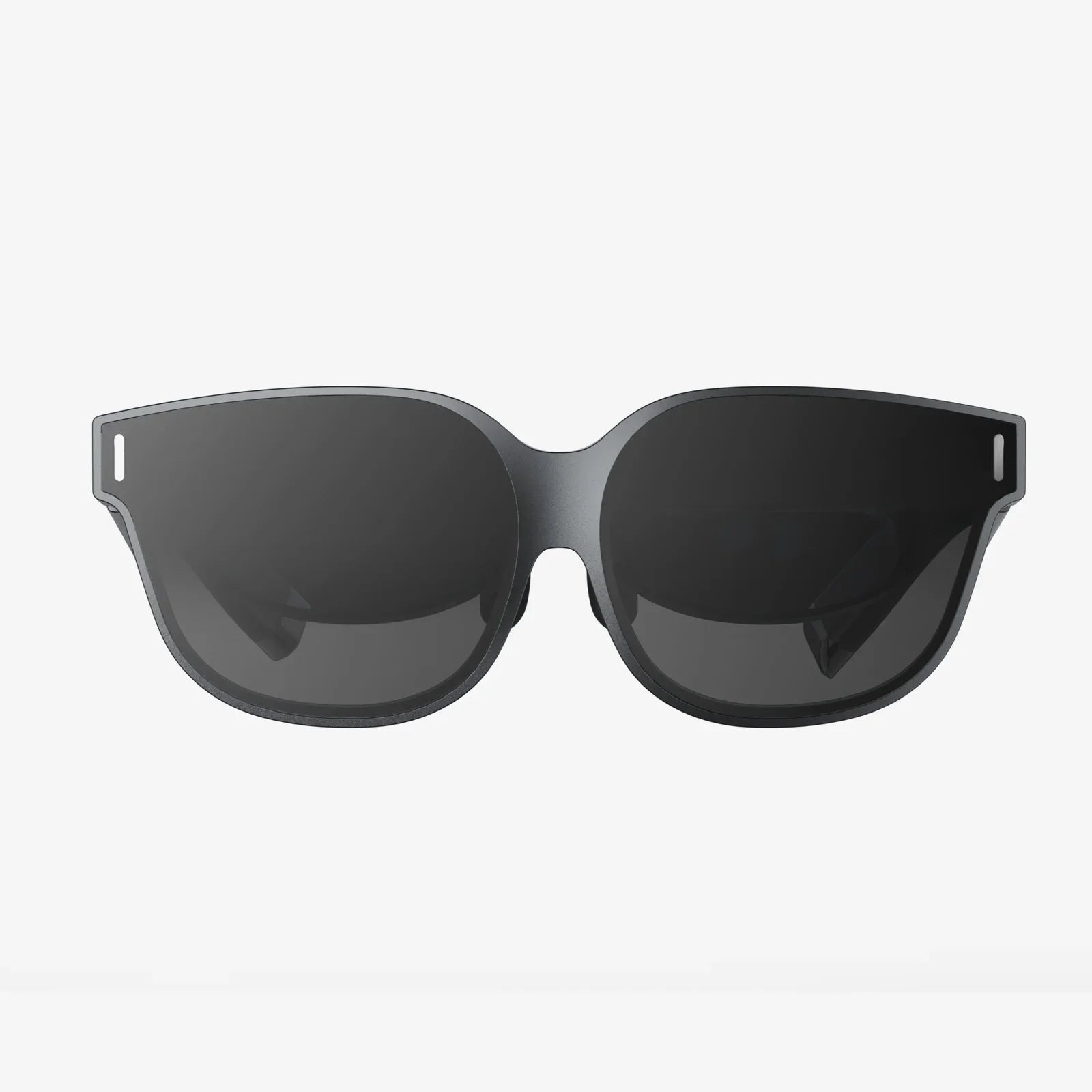
The world is shifting, reality is bending, and the line between the digital and the physical is blurring at an astonishing rate. You’ve seen the breathtaking trailers, heard the excited testimonials, and felt that pull of curiosity. You’re ready to take the plunge into virtual reality, but one towering question halts your progress: what is the best VR set? The answer, as you’re about to discover, is not a single product but a perfect alignment of technology, ecosystem, and your own personal desires. This definitive guide will cut through the marketing hype and technical jargon to help you find your ultimate portal to new worlds.
The Three Pillars of VR: Defining What "Best" Really Means
Before we can crown a champion, we must first establish the criteria for judgment. The "best" VR set is a deeply personal title, awarded based on a combination of three fundamental pillars: performance, purpose, and price. A headset that is perfect for a hardcore competitive gamer would be a terrible, overpriced fit for someone who just wants to watch immersive movies. Therefore, our exploration will categorize headsets not by brand, but by their position in the market and the experiences they are designed to deliver.
We will evaluate them based on key specifications that directly impact your experience:
- Display & Lenses: Resolution, refresh rate, field of view, and lens quality determine the clarity and smoothness of the virtual world, directly affecting immersion and combating motion sickness.
- Tracking System: Inside-out vs. outside-in tracking defines how the headset understands its position in your room, impacting setup complexity, freedom of movement, and precision.
- Processing Power: Does the headset require a powerful external computer, or is everything it needs contained within the device itself (standalone)? This is the single biggest divider in the VR landscape.
- Controllers & Input: The design and functionality of the controllers are your hands in the virtual world. Haptic feedback, finger tracking, and ergonomics are crucial for interaction.
- Content Library: A headset is a useless portal without compelling games, applications, and social experiences to inhabit. The available ecosystem is a critical, often overlooked factor.
- Comfort & Design: You'll be wearing this device on your head, often for extended periods. Weight distribution, materials, and adjustability are paramount to enjoyment.
The Apex Predators: High-End PCVR and Console-Tethered Headsets
This category represents the pinnacle of virtual reality fidelity. These devices are typically tethered to a high-end gaming computer or a popular gaming console, leveraging their immense processing power to deliver stunningly detailed graphics, incredibly complex worlds, and the most immersive experiences possible today. They are the choice for enthusiasts, sim racers, flight enthusiasts, and gamers who demand the absolute best visual quality.
Defining Characteristics:
- Unmatched Fidelity: With the raw power of a modern GPU behind them, these headsets push incredibly high resolutions and high refresh rates, making text sharp, distant objects clear, and motion buttery smooth.
- Precision Tracking: Often utilizing external base stations or sensors placed around the room, these systems offer millimetre-accurate tracking of the headset and controllers, essential for competitive gameplay and detailed interaction.
- Extensive Content: They have access to the deepest and most graphically intensive catalog of VR titles available, from vast RPGs to intricate simulation games.
- The Trade-off: The primary drawback is cost and complexity. You need both an expensive headset and a powerful computer to run it, not to mention the process of setting up external sensors and managing cables during play.
For those who already own a capable gaming rig or the relevant console and for whom budget is a secondary concern, this tier offers the most breathtaking and cutting-edge experiences. The best VR set in this category is the one that pairs with your existing hardware ecosystem and delivers the visual punch you crave.
The Freedom of Standalone: The All-in-One VR Revolution
If the high-end tier is a powerful sports car, the standalone market is the reliable, efficient, and incredibly popular daily driver. These all-in-one devices have completely democratized virtual reality by removing the need for any external phones or computers. Everything—the processor, the display, the battery—is built into the headset itself. This has made VR more accessible than ever before.
Defining Characteristics:
- Unparalleled Convenience: The biggest advantage is freedom. There are no wires to trip over and no external devices to hook up. You can power it on and be in your home menu within seconds, and you can easily take it to a friend's house.
- Mass Market Appeal: By simplifying the setup and lowering the barrier to entry, standalone headsets have built the largest and most active VR communities, driving social and multiplayer experiences.
- Curated Content: The content libraries for these platforms are vast and growing rapidly, though they are generally less graphically intensive than their PCVR counterparts due to the mobile-grade processors inside the headset.
- The Trade-off: To achieve this wireless freedom, graphical fidelity is sacrificed. While still highly impressive, visuals are less detailed, and the processing limitations can mean simpler game worlds and textures. Battery life is also a finite resource.
For the vast majority of users—those seeking a fantastic library of games, intuitive social experiences, and media consumption without the fuss and expense of a gaming PC—the best VR set will almost certainly be found in the standalone category. It represents the perfect balance of performance, price, and convenience.
The Budget-Conscious Gateway: Entry-Level and Smartphone-Based VR
This category serves as a low-cost introduction to the concepts of virtual reality. While less common than they once were, these headsets primarily work by slotting a smartphone into a head-mounted holder, using the phone's screen and sensors to create a VR experience. There are also very affordable self-contained units that offer a limited but functional taste of VR.
Defining Characteristics:
- Extremely Low Cost: This is the most significant and only real advantage. It allows someone to experience basic 360-degree videos and very simple games for a minimal investment.
- Limited Capability: The experience is severely constrained by the power of the user's smartphone and the lack of any dedicated tracking systems. There are no motion controllers, typically only a basic head-tracking interface.
- Poor Content: The available experiences are extremely basic and cannot compare to the rich, interactive worlds found on dedicated platforms.
- The Trade-off: You truly get what you pay for. While it provides a glimpse into VR, it is a poor representation of what modern, dedicated systems can do and can sometimes even create a negative impression due to low-quality experiences.
For someone with absolutely no budget who is merely curious about 360-degree video, this might be a starting point. However, for anyone genuinely interested in interactive virtual reality, it is highly recommended to save for a more capable standalone or tethered system. The best VR set is not found in this category if you seek a true immersive experience.
Beyond Gaming: The Expanding Universe of VR Applications
While gaming is the engine that has driven VR adoption, defining the best headset requires looking at the entire spectrum of use cases. The ideal device for a digital artist is different from that of a fitness enthusiast.
- VR Fitness: A growing phenomenon that uses motion-controlled games for cardio and strength training. For this, a comfortable, hygienic (with easy-to-clean face pads), and wireless standalone headset is ideal. Battery life is also a key consideration for longer workout sessions.
- Social & Enterprise: Platforms exist that are designed for virtual meetings, collaborative design, and remote teamwork. Here, resolution and comfort for extended wear become critical, as does microphone and speaker quality for clear communication.
- Media Consumption: Watching movies in a virtual cinema or experiencing 360-degree documentaries is a primary use for many. For these users, a high-resolution display with rich colors and deep blacks is the top priority, often making PCVR or high-end standalone headsets the best choice.
Making Your Choice: A Personal Decision
So, after reviewing the landscape, how do you decide? Ask yourself these questions:
- What is my budget? Determine this first, as it will immediately narrow your field of options.
- What hardware do I already own? Do you have a powerful gaming PC or a specific console? If not, a standalone headset is your path.
- What do I want to do in VR? Are you a hardcore gamer, a social butterfly, a fitness fanatic, or a cinephile? Match the headset's strengths to your primary activity.
- Where will I use it? Do you have a large, clear play space, or will you be using it in a more confined area? This affects the importance of inside-out vs. outside-in tracking.
- Who else will use it? If multiple people in a household will share the device, ease of use and adjustability are key.
The journey to find your perfect virtual reality companion is an exciting one. It’s a gateway to concerts with friends across the globe, heart-pounding adventures on alien worlds, and transformative new ways to learn and create. The best VR set isn’t the one with the highest number on a spec sheet; it’s the one that disappears on your head, making you forget the technology and lose yourself completely in the experience. It’s the device that seamlessly integrates into your life, offering joy, wonder, and connection. That perfect headset is waiting for you, ready to redefine your reality.
Share:
Immersion XR The Ultimate Gateway to Blurring Reality and Digital Experience
XR Product: The Ultimate Guide to the Immersive Future of Digital Interaction