


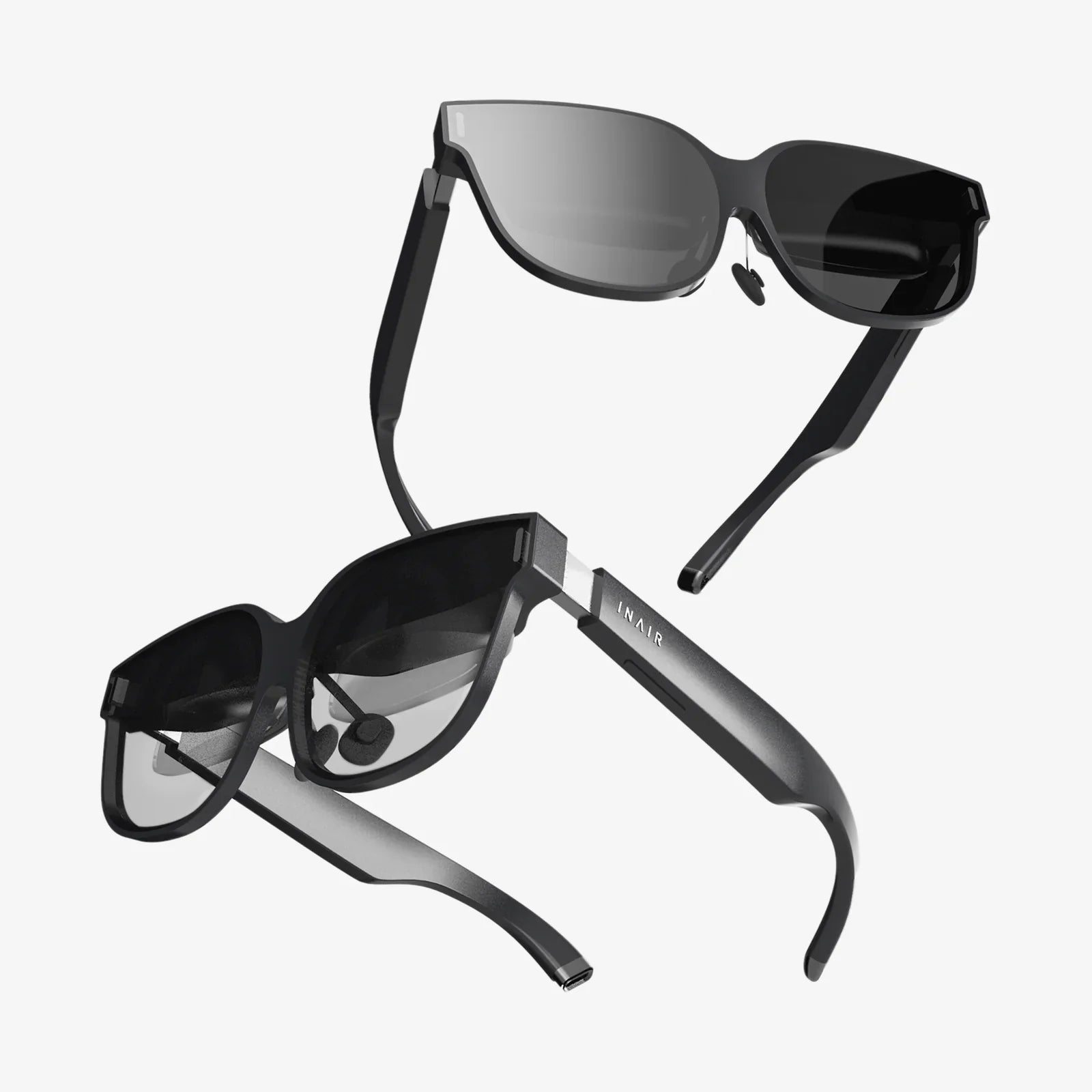
You've seen the breathtaking trailers, heard the incredible stories from friends, and felt that pull of curiosity. The world of virtual reality promises adventures beyond imagination, but a single, daunting question holds you back: what is the cheapest good VR headset that won't disappoint? The fear of investing in a clunky, low-quality piece of hardware that gathers dust is real. The good news is that the VR landscape has evolved dramatically, and finding a gateway to the metaverse that is both affordable and competent is no longer a fantasy. The quest for value is on, and the answer might be closer than you think.
Defining "Good" in the World of Budget VR
Before we dive into the options, it's crucial to establish what "good" actually means in this context. A cheap headset that is frustrating to use, has a tiny library of games, or makes you feel sick is not a good value, no matter how low the price. For a budget VR headset to be considered "good," it should meet several key criteria:
- Solid Core Experience: It must deliver a comfortable and immersive experience for a significant period without causing excessive fatigue or simulator sickness. This is heavily influenced by display resolution, refresh rate, and ergonomics.
- Adequate Performance: The headset, and any required hardware, must run software smoothly. Stuttering, lag, and low frame rates are the quickest path to a bad experience and motion sickness.
- Access to Quality Content: There's no point in a cheap headset if there's nothing good to play or do on it. A robust and accessible library of games, experiences, and apps is non-negotiable.
- Functional Tracking: The system must accurately track your head (and ideally your hands) so your movements in the real world feel 1:1 in the virtual world. Poor tracking breaks immersion instantly.
- Future-Proofing (to a degree): While no budget option is truly future-proof, opting for a platform that is still supported and updated is wiser than choosing a completely obsolete product.
With this framework in mind, we can effectively evaluate the contenders in the market.
The Three Pathways to Affordable VR
The search for the cheapest good VR headset typically leads down one of three distinct paths, each with its own cost structure, requirements, and trade-offs.
1. Standalone VR Headsets: The All-in-One Solution
Standalone headsets have become the most popular entry point for new users, and for good reason. These devices have all the necessary computing power, sensors, and batteries built directly into the headset itself. There are no wires to a powerful computer, no complex setup with external sensors—you simply put it on and jump in.
The Trade-off: Because they are self-contained mobile devices, their graphical processing power is limited compared to a high-end gaming PC. You won't get the ultra-realistic textures and vast, complex worlds found in premium PC VR titles. However, the convenience and accessibility are unmatched.
This category is fiercely competitive, with one platform dominating the market in terms of content library and value. Its ecosystem offers a massive storefront with countless games and social experiences, regular software updates, and strong developer support. For many, a previous-generation model from this platform represents the sweet spot for "cheap and good." It delivers a high-resolution display, inside-out tracking (meaning cameras on the headset track your controllers without external sensors), and a vast library of content that is both affordable and high-quality. While a newer model exists, the prior version often goes on sale at a significant discount, making it arguably the best answer to the question of what is the cheapest good VR headset for most people.
2. PC-Powered VR Headsets: The Performance Play
This path involves connecting a headset to a capable gaming computer. The headset itself acts primarily as a display and tracking device, while the PC does all the heavy graphical lifting.
The Trade-off: The upfront cost is much higher because you need both the headset and a VR-ready computer. However, the payoff is access to the absolute highest-fidelity VR experiences available. Games are more detailed, environments are more complex, and the visual clarity can be stunning.
The market for budget PC VR headsets is interesting. Several older, wired models from major manufacturers can be found on the secondary market (like eBay or refurbished stores) for very low prices. These often feature excellent OLED displays and precise tracking but come with caveats: they require external sensors you must mount around your play space, and they are technically obsolete, meaning official support and new software may be limited.
A more modern and still-supported option in this category would be a headset from a company known for its wide field-of-view and solid inside-out tracking. While its full price is mid-range, it frequently sees deep discounts during holiday sales, bringing it into the "budget" conversation for PC users seeking a good, wire-free experience without the need for a base station setup.
3. Smartphone-Powered VR: The (Mostly) Obsolete Avenue
Several years ago, this was the dominant answer to "cheap VR." You would slot your smartphone into a plastic headset holder (like Google Cardboard or Samsung Gear VR) and use your phone's screen and processing power to run simple VR apps.
The Trade-off: The cost was incredibly low, but the experience was severely limited. There were no positional tracking capabilities (you could only look around, not move your head side-to-side), graphical power was constrained by your phone, and the content library has all but vanished as major companies abandoned the platform.
While you can still find these holders for a few dollars, they can no longer be recommended as a "good" VR experience by today's standards. The lack of content and fundamental technical limitations place them firmly in the "novelty" category rather than a viable gateway into modern VR gaming and social interaction.
Key Features to scrutinize on a Budget
When comparing specific models, looking beyond the price tag is essential. Here are the technical specifications you should understand and prioritize.
Display Resolution and Lens Quality
The dreaded "screen door effect"—where you can see the lines between pixels, breaking immersion—was a major issue for early VR. Today, even budget headsets have largely solved this.
- Resolution: Look for a per-eye resolution of at least 1600x1400 or higher. This is the baseline for a clear, readable image.
- Refresh Rate: A higher refresh rate (measured in Hz) leads to smoother motion and reduces the risk of motion sickness. 72Hz is the absolute minimum for comfort; 90Hz or higher is ideal.
- Lens Type: Fresnel lenses are common but can cause "god rays" (glare in high-contrast scenes). Some newer budget headsets use pancake lenses, which offer a sharper image across the entire field of view and a smaller form factor.
Tracking: Inside-Out vs. Outside-In
This is how the headset understands its position in your room and the position of your controllers.
- Inside-Out Tracking: Cameras on the headset itself look outward to map your environment and track the controllers. This is the standard for modern standalone and PC headsets. It's easier to set up (no external sensors) and portable. Performance is generally excellent for most use cases.
- Outside-In Tracking: External sensors or base stations placed around the room look inward to track sensors on the headset and controllers. This is often considered the gold standard for precision, especially for competitive gaming or full-body tracking, but it's more expensive and less convenient to set up.
For anyone seeking the cheapest good VR headset, inside-out tracking is the way to go. It's a technology that has matured and is now effectively implemented even on budget devices.
Controllers and Input
The controllers are your hands in the virtual world. A good budget system will include two six-degrees-of-freedom (6DoF) controllers. This means they are tracked in both rotation (how you tilt them) and position (where they are in space). This allows for natural interactions like throwing, grabbing, aiming, and punching. Avoid any system that only offers 3DoF controllers (rotation only), as this severely limits the types of games you can play.
The Hidden Costs of "Cheap" VR
The initial purchase price is only part of the equation. To get the true total cost of ownership, you must consider a few other potential expenses.
- Content: VR games and apps are not free. While there are free experiences, you will want to buy games. Budget anywhere from $20 to $40 per title.
- Accessories: A better facial interface (foam padding) for comfort and hygiene, a wider head strap for better weight distribution, and a portable battery pack for longer standalone sessions are common and recommended purchases.
- Required Hardware: For PC VR, you must own or factor in the cost of a VR-ready computer with a specific grade of graphics card and a sufficient number of USB ports.
Finding the Deals: Where to Look
Patience and knowing where to shop are key to unlocking the best value.
- Official Retailer Sales: Major holidays like Black Friday, Cyber Monday, and Prime Day are the best times to find discounts on new hardware from official stores.
- Refurbished Markets: Many manufacturers and large electronics retailers sell certified refurbished units. These are often returns that have been inspected, repaired if necessary, and come with a warranty at a significantly reduced price.
- The Secondary Market: Platforms like eBay, Facebook Marketplace, and OfferUp are flooded with used headsets. This is a great way to find a bargain, but you must be cautious. Always test the device if possible, check for lens scratches (which are irreparable and ruin the experience), and ensure all components (controllers, cables) are included.
Who is the Winner? The Verdict on Value
So, after weighing all the options, what is the cheapest good VR headset? For the vast majority of people, the crown goes to a previous-generation standalone model from the market-leading platform. It strikes the perfect balance:
- Its price, especially on sale or refurbished, is unbeatable for the technology it offers.
- It requires no additional expensive hardware—it's a complete system out of the box.
- Its content library is the largest in the VR industry, with endless high-quality games, fitness apps, and social spaces.
- Its inside-out tracking is proven and reliable.
- It receives continuous software updates and support from its developer.
For a user who already owns a powerful gaming PC and wants higher fidelity, hunting for a deep discount on a modern, inside-out tracked PC headset or a used older model from a reputable brand is a fantastic alternative. But this path requires more technical knowledge and acceptance of potential trade-offs.
The barrier to entering virtual reality has never been lower. The dream of finding an affordable headset that delivers a genuinely good, compelling experience is now a reality. You no longer have to choose between your wallet and a journey into new worlds. By focusing on a proven platform, shopping smartly for deals, and understanding the true meaning of value in VR, you can confidently take the plunge. Your first step into a vast and exciting digital universe is waiting, and it costs far less than you probably ever imagined.
Share:
Best PC Compatible VR Headset - Your Ultimate Guide to High-Fidelity Immersion
Extended Reality Definition Technology: Reshaping Our Perception of the World