


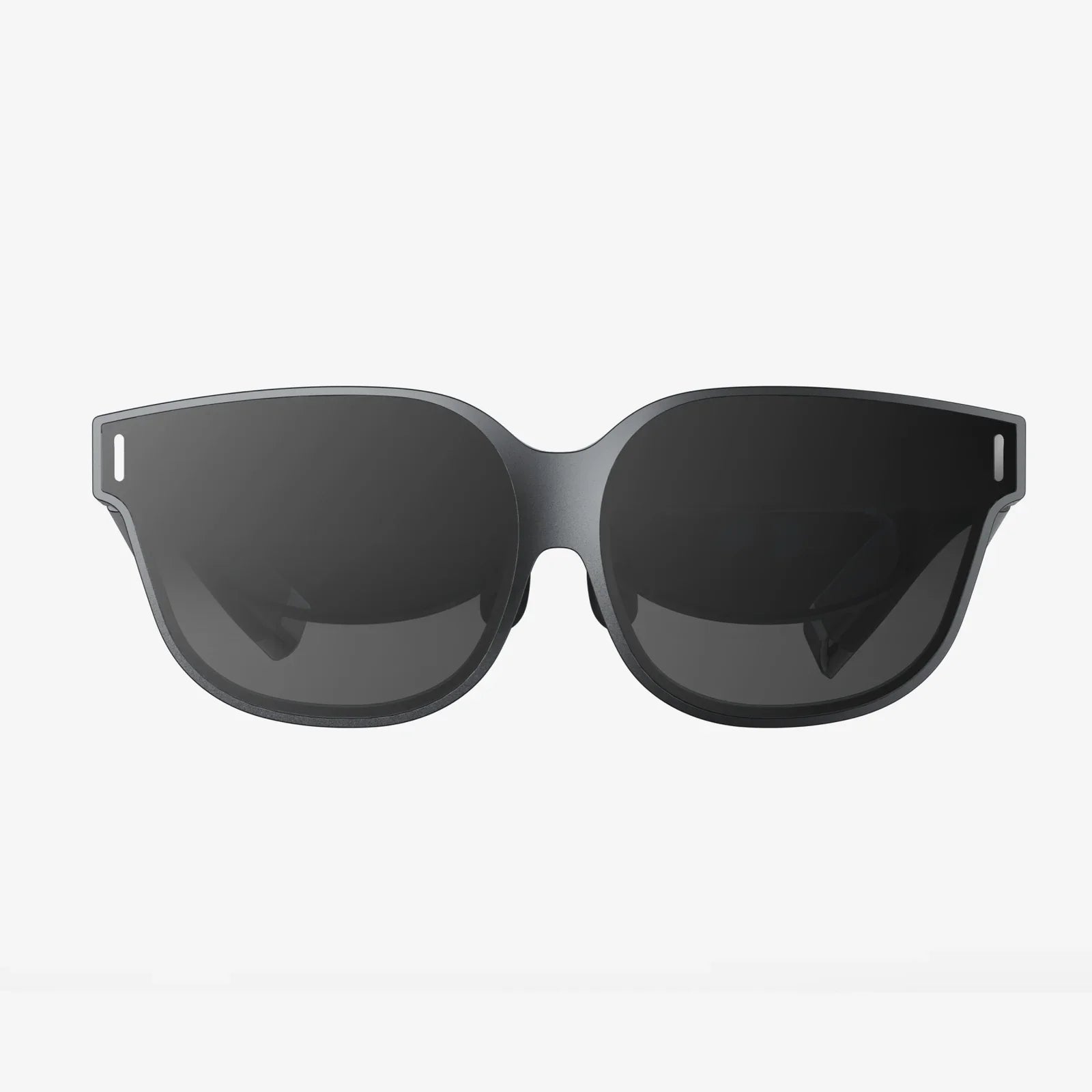
Imagine a world where the digital and the physical are no longer separate realms but a seamless, integrated tapestry of information and experience. This is the promise of augmented reality, a technology poised to leap from our smartphone screens and specialized headsets into the very fabric of our daily existence. The journey beyond the novelty of overlaying digital dinosaurs in your living room is beginning, and it leads to a future that will fundamentally reshape how we work, learn, connect, and perceive reality itself.
From Niche to Normal: The Path to Ubiquity
The most significant shift in the future of AR will be its transition from a conscious application to an unconscious utility. Much like the smartphone, which evolved from a luxury communication device to an indispensable life portal, AR will become an ambient layer on our world, accessed as naturally as checking the time.
This ubiquity will be driven by the maturation of enabling technologies. Wearable devices will evolve from today's bulky headsets into sleek, socially acceptable forms—think lightweight glasses, contact lenses, or even more subtle interfaces. Advances in battery life, processing power, 5G and eventual 6G connectivity, and spatial computing will erase the technical friction, making AR always available but never obtrusive. The goal is not to lose ourselves in a digital world, but to have the digital world enhance our own.
Revolutionizing the World of Work and Industry
While consumer applications often grab headlines, the most immediate and profound impact of AR will be felt in enterprise and industrial settings. Here, AR is not about entertainment; it's about efficiency, accuracy, and safety, delivering a clear return on investment.
The Augmented Workforce
On factory floors, technicians will use AR glasses to see digital schematics overlaid directly onto the machinery they are repairing. Step-by-step instructions will guide their movements, highlighting the exact bolt to turn or the specific component to inspect. This reduces error rates, slashes training time for new employees, and allows experts to remotely guide on-site workers by literally drawing annotations into their field of view.
In construction and architecture, stakeholders will be able to walk through a full-scale, holographic model of a building before a single foundation is poured. They can visualize plumbing within walls, assess sightlines, and identify potential design clashes, saving millions in costly post-construction modifications.
The Future of Healthcare is Transparent
In surgery, AR can project a 3D model of a patient's anatomy derived from CT or MRI scans directly onto their body, giving surgeons a kind of "X-ray vision" to improve precision and minimize invasiveness. Medical students will learn complex procedures through interactive holographic models, accelerating their education in a risk-free environment. Furthermore, AR can revolutionize patient care by providing visual guides for physical therapy or overlaying vital signs directly into a doctor's view during patient rounds.
Redefining Human Connection and Social Interaction
Social media is a largely two-dimensional experience of feeds, posts, and messages. The future of social AR is a three-dimensional, shared space where presence and interaction feel genuine.
Imagine attending a concert where a friend who lives across the globe appears as a realistic hologram next to you, both of you watching the same performance. Families could gather around a virtual holiday table, sharing stories and laughter as if they were in the same room. This "spatial web" will create new forms of co-presence, collapsing geographical barriers and fostering a deeper sense of connection than current video calls can provide.
However, this future also raises critical questions. How do we manage shared digital spaces? What are the social etiquette rules for such immersive interactions? The technology for this is nascent, but the potential to redefine community and togetherness is immense.
The New Frontier of Learning and Education
Education will shift from passive absorption to active exploration. Instead of reading about ancient Rome, students will walk through a digitally reconstructed Forum Romanum, hearing the sounds of the market and witnessing historical events unfold around them. Complex abstract concepts in physics, astronomy, or molecular biology will become tangible, interactive objects that students can manipulate and examine from all angles.
This experiential learning caters to diverse learning styles and has the potential to dramatically increase engagement and information retention. It turns every classroom—and indeed, the entire world—into a dynamic, interactive learning lab.
The Invisible UI: Blending Digital and Physical Commerce
Retail will be transformed as AR becomes the ultimate try-before-you-buy tool. You'll be able to see how a new sofa fits in your living room, how a pair of shoes matches your outfit, or how a car's dashboard feels before visiting a dealership. This dissolves the gap between online and in-store shopping, creating a hybrid, personalized commerce experience.
Beyond products, navigation will be revolutionized. Instead of looking down at a phone map, directions will be painted onto the street in front of you, guiding you seamlessly to your destination. Information about your surroundings—restaurant reviews, historical building facts, public transit schedules—will appear as you look at them, creating a context-aware information layer on the city itself.
Navigating the Ethical Labyrinth
The augmented future is not without its perils. The very power of AR to alter perception creates a host of ethical and societal challenges that must be addressed proactively.
Privacy in an Augmented World
If AR devices are always on, passively scanning our environments to provide context, they will be collecting an unprecedented amount of data about everything and everyone we see. Who owns this data? How is it stored and used? The potential for surveillance, both by corporations and governments, is staggering. Robust ethical frameworks and regulations will be crucial to prevent a dystopian future where our every move is tracked and analyzed.
The Reality Divide and Digital Addiction
There is a real risk of a "reality divide" emerging—a socio-economic gap between those who can afford advanced AR technology and those who cannot. This could lead to a world where the wealthy have access to an enhanced layer of information and efficiency, while others are left with an impoverished view of reality.
Furthermore, the compelling nature of immersive digital overlays could exacerbate issues of digital addiction and lead to a further disconnection from the un-augmented physical world. Balancing enhancement with presence will be a central challenge for individuals and society.
Truth and Perception
In an era of deepfakes and misinformation, AR introduces the terrifying concept of "experiential fake news." What happens when malicious actors can overlay false information or harmful imagery onto real people and places? If everyone can customize their reality, can we ever agree on a shared, objective truth? Establishing protocols for authentication and digital trust will be one of the most critical hurdles to a safe AR future.
The Seamless Merger of Real and Digital
The ultimate trajectory of AR is not to create a flashy, distracting world of digital pop-ups, but to develop a calm, intuitive technology that feels like a natural extension of our own cognition. The ideal AR interface is one you don't even notice—it's just there when you need it, providing the right information at the right time without overwhelming the senses. It will amplify our human capabilities, making us smarter, more capable, and more connected to the information and people that matter most.
The future of augmented reality is far more than a tech trend; it's a fundamental shift in the human-computer relationship. We are moving towards a world where the boundary between the digital and the physical will become increasingly blurred, creating a new hybrid reality. The choices we make today—in design, policy, and ethics—will determine whether this new world becomes a empowering layer of knowledge and connection or a fragmented, monitored, and unequal landscape. The canvas of our reality is being prepared; it is up to us to paint a future we actually want to live in.
Share:
How Augmented Reality is Reshaping Our World and Redefining Human Experience
Singapore Augmented Reality: A Nation's Journey from Vision to Virtual Revolution