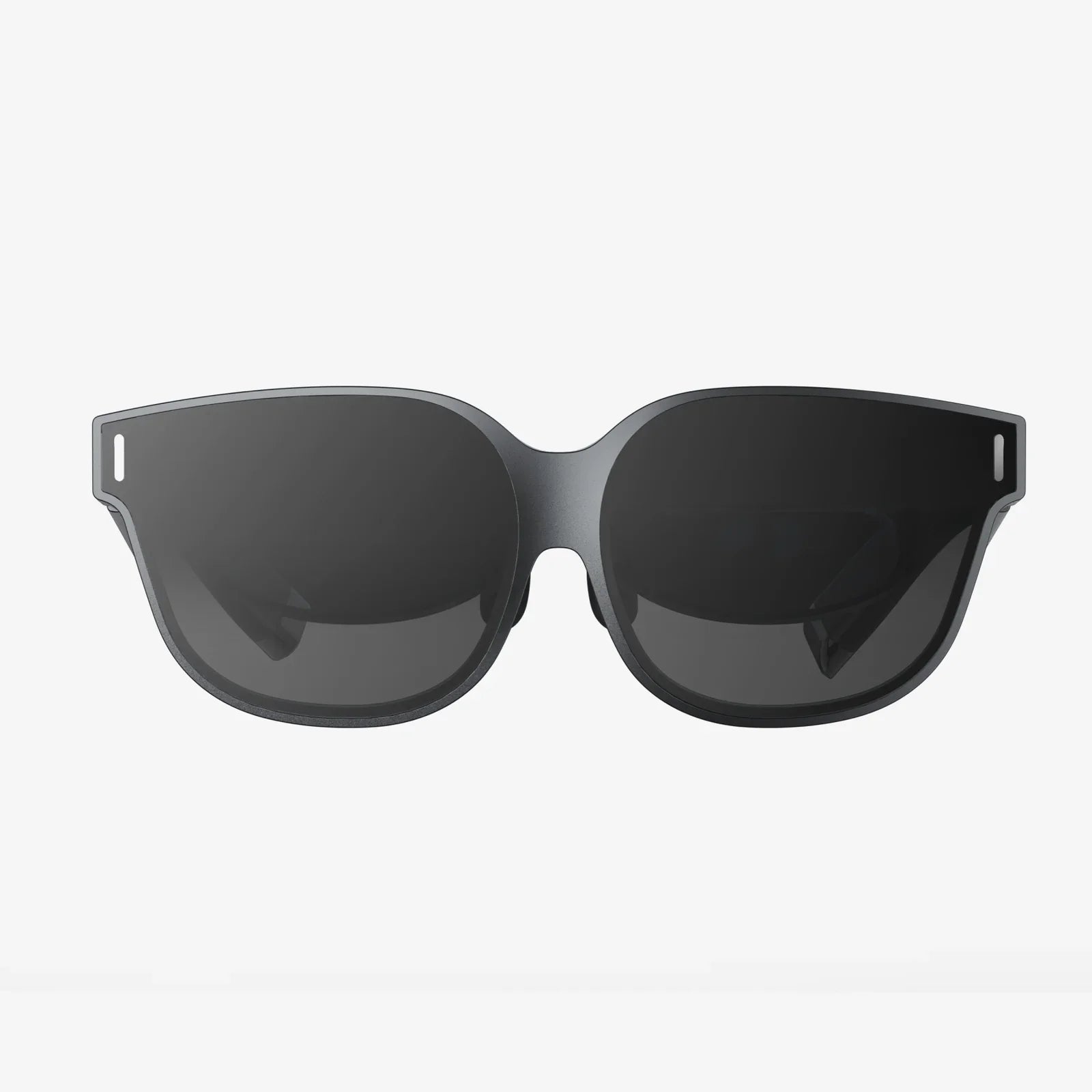
The digital horizon is constantly shifting, but right now, it’s bending, warping, and reshaping itself around a new generation of hardware that promises to finally dissolve the line between our world and the virtual. The question on everyone's lips—from tech enthusiasts to curious newcomers—is a simple one with a complex and thrilling answer. The race to dominate this immersive frontier has entered a pivotal chapter, moving beyond mere novelty into a realm of genuine utility and breathtaking experience. This isn't just about a new screen strapped to your face; it's about a fundamental reimagining of how we interact with information, entertainment, and each other. The latest iterations are more than gadgets; they are portals, and understanding their capabilities is the first step into a larger universe.
The Defining Shift: Beyond Resolution to Intelligence
Previous generations of VR hardware were largely defined by an arms race for higher resolution displays and smoother refresh rates. While these remain critical, the latest wave of headsets marks a paradigm shift. The new benchmark isn't just visual fidelity; it's contextual intelligence and seamless integration. The focus has moved inward, with immense processing power dedicated to understanding the user's environment and their place within it.
This is powered by a sophisticated array of sensors and cameras that constantly map the physical space around you. This isn't just for drawing guardian boundaries; it's about persistent understanding. The headset remembers the layout of your room, the position of your furniture, and can integrate these elements into virtual experiences. This creates a profound sense of stability and allows for mixed reality (MR) applications that are genuinely useful and incredibly compelling.
Unpacking the Core Technologies
To truly appreciate what the latest headsets offer, we must dissect the core technologies working in concert.
Visual Fidelity: The Pursuit of the 'Retina' Moment
The push for pixel density continues, but with a smarter approach. Latest models utilize pancake lenses, a revolutionary optical design that allows for a much thinner and lighter form factor while significantly reducing glare and improving edge-to-edge clarity. Coupled with micro-OLED displays, these headsets achieve stunning contrast ratios with true blacks and vibrant colors, eliminating the washed-out look that plagued earlier LCD-based devices. The combination results in a visual experience that is not only sharper but also more comfortable for extended periods, drastically reducing the screen door effect to near-invisibility.
Inside-Out Tracking and Environmental Understanding
The external sensors and lighthouse towers of old are now almost entirely obsolete. The standard is inside-out tracking, where cameras on the headset itself track the movement of the controllers and the surrounding environment. The latest systems have exponentially improved this technology, with high-fidelity cameras offering a wider field of view and faster processing to eliminate latency and drift.
More importantly, these cameras are the eyes for the headset's digital brain. Through advanced computer vision algorithms, they perform simultaneous localization and mapping (SLAM), creating a real-time 3D mesh of your world. This enables features like:
-
Passthrough MR: A high-resolution, color-corrected video feed of your real environment, allowing digital objects to convincingly interact with your physical space.
-
Obstacle Avoidance: The system can warn you or even dynamically adjust your virtual play space if you get too close to a wall or object.
-
Persistent Anchors: You can place a virtual screen on your real wall or leave a digital note on your desk, and it will remain exactly there the next time you use the headset.
The Rise of Standalone and Hybrid Processing
The market has firmly split into two powerful camps: standalone and PC-connected headsets, with a new hybrid category emerging. Standalone units are all-in-one devices with a mobile processor, battery, and compute unit built directly into the headset. Their freedom from wires is their greatest strength, offering unparalleled ease of use and accessibility.
However, the latest standalone devices are no longer underpowered toys. They pack system-on-chips (SoCs) designed specifically for the immense demands of VR, capable of delivering graphically rich experiences and smooth MR. Conversely, the latest PC-connected headsets are designed as premium portals to the highest-fidelity experiences, leveraging the raw power of a gaming computer to push graphical boundaries that mobile chips cannot yet reach.
The most interesting development is the hybrid model. Some of the newest standalone headsets can also optionally connect to a powerful PC, effectively functioning as both a wireless mobile device and a high-end tethered display. This versatility caters to both the casual user and the hardcore enthusiast, all within a single device.
Intuitive Interaction: Hands, Eyes, and Voice
Controllers are getting smarter, with better haptics that provide more nuanced feedback. But the bigger story is the move towards controller-less interaction. Advanced inside-out tracking now allows for highly accurate hand tracking, enabling you to use your natural gestures to manipulate virtual objects, type, and navigate menus. This feels incredibly intuitive and significantly lowers the barrier to entry.
This is often combined with eye-tracking technology, which uses infrared sensors to precisely monitor where you are looking. This serves two critical functions:
-
Foveated Rendering: This is a game-changer for performance. The headset renders the area where your eyes are focused in high detail, while subtly reducing the detail in your peripheral vision. Since you cannot perceive the reduction, this saves a massive amount of processing power, allowing for better graphics and smoother performance without needing more expensive hardware.
-
Social Expression: In social VR applications, avatars can now mirror your exact eye movements and blinks, conveying nonverbal cues and a startling degree of emotional presence that was previously impossible.
Rounding this out is improved voice command integration, allowing for a truly multimodal interaction system where you can use your hands, eyes, and voice in concert to navigate virtual spaces naturally.
The Software Ecosystem: Where the Magic Happens
The most powerful hardware is useless without compelling software. The ecosystem surrounding the latest headsets has matured dramatically. We are moving beyond isolated games and experiences into full-fledged platforms.
-
Productivity Suites: Imagine working with multiple large, virtual screens in a tranquil environment, collaborating with 3D models at life-size scale, or attending a meeting where remote colleagues feel present in the room with you. This is now a reality, driven by powerful MR applications.
-
Social Platforms: VR social spaces are evolving into persistent worlds where people gather, attend live events, concerts, and movies, fostering a genuine sense of shared presence and community.
-
Fitness and Wellness: VR has proven to be a powerful motivator for exercise, with engaging apps that turn workouts into fun, immersive experiences. Newer wellness applications use biofeedback and immersive environments for meditation and stress relief.
The Challenges and Considerations
Despite the incredible progress, challenges remain. Battery life for standalone devices, while improving, still limits extended untethered MR sessions. There is also an ongoing debate about the metaverse—what form it will ultimately take and how these open or closed platforms will interoperate. Furthermore, as with any new technology, questions regarding privacy, data security (especially from all those room-mapping cameras), and the long-term social effects of prolonged immersion are important and require ongoing attention.
Looking Ahead: The Future is Blended
The trajectory is clear. The goal is no longer to escape reality but to augment and enhance it. The latest headsets are the first true embodiment of this philosophy, serving as platforms for mixed reality. The distinction between VR and AR is blurring, and the ultimate device might be one that can seamlessly shift between fully virtual and digitally augmented real worlds. Future iterations will focus on making the hardware even smaller, lighter, and more socially acceptable—think glasses rather than helmets—while continuing to improve comfort, field of view, and processing power.
This isn't about which device has the highest number in a spec sheet; it's about which ecosystem offers the most compelling vision for the future of computing. The latest VR headsets are no longer a promise of what's to come; they are a tangible, powerful, and increasingly accessible proof of concept. They represent the culmination of years of research and development, finally delivering on the core fantasy of virtual reality: presence. The feeling of truly being somewhere else, or of bringing the digital into your world with convincing fidelity, is no longer science fiction. It's here, and it's more intuitive and awe-inspiring than ever before. The door is open, and the experience waiting on the other side is limited only by the imagination of developers and the willingness of users to take that first step through.