


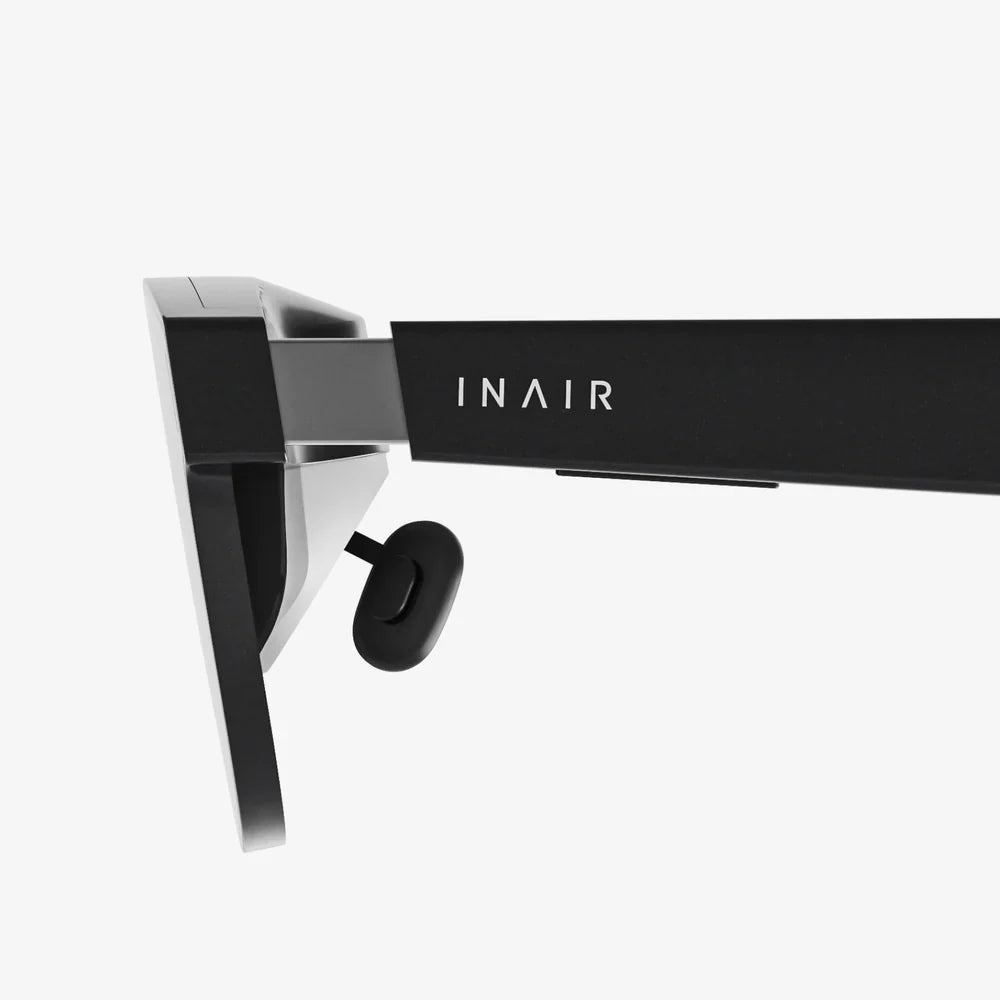
The world is on the cusp of a profound technological shift, one where the boundaries between the digital and physical realms are not just blurred but entirely reimagined. At the heart of this revolution lies the burgeoning ecosystem of Extended Reality (XR) hardware, a market pulsating with innovation, competition, and the promise of a future we once only saw in science fiction. From sleek, consumer-grade augmented reality glasses to powerful, enterprise-focused virtual reality headsets, the devices emerging from this sector are not merely gadgets; they are the gateways to new dimensions of work, play, and human connection. The race to dominate this nascent but explosive market is already underway, and its outcome will define the next era of computing.
The Pillars of Perception: Defining the XR Hardware Spectrum
Before delving into the market dynamics, it is crucial to understand the technological tapestry that constitutes Extended Reality. XR is an umbrella term encompassing a spectrum of immersive technologies, each with distinct hardware requirements and user experiences.
Virtual Reality (VR): The Total Immersion Pod
VR hardware is designed to fully immerse the user in a completely digital environment, effectively shutting out the physical world. The core components of a VR system include:
- Head-Mounted Displays (HMDs): These are the visors or goggles that house the displays, lenses, and tracking sensors. They range from standalone, all-in-one units with onboard processing power to tethered devices that leverage the computational might of a nearby computer or console.
- Tracking Systems: Precise tracking is the bedrock of a convincing VR experience. This can be achieved through inside-out tracking (using cameras and sensors on the HMD itself to map the environment) or outside-in tracking (using external base stations or sensors placed in the room).
- Controllers: These handheld input devices are equipped with their own sensors, allowing users to interact intuitively with the virtual world, mimicking hand and arm movements with remarkable accuracy.
Augmented Reality (AR): The Digital Overlay
AR hardware superimposes digital information—images, text, 3D models—onto the user's view of the real world. The hardware challenges here are significantly different, prioritizing transparency, miniaturization, and context-awareness.
- Optical See-Through Displays: Often in the form of glasses, these devices use waveguides, holographic optical elements, or other advanced optics to project images directly onto transparent lenses, allowing the user to see both the real world and the digital overlay simultaneously.
- Cameras and Sensors: A robust array of cameras (RGB, depth-sensing, infrared) is essential for understanding the user's environment. This enables features like spatial mapping, object occlusion (where digital objects can be hidden behind real-world furniture), and gesture recognition.
- Processing Power: AR requires immense on-device processing to handle computer vision tasks in real-time. This has driven innovation in miniaturized system-on-a-chip (SoC) designs and dedicated AI processors.
Mixed Reality (MR): The Seamless Blend
MR represents the most advanced point on the spectrum, where digital and physical objects not only coexist but can interact in real-time. MR hardware combines the immersive display technology of VR with the advanced sensors and processing of AR, creating devices that can understand and digitize the environment around them to a profound degree.
Market Forces in Motion: Drivers of XR Hardware Adoption
The XR hardware market is not growing in a vacuum. It is being propelled forward by a powerful confluence of technological advancements, evolving consumer expectations, and clear enterprise demand.
The Enterprise Engine: Productivity and Training
While consumer applications capture the imagination, the enterprise sector is currently the most potent driver of XR hardware sales. Companies across manufacturing, healthcare, architecture, and retail are deploying XR solutions to solve real-world problems.
- Design and Prototyping: Engineers and designers use VR to create and interact with 3D models at full scale, identifying issues long before physical prototypes are built, saving immense time and resources.
- Remote Assistance and Collaboration: AR smart glasses allow field technicians to receive visual guidance from remote experts who can "see what they see" and annotate their field of view, drastically reducing downtime and travel costs.
- Immersive Training: From training surgeons on complex procedures to preparing warehouse workers for dangerous scenarios, VR and MR provide a safe, repeatable, and highly effective training environment that improves knowledge retention and outcomes.
The Consumer Catalyst: Gaming and Social Connection
On the consumer side, the market is primarily driven by gaming, which continues to be the killer app for high-end VR. The allure of being "inside the game" is a powerful motivator for early adopters. Furthermore, the concept of the "metaverse"—a persistent network of shared virtual spaces—has ignited interest in XR as the primary interface for social interaction, virtual events, and digital ownership.
Technological Leapfrogging: The Components Getting Better and Cheaper
The hardware itself is becoming more compelling. Key enabling technologies are advancing at a breakneck pace:
- Displays: The shift to Micro-OLED and eventually MicroLED panels offers higher resolutions, faster refresh rates, and better pixel density, crucial for eliminating the "screen door effect" and reducing visual fatigue.
- Optics: Innovations in pancake lenses allow for much slimmer and lighter headset designs, improving comfort for extended use.
- Processing and 5G: More powerful and efficient mobile processors are enabling richer experiences on standalone devices. The rollout of 5G networks also promises cloud-based XR, where the heavy rendering is done on remote servers and streamed to lightweight headsets, overcoming current hardware limitations.
- Haptics and Tracking: Improved hand-tracking algorithms eliminate the need for controllers in many scenarios, while advanced haptic gloves and suits are beginning to provide a sense of touch, deepening immersion.
Navigating the Obstacle Course: Challenges Facing the Market
Despite the exciting progress, the path to mainstream adoption for XR hardware is fraught with significant hurdles that manufacturers must overcome.
The Form Factor Conundrum: Balancing Power and Wearability
The ultimate goal for AR, in particular, is a pair of glasses that are indistinguishable from regular eyewear. Current technology often forces a trade-off between performance (processing power, battery life, field of view) and aesthetics (size, weight, style). Achieving both in a socially acceptable package remains the industry's holy grail.
The Content Conundrum: A Self-Perpetuating Cycle
Hardware sales are dependent on compelling software and content, but developers are hesitant to invest heavily in creating that content until a large enough installed base of hardware exists. Breaking this chicken-and-egg cycle is critical. Enterprise has found its niche applications, but a broader consumer content ecosystem is still developing.
User Experience and Accessibility: Beyond the Tech Demo
For XR to go mainstream, the experience must be seamless. Issues like motion sickness in VR, intuitive user interfaces, easy setup, and overall comfort during long sessions are still areas requiring refinement. The technology must fade into the background, allowing the experience to take center stage.
Privacy and Security: The Data Dilemma
XR hardware, especially AR glasses with always-on cameras and microphones, collects unprecedented amounts of sensitive data about a user's environment, behavior, and even biometric responses. Establishing clear, transparent, and robust data privacy and security frameworks is not just a regulatory necessity but a prerequisite for earning public trust.
The Competitive Landscape: A Battle for the Next Platform
The XR hardware market is a dynamic and fiercely competitive arena, with players from various tech sectors vying for dominance. The strategies differ vastly, from creating closed, vertically integrated ecosystems to building open platforms for broader developer adoption. This competition is driving rapid innovation and pushing the entire industry forward at an accelerated pace.
Gazing into the Crystal Ball: The Future of XR Hardware
The trajectory of the XR hardware market points toward a future of increasingly invisible and powerful technology. We can expect a gradual convergence of AR and VR capabilities into unified MR devices. The distinction between a communication device, a productivity tool, and an entertainment system will blur. The eventual endpoint may not be a headset at all, but something even more integrated, like smart contact lenses or neural interfaces, though these are far on the horizon. In the nearer term, we will see hardware become more specialized, with specific devices optimized for enterprise logistics, high-fidelity simulation, or everyday consumer social computing.
Imagine a world where your workspace is not confined to a desk and monitor but can be summoned and arranged around you in 3D space with a glance. Envision learning a complex skill by practicing on a holographic simulation that responds to your every move. Picture touring a foreign city and having historical facts and translations appear seamlessly overlayed on the very streets you walk. This is the future being built today in R&D labs and on factory floors across the globe. The Extended Reality hardware market is the engine of this transformation, crafting the lenses through which we will fundamentally alter our reality. The devices are moving out of the realm of fantasy and into our hands, and they are poised to redefine everything from how we work and learn to how we connect and create. The gateway is opening; the only question left is what we will build on the other side.
Share:
Highest Resolution VR Headset 2025: A Deep Dive into the Pinnacle of Visual Fidelity
What Is The Latest VR Headset? A Deep Dive Into The New Frontier Of Immersive Technology