


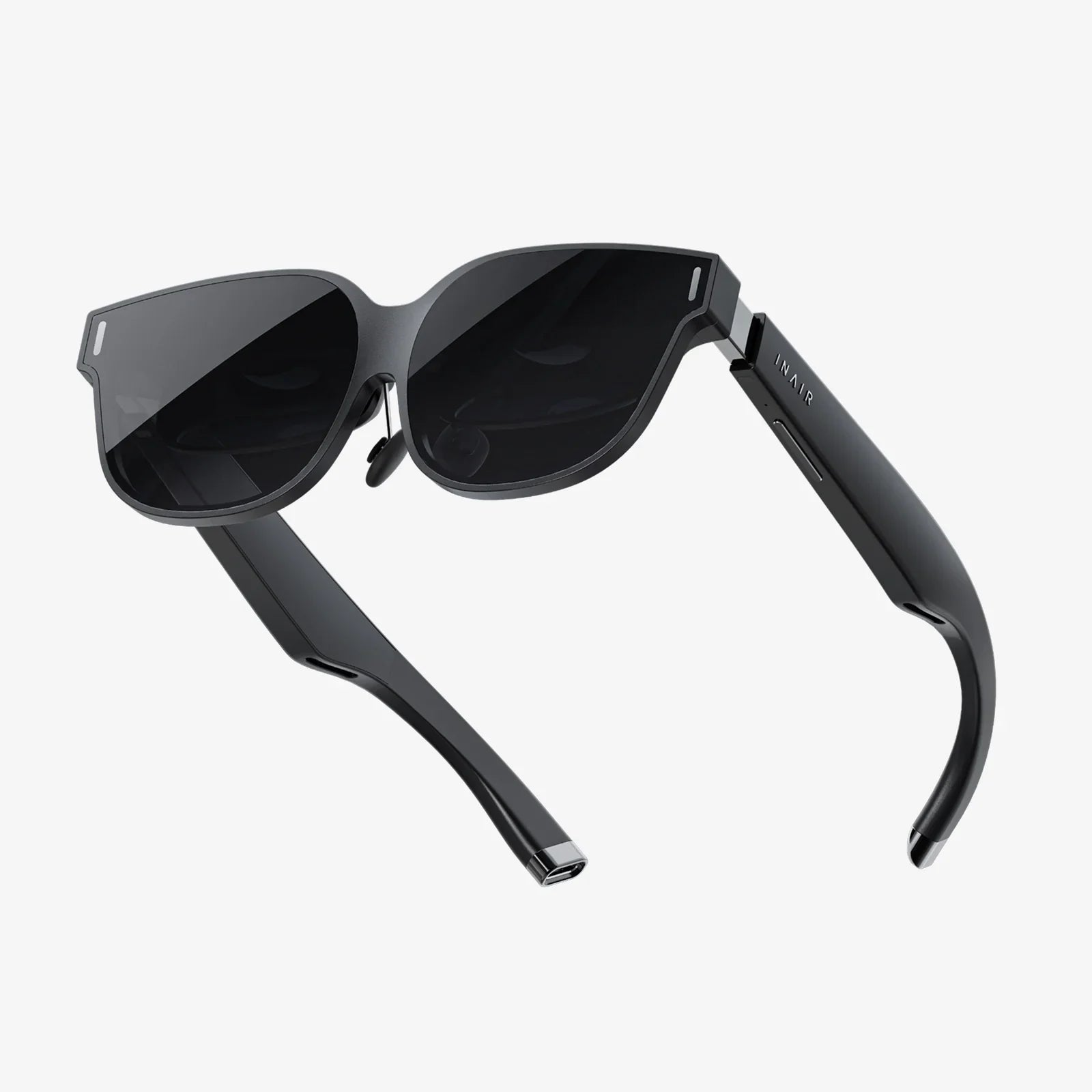
Ever wondered if you can step into the metaverse without emptying your wallet? The world of virtual reality seems like an expensive hobby, reserved for those with deep pockets and high-end gaming rigs. But what if you're just curious, on a tight budget, or looking for a simple introduction to VR? The good news is that the entry barrier is lower than you might think. The quest for the lowest price isn't just about finding a number; it's about understanding what that price gets you, where the hidden costs lie, and whether the experience is worth your investment. This guide will dive deep into the budget-friendly end of the VR spectrum, separating the true bargains from the false economies and helping you find a portal to virtual worlds that respects your finances.
The Landscape of Affordable Virtual Reality
The market for VR headsets has dramatically expanded from its early days. We can broadly categorize the budget options into three distinct tiers, each with its own price point and performance level. Understanding these categories is the first step to finding your perfect low-cost headset.
Category 1: Smartphone-Based VR Viewers
This is the absolute entry-level of VR. These devices are essentially sophisticated holders for your smartphone, using its screen and processing power to create a virtual reality experience. Lenses inside the headset split your phone's display into two images, one for each eye, creating the stereoscopic 3D effect. They lack any internal electronics or tracking sensors beyond a basic magnetic or capacitive trigger for interaction.
The primary advantage of this category is its incredibly low cost. Prices for basic models can be astonishingly low. You can often find simple plastic or cardboard viewers for the price of a casual lunch. However, the experience is extremely limited. Interaction is typically minimal, often limited to gazing at menus or using a single-button Bluetooth controller. The graphical fidelity and immersion are entirely dependent on the quality of your smartphone. High-end phones will provide a better experience, but it will never match the immersion of a dedicated system. These are perfect for consuming 360-degree videos, photos, or trying out very basic VR apps.
Category 2: Pre-Owned and Refurbished First-Generation Standalone Headsets
As the VR market has matured, early generations of capable standalone headsets have begun to cycle into the second-hand market. A standalone headset has all the necessary computing power, sensors, and displays built into the unit itself. It does not require a connection to a phone or a powerful computer to function.
Purchasing a used or refurbished model from a previous generation is one of the most effective ways to access a much higher quality VR experience at a fraction of the original cost. These devices offer six degrees of freedom (6DoF) tracking for both the headset and their controllers. This means you can physically walk around, crouch, lean, and move your hands freely within a virtual space, a monumental leap in immersion compared to smartphone viewers. The library of games and experiences available for these platforms is vast and well-established.
While the initial purchase price for a used unit can be very attractive, it's crucial to consider a few factors. Check the overall condition of the lenses for scratches and the controllers for signs of heavy wear (like drift or unresponsive buttons). Also, remember that these devices are still a tech product; you may need to purchase replacement accessories like facial interfaces or controller batteries.
Category 3: New, Entry-Level Standalone Headsets
Major players in the VR space have recognized the need for more accessible hardware. In response, they have released newer models designed specifically to hit a lower price point. These are not second-hand; they are brand new devices with warranties and modern software support.
These headsets often achieve their lower cost through strategic decisions. This might involve using a lower-resolution display than their flagship siblings, having a slightly less powerful processor, or, in some cases, forgoing certain features like a mechanical IPD (Interpupillary Distance) adjustment in favor of a software-based solution. Despite these compromises, they represent the best value for someone wanting a guaranteed, supported, and modern VR experience without a significant financial outlay. They provide full 6DoF tracking, access to a massive store of content, and are constantly updated with new software features.
Breaking Down the True Cost of Ownership
The sticker price on the headset itself is rarely the whole story. To find the true "lowest price," you must account for all potential expenses that come with your purchase.
The Hidden Expenses
Many first-time buyers are surprised by the ancillary costs of VR. For smartphone-based viewers, the primary cost is already owned: your phone. However, for standalone and PC-based systems, additional costs can appear.
- Content: Unlike a console that might come with a game, most VR headsets have little pre-loaded content. The best games and experiences must be purchased separately. Budgeting for software is essential.
- Essential Accessories: A longer charging cable, a protective case for travel, and perhaps a upgraded head strap for comfort are common purchases that enhance the experience.
- Required Hardware (For PCVR): If you venture into the world of headsets that require a computer, the true cost is the headset plus the cost of a powerful enough PC to run it. This can multiply the investment many times over.
The Cost of 'Free' Experiences
Many platforms offer free apps and games. While this seems like a boon for the budget-conscious, the quality varies wildly. Many free experiences are demos, tech experiments, or are supported by advertising. Relying solely on free content can severely limit your enjoyment of the medium. A robust VR experience typically involves investing in a few premium titles.
Where to Hunt for the Best Deals
Knowing where to look is half the battle in securing the lowest price.
Official Retailers and Seasonal Sales
Major online retailers often have sales during key shopping periods. Black Friday, Cyber Monday, and post-holiday sales are excellent times to find discounts on new hardware, especially on entry-level models. Subscribing to retailer newsletters or setting up price alerts can give you a heads-up.
The Second-Hand Market
Online marketplaces are treasure troves for used VR equipment. Many users upgrade their headsets and sell their old, perfectly functional units at a significant discount. When buying used, always:
- Ask for the original purchase receipt.
- Request clear photos of the lenses (scratches are a deal-breaker).
- Ensure all original components (controllers, cables) are included.
- Check if the device is still eligible for warranty support.
Refurbished Programs
Some manufacturers and large retailers offer official refurbished programs. These devices have been inspected, repaired if necessary, and certified by the company itself. They often come with a limited warranty, providing a much safer alternative to the open second-hand market while still being cheaper than buying new.
Setting Realistic Expectations: What Can You Really Get?
It is vital to align your expectations with the reality of budget VR. The absolute lowest-priced option will not provide the same experience as a high-end model.
Performance and Visual Fidelity
Budget headsets will have lower-resolution displays, which can result in a "screen door effect" where you can faintly see the lines between pixels. The field of view might feel more like looking through binoculars than having a seamless view of a virtual world. Processing power limitations can mean simpler graphics and less complex virtual environments.
Comfort and Build Quality
To hit a low price, manufacturers often use more plastic and less padding. The headset might feel less premium and may not be as comfortable for long play sessions. This is often where aftermarket accessories become appealing, though they add to the total cost.
The Verdict: Is The Cheapest Option Right For You?
The answer depends entirely on your goals. If you are a complete novice with zero experience and just want to dip your toes in the water to see what VR is all about, an ultra-low-cost smartphone viewer might suffice. It's a virtually risk-free way to satisfy a curiosity.
However, if you have tried mobile VR, enjoyed it, and want to experience what truly makes VR revolutionary—the ability to move freely and interact with your hands—then the lowest meaningful price point is a used or new entry-level standalone headset. This category provides the foundational experience that defines modern virtual reality: full immersion and interaction. The jump in quality from a phone-based viewer to even an older standalone headset is so profound that it represents the best value in all of VR.
Ultimately, the pursuit of the lowest price is a balancing act between cost, quality, and experience. The market now offers more choices than ever, ensuring that regardless of your budget, there is likely a VR headset that can open the door to new worlds for you. The journey begins not by finding the cheapest product, but by finding the best value for your personal adventure into virtual reality.
Your passport to another dimension doesn't require a king's ransom. With a little research and smart shopping, you can unlock immersive experiences, from breathtaking games to revolutionary social spaces, for less than the cost of a next-generation game console. The true value of VR isn't measured in dollars and cents, but in the incredible experiences waiting just on the other side of the lens—and now, they're closer than ever.
Share:
4K Resolution VR Headset: The Ultimate Immersion and What It Means for the Future
Most Clear VR Headset - A Visionary Leap Into Unprecedented Realism