


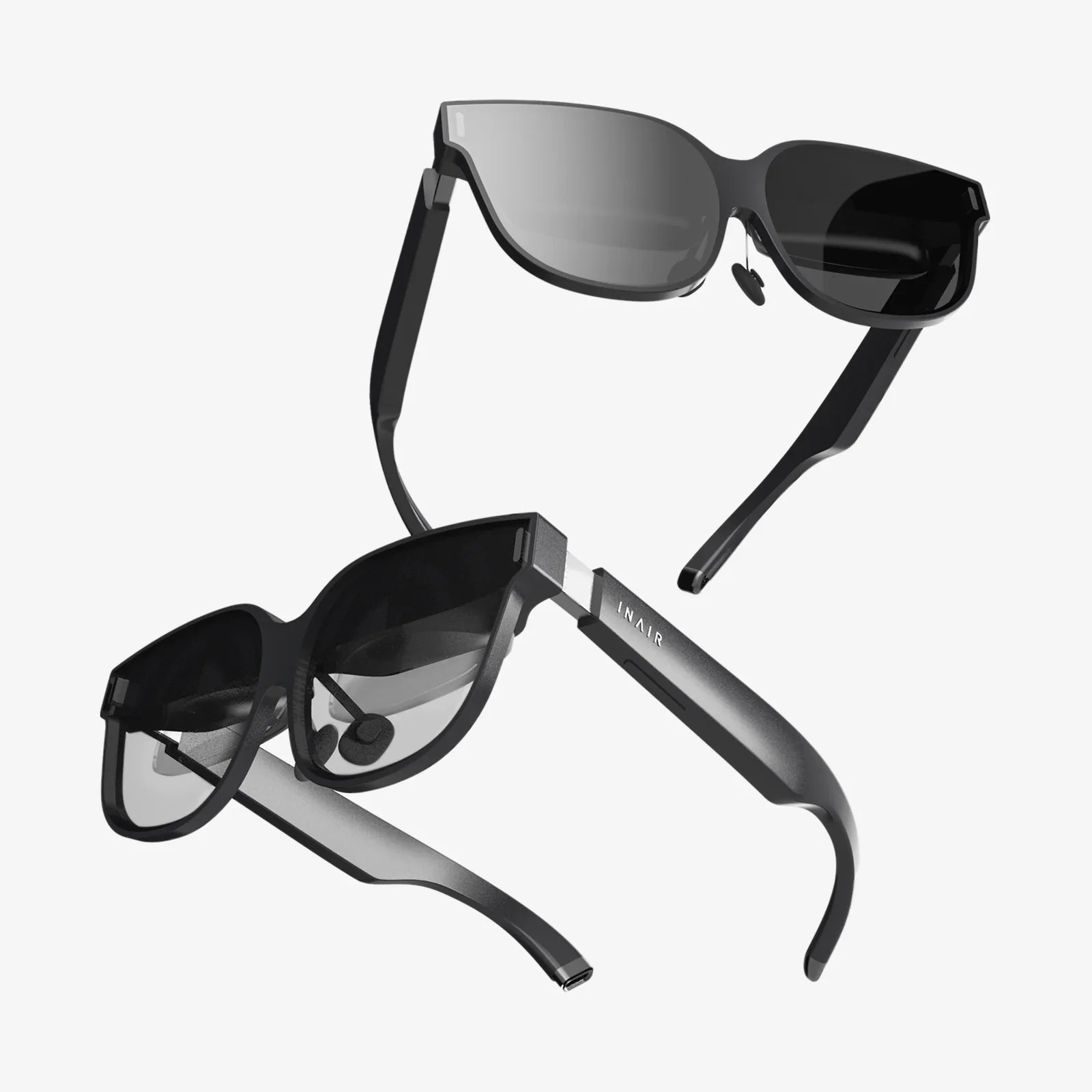
Imagine walking into a bustling coffee shop, a busy office meeting, or a family gathering and catching every single word of the conversation as effortlessly as everyone else. For millions of people who are hard of hearing, this has been a distant dream, a constant challenge navigated through lip-reading, hearing aids, or the occasional strain of misunderstanding. But what if technology could bridge that gap seamlessly? What if a pair of discreet glasses could paint the world with words, transcribing speech into clear, real-time subtitles that appear right before your eyes? This is not a glimpse into a distant sci-fi future; it is the transformative reality offered by a new wave of smart glasses designed specifically for accessibility, promising to redefine communication and social inclusion.
The Auditory World and the Barrier of Sound
Hearing loss is far more than just a medical condition; it is a social and communicative barrier that can lead to isolation, frustration, and missed opportunities. The World Health Organization estimates that over 1.5 billion people globally experience some degree of hearing loss. For these individuals, navigating a world built primarily for hearing people is a daily exercise in adaptation. Traditional solutions like hearing aids and cochlear implants are invaluable for many, but they have limitations. They amplify sound, but they cannot always clarify distorted speech, filter out overwhelming background noise, or help in situations where sound is not present or is unintelligible. Lip-reading is a skilled workaround but is notoriously unreliable, with a significant portion of speech sounds being visually indistinguishable. The cognitive load of constantly piecing together fragments of conversation is exhausting. This is where assistive listening devices often fall short—they address the volume of sound but not always the clarity of communication. The fundamental need is for meaning to be transmitted clearly, regardless of the acoustic environment.
The Core Technology: How It Works
The magic of subtitle-displaying smart glasses lies in the sophisticated convergence of several advanced technologies. At its core, the system is a powerful, wearable speech-to-text engine.
1. Capturing the Audio
It begins with highly sensitive, directional microphones embedded in the frames of the glasses. These microphones are strategically placed to pick up speech from the person or people the user is facing. Advanced beamforming technology allows the system to focus on the primary speaker, much like a shotgun microphone, while actively suppressing ambient noise—the clatter of dishes, the hum of air conditioning, or the buzz of distant conversations. This focused audio capture is the critical first step in ensuring accuracy.
2. Processing and Transcribing
The captured audio stream is then processed. This can happen in one of two ways: on-device or via the cloud. Cloud-based processing leverages powerful remote servers with immense computational power to run state-of-the-art automatic speech recognition (ASR) models. These models, often powered by deep learning algorithms, are trained on vast datasets of human speech, allowing them to understand different accents, dialects, and colloquialisms with high accuracy. The processed audio is converted into text in near real-time. For privacy-conscious users or situations with poor internet connectivity, some devices utilize on-device processing, where a dedicated chip within the glasses handles the transcription without the data ever leaving the device.
3. Displaying the Text
This is the most groundbreaking part. The transcribed text is sent to a micro-display system integrated into the lenses. Using technologies like LED micro-projectors or waveguide optics, the text is projected onto a small, transparent section of the lens, typically in the lower peripheral vision. The user sees the words floating in their field of view, superimposed onto the real world. The text is crisp, high-contrast (often white on a semi-transparent dark background), and positioned so it doesn't obstruct the view of the speaker's face, allowing the user to simultaneously read the subtitles and pick up on valuable visual cues like lip movements and facial expressions.
Beyond the Tech: The Human Impact
The technical specifications are impressive, but the true value of this technology is measured in human moments. For a user, the experience is nothing short of liberating.
- Effortless Social Interaction: Conversations flow naturally. There's no longer a need to constantly ask "What did you say?" or nod along while missing crucial parts of a story. Users report a significant reduction in the mental fatigue associated with socializing.
- Professional Empowerment: In the workplace, these glasses can level the playing field. Meetings, conference calls, and water-cooler chats become fully accessible, enabling greater participation, collaboration, and career advancement without the constant fear of mishearing important instructions or ideas.
- Reclaiming Public Spaces: Activities that were once daunting—ordering at a restaurant, asking a stranger for directions, attending a lecture, or watching a live play—become accessible and enjoyable. The glasses act as a personal, always-available accessibility tool for a world not designed for hearing loss.
- Preserving Connection: Perhaps most importantly, this technology helps preserve and deepen personal relationships. The subtle nuances of a partner's joke, a grandchild's excited story, or a friend's heartfelt confession are no longer lost. It fosters deeper connection and reduces the loneliness that can accompany hearing loss.
Current Limitations and the Road Ahead
While revolutionary, the technology is still in its relative infancy and faces several challenges. Accuracy, though constantly improving, is not perfect. Heavily accented speech, specialized jargon, or extremely noisy environments can still trip up the algorithms. There is a slight latency, a delay between the spoken word and the displayed text, which users must adapt to. Battery life is a constraint, as real-time processing and display are power-intensive, often limiting use to several hours on a single charge. Furthermore, the cost of this advanced technology can be prohibitive for many, though prices are expected to decrease as the technology matures and becomes more widespread.
The future, however, is bright. We can anticipate glasses with longer battery life, faster processing with zero perceptible lag, and near-flawless accuracy across languages and accents. Integration with other smart devices and platforms will create a seamless ecosystem of accessibility. Future iterations could move beyond text to provide visual indicators for specific sounds, like a doorbell ringing or a fire alarm blaring, offering a more holistic picture of the auditory environment.
A New Lens on Life
The development of smart glasses that display real-time subtitles represents a paradigm shift in assistive technology. It moves beyond simply amplifying sound to translating and presenting meaning directly into the user's visual field. It’s a powerful tool for empowerment, independence, and inclusion. This technology does not seek to "cure" hearing loss but to shatter the communication barriers it creates, allowing individuals to fully engage with the world on their own terms. It is a testament to how innovation, when guided by empathy and a desire for inclusivity, can profoundly improve the human experience.
The quiet frustration of missed words and disconnected conversations is being replaced by the quiet confidence of someone who is fully in the loop. This isn't just about reading text on a lens; it's about unlocking a world of interaction that many have been denied, transforming spectators into participants and offering a clearer, more connected way to experience life itself. The conversation has started, and now, everyone can truly be a part of it.
Share:
XR Display Glasses: The Invisible Computer and the Future of Reality
AR Glass Technology: The Transparent Portal to a New Digital Reality