


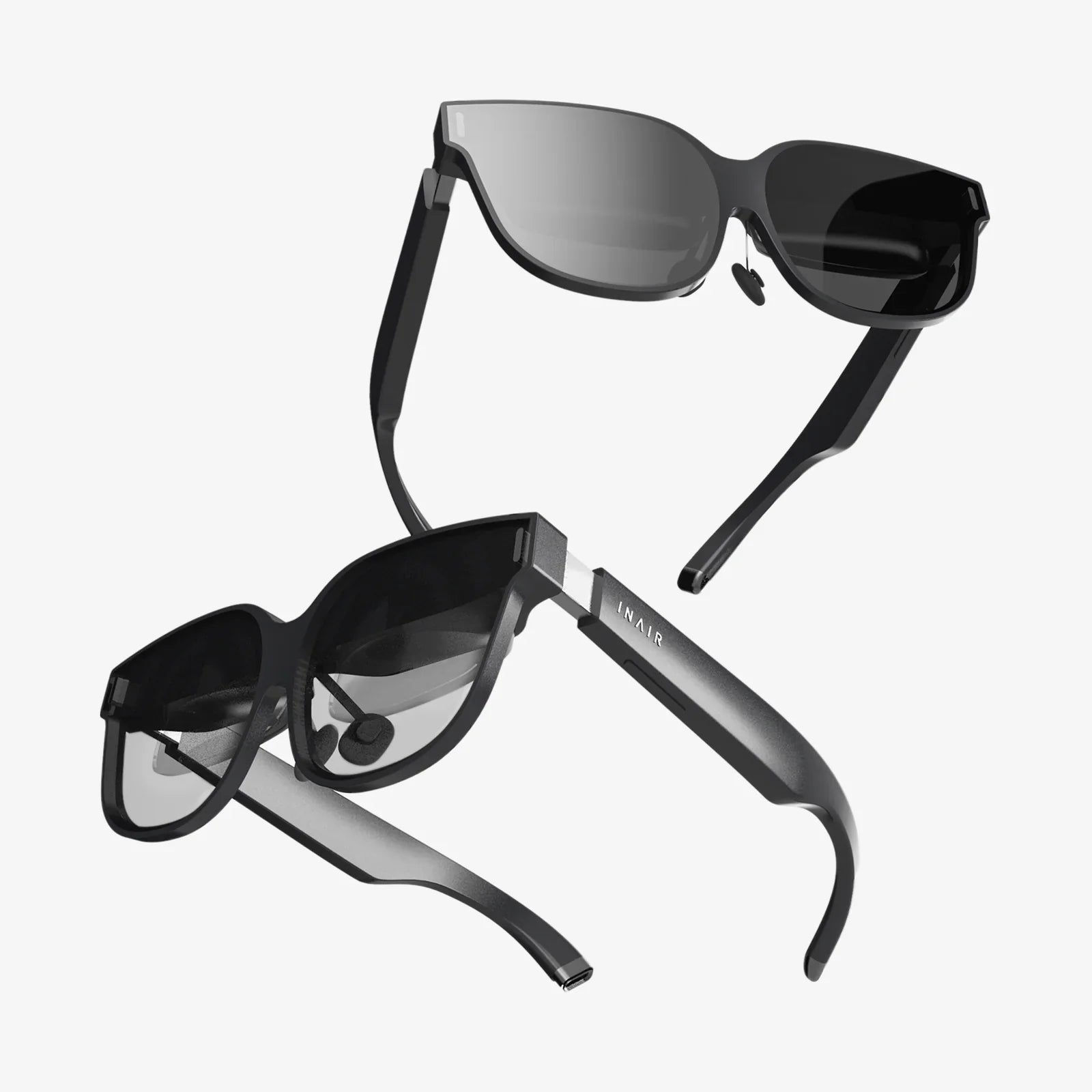
Imagine a world where digital information seamlessly blends with your physical surroundings, where instructions float over machinery, historical figures step out of textbooks, and new dimensions are added to everything you see. This is the promise of augmented reality, a technological revolution not powered by a single magic bullet, but by a sophisticated and diverse suite of software tools. The journey from a groundbreaking idea to an immersive AR experience is paved with complex code, intricate 3D models, and powerful development environments. Understanding this toolkit is the first step to unlocking the potential of this transformative technology and shaping the future of how we interact with the world around us.
The Core of AR Creation: Game Engines and Development Frameworks
At the heart of most modern AR applications lies a category of software so powerful it can create entire worlds: the game engine. While their name suggests a singular purpose, these platforms have evolved into robust, general-purpose environments for real-time 3D development, making them the undisputed workhorses of the AR industry.
One of the most prominent engines is renowned for its user-friendly approach and strong ecosystem. It empowers a wide range of creators, from indie developers to large studios, to build high-fidelity AR experiences. Its visual scripting system lowers the barrier to entry for those less comfortable with traditional coding, while its powerful core supports complex interactions. This engine excels in creating visually rich and interactive AR applications, particularly for marketing, retail, and entertainment purposes.
On the other end of the spectrum, another leading engine is celebrated for its high-performance capabilities and stunning graphical output. It is the engine of choice for projects where visual fidelity and processing complex simulations are paramount. Its source code accessibility provides unparalleled flexibility for developers to customize the engine to their specific needs, which is crucial for enterprise-grade AR solutions that must integrate with specialized industrial hardware or software. This makes it exceptionally popular in demanding fields like automotive design, aerospace, and architectural visualization, where precision and realism are non-negotiable.
Beyond these giants, other open-source and commercial engines are also carving out their niches in the AR landscape, offering alternative workflows and licensing models that appeal to different segments of the developer community.
The Brains of the Operation: AR Software Development Kits (SDKs)
If game engines provide the stage and actors, then AR Software Development Kits (SDKs) are the directors that understand the unique language of the physical world. An SDK is a collection of software tools, libraries, documentation, and code samples that allow developers to integrate AR functionality into their applications. These are the specialized toolkits that enable a device to understand its environment.
The core functionalities provided by these SDKs are what make AR possible. They are responsible for:
- Environmental Understanding: This is the process of scanning and making sense of the physical world. The SDK's algorithms enable SLAM (Simultaneous Localization and Mapping), which allows the device to create a map of an unknown environment while simultaneously tracking its own location within that space. This is the foundational technology that lets digital objects stay pinned to the real world.
- Surface Detection: The software identifies horizontal planes (like floors and tables) and vertical planes (like walls), providing surfaces onto which digital content can be placed and remain stable.
- Occlusion: A more advanced feature where the software allows virtual objects to be realistically hidden behind real-world objects, a critical factor for achieving deep immersion.
- Light Estimation: The SDK analyzes the ambient light in the environment and adjusts the lighting of the virtual objects to match, preventing them from looking like brightly lit cartoons in a dimly lit room.
- Image and Object Tracking: This allows the application to recognize specific 2D images (like a poster or manual) or 3D objects (like a machine part) and trigger an AR experience anchored to them.
Major technology platforms offer their own robust SDKs, designed to work seamlessly with their operating systems and hardware. These kits provide a stable, well-supported foundation for developing AR apps that will run on a vast installed base of smartphones and tablets. They often offer features like shared spatial maps, allowing multiple users to experience the same AR environment simultaneously on different devices.
Furthermore, there are powerful cross-platform SDKs that are designed to work with multiple game engines. Their key advantage is their ability to deploy a single project across iOS, Android, and often other platforms like headsets, drastically reducing development time and complexity for teams targeting a broad audience. Many of these SDKs also offer cloud-based services for storing and sharing AR maps and content, enabling persistent AR experiences that multiple users can return to over time.
Building the Digital Assets: 3D Modeling and Content Creation Software
A powerful engine and a clever SDK are useless without compelling content. The virtual objects, characters, and environments that populate an AR experience are created in a separate class of software: 3D content creation tools. This is where artists and designers bring the digital elements to life.
The industry standard for 3D modeling, animation, and rendering is a software package used by millions of artists worldwide. It provides an incredibly comprehensive toolset for creating everything from simple product models to complex animated characters. Its flexibility and powerful modifier-based workflow make it ideal for generating the optimized 3D assets required for real-time AR applications.
Another highly popular software focuses on a more intuitive, sculpting-oriented approach to 3D creation. It feels more like working with digital clay and is exceptionally good for creating organic shapes, detailed characters, and complex textures. Assets created here are often finalized and optimized in other software before being imported into a game engine.
For the crucial step of texturing—painting colors, surfaces, and material properties onto 3D models—software like Substance Painter has become the go-to solution. It allows artists to create incredibly realistic, physically-based rendering (PBR) materials that react correctly to light in the AR environment, making virtual objects look like they are truly made of metal, wood, plastic, or fabric.
Finally, 2D design software remains essential for creating the user interface (UI) elements—buttons, menus, icons, and informational graphics—that users interact with in the AR application. These tools are used to design intuitive and visually pleasing interfaces that overlay the AR view without cluttering or disrupting the immersive experience.
Specialized AR Platforms and No-Code/Low-Code Solutions
Not every AR project requires a full team of software engineers and 3D artists. Recognizing this, a growing segment of the market offers specialized web-based platforms and no-code/low-code solutions. These tools democratize AR creation, making it accessible to marketers, educators, trainers, and small business owners.
WebAR development platforms allow creators to build AR experiences that run directly in a mobile web browser, eliminating the need to download a dedicated app. These platforms typically offer web-based editors where users can upload images, 3D models, and videos, and then design simple interactions like animations or product information pop-ups. The experience is accessed by simply scanning a QR code or visiting a URL, offering a frictionless user journey. This is ideal for marketing campaigns, product packaging, and promotional materials.
For enterprise training and remote assistance, there are platforms focused on authoring AR content for step-by-step instructions. These tools allow subject matter experts to quickly create digital work guides that overlay information onto physical equipment, helping to train employees or assist field technicians through complex procedures without deep technical knowledge of game engines.
These solutions represent the low-code/no-code end of the spectrum, prioritizing ease of use and speed of deployment over the deep customization available in a full game engine setup.
Choosing the Right Tool for the Job: A Strategic Decision
With this vast array of options, selecting the right software stack is a critical strategic decision that depends entirely on the project's goals, budget, and technical expertise.
For mobile app-based AR (e.g., immersive games, complex retail apps): The combination of a powerful game engine (like Unity or Unreal Engine) integrated with a dedicated AR SDK (like ARKit, ARCore, or a cross-platform alternative) is the industry standard. This provides the highest level of performance, visual quality, and interactivity.
For marketing and web-based campaigns: A WebAR platform is often the best choice. It offers a lower cost of entry, faster creation time, and, most importantly, eliminates the friction of app downloads, allowing for a much larger potential reach.
For industrial and enterprise applications (e.g., assembly guidance, remote expert): The decision hinges on the need for customization and integration. A game engine offers the most control for complex, custom integrations with enterprise software systems (like ERP or IMS). Alternatively, a dedicated enterprise AR platform might offer faster time-to-value for standardized use cases like guided instructions.
The choice is never absolute, and many professional workflows involve a blend of these tools. A 3D asset might be sculpted in ZBrush, retopologized and UV-mapped in Blender, textured in Substance Painter, and then animated and brought to life within a game engine using an AR SDK for final deployment.
The Future of AR Software: Trends and Evolution
The landscape of AR software is not static; it is evolving rapidly to embrace new paradigms and technologies. Several key trends are shaping its future direction.
Cloud-based AR services are becoming increasingly important. Offloading heavy processing tasks—like dense environment mapping, object recognition, and rendering complex models—to the cloud allows for more sophisticated experiences on thinner, less powerful devices. This enables persistent world-scale AR that can be shared and experienced by millions of users simultaneously.
Furthermore, the integration of artificial intelligence and machine learning is making AR smarter. AI can enhance scene understanding, enabling more accurate object recognition and semantic labeling of environments (e.g., identifying a "chair," "window," or "production line"). AI can also be used to generate 3D content automatically from 2D images or to create more natural and responsive interactions with virtual characters.
As wearable AR glasses mature towards consumer-ready form factors, the software is adapting to a new set of constraints and opportunities. Development is shifting towards optimizing for spatial computing, where digital content is not confined to a smartphone screen but is permanently anchored in the user's field of view, requiring new interaction models and a renewed focus on comfort and context-awareness.
The software that powers augmented reality is a symphony of specialized tools, each playing a critical role in bending reality. From the powerful game engines that render new worlds to the intelligent SDKs that anchor them to our own, and from the artist's creation software to the democratizing no-code platforms, this ecosystem is the true engine of the AR revolution. Understanding these components is your key to not just witnessing this change, but to actively building upon the very fabric of our perceived reality.
Share:
XR vs AR Glasses: The Ultimate Guide to Understanding the Future of Wearable Tech
Glasses with Built in Screen The Invisible Revolution Reshaping Our Digital Lives