


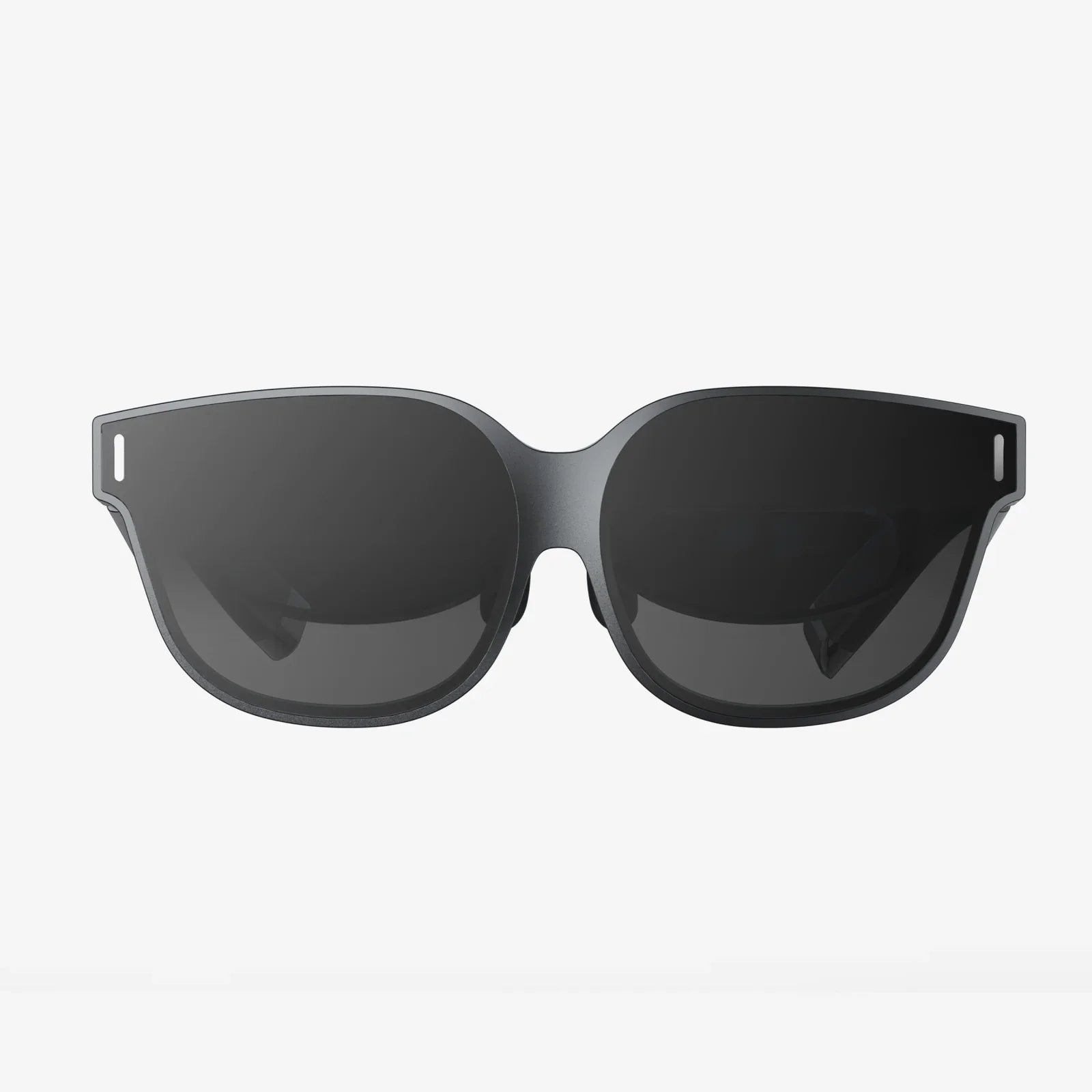
Close your eyes for a moment and listen. Not just to the obvious sounds, but to the world around them. The distant hum of a lawnmower several streets away, the precise chirp of a bird in the top left branch of a tree, the faint echo of a voice from an open window. This is how we hear naturally—in three dimensions. Our brains are exquisitely tuned to pinpoint the location, distance, and movement of sounds, creating a rich, immersive audio canvas that informs and shapes our reality. For decades, recorded audio has been a flat, compressed imitation of this experience, confined to the left and right of our heads. But a revolution is underway, promising to shatter those constraints and return depth, space, and breathtaking realism to our ears. This is the promise and the profound meaning of spatial audio.
The Anatomy of Hearing: How We Perceive Space
To truly grasp what spatial audio means, we must first understand the biological marvel that is human hearing. We don't hear with just our ears; we hear with our entire head and brain. This complex process, known as binaural hearing, relies on three key cues:
- Interaural Time Difference (ITD): This is the minute difference in the time it takes for a sound to reach your left ear versus your right ear. A sound originating from your right will hit your right ear microseconds before it reaches your left. Your brain is so finely attuned that it can detect this tiny delay to calculate the sound's horizontal position.
- Interaural Level Difference (ILD): This refers to the difference in sound pressure level (volume) between your two ears. Your head creates an acoustic shadow, meaning a sound coming from the right will be slightly louder in your right ear and slightly quieter in your left ear. This helps the brain determine direction.
- Spectral Cues: The unique shape of our outer ears (the pinnae) and head subtly alters the frequency content of a sound depending on where it's coming from. A sound from above will reflect off the folds of your ear differently than a sound from behind or below. Your brain has learned these subtle spectral fingerprints over a lifetime, allowing for incredible vertical and front/back localization.
Traditional stereo audio completely fails to replicate these cues. It simply sends one signal to the left channel and another to the right, creating a one-dimensional line of sound between your ears. Spatial audio's mission is to computationally recreate these natural cues for headphones or a multi-speaker setup, tricking your brain into perceiving sounds anywhere in a 360-degree sphere.
Beyond Stereo: The Core Technologies Powering Immersive Sound
Spatial audio is not a single technology but rather a collection of techniques and codecs working in concert. The most common and effective method for delivering a personalized 3D soundscape is through object-based audio.
Imagine a traditional stereo mix is like a baked cake. The baker (audio engineer) has combined all the ingredients (instruments, vocals, effects) into a final, unchangeable product. If you want to change it, you have to bake a new cake. Object-based audio, the foundation of most spatial audio formats, is different. It's like being sent the individual ingredients along with a recipe. The "ingredients" are the individual audio objects—a singer's voice, a guitar, a passing car, a falling raindrop. Each object is accompanied by metadata that describes its intended position in a three-dimensional space at any given moment (e.g., "this car sound should move from behind the listener to the front right over 5 seconds").
Your playback device—be it a phone, computer, or home theater receiver—acts as the chef. It takes these audio objects and their positional data and, in real-time, renders the final sound mix specifically for your equipment. This rendering process is where the magic happens. If you're using standard speakers, it will create a mix optimized for your specific speaker layout (5.1, 7.1.4, etc.). If you're using headphones, it employs a sophisticated Head-Related Transfer Function (HRTF).
The Role of the HRTF: Your Personal Audio Map
The HRTF is the mathematical key to spatial audio. It's a set of filters that mimics the way your specific head and ear shape modifies a sound coming from a particular point in space. By applying the correct HRTF filters to an audio object, the processor can make it seem like the sound originated from outside your head, complete with all the time, level, and spectral cues you would experience in the real world.
Generic HRTF models are based on averages of human anatomy and work reasonably well for most people. However, the future lies in personalized HRTF profiles, which could be created by scanning a user's ears with a phone's camera, leading to an even more precise and convincing auditory illusion.
A Universe of Applications: More Than Just a Gimmick
The implications of spatial audio extend far beyond a novel listening experience. It is fundamentally changing how we interact with media and each other.
The Cinematic Experience at Home
For film and television, spatial audio is a game-changer. It brings the immersive power of a premium Dolby Atmos cinema into your living room. Imagine watching a thriller and hearing the creak of a floorboard directly above you, or a nature documentary where the call of a whale seems to emanate from the deep abyss all around you. It adds a layer of suspense, realism, and emotional engagement that stereo cannot match, making you feel truly inside the story.
The Future of Music Production and Consumption
In music, spatial audio liberates artists from the stereo field. Instead of placing instruments on a simple left-to-right spectrum, a producer can now place a listener inside the music. A choir can sound like it's surrounding you, a guitar solo can feel like it's circling your head, and ambient textures can occupy a vast, open space. This allows for a more artistic and expressive mix, turning a song into an immersive environment to be explored. For the listener, it creates a more intimate and present connection to the music, as if they are standing in the studio or on stage with the artist.
The Ultimate Gaming Advantage
In gaming, spatial audio is not just an enhancement; it's a tactical tool. Competitive players rely on audio cues to locate opponents—the direction of footsteps, the reload of a weapon, the rustle of grass. Spatial audio provides pinpoint directional accuracy, allowing players to react faster and with greater precision. In narrative-driven games, it builds worlds. The drip of water in a cave, the whisper of a character behind you, the roar of a dragon flying overhead—all these elements combine to create an unparalleled level of immersion and believability.
Revolutionizing Communication and the Metaverse
The potential of spatial audio in communication and virtual spaces is perhaps its most profound application. In a video or virtual reality conference, applying spatial audio to participants' voices means you can distinguish who is speaking based on their position on the screen or in the virtual room, mimicking the natural flow of a real-life meeting. This reduces cognitive load and makes conversations feel more natural.
Looking ahead to concepts like the metaverse or augmented reality, spatial audio is non-negotiable. For a virtual world to feel authentic, its soundscape must behave like the real one. The chatter in a virtual plaza should feel like it's coming from all around you. A virtual friend walking up to your left should sound like they are on your left. It is the critical auditory layer that sells the illusion of presence, making you feel like you are truly "there" and connecting with others in a shared digital space.
Challenges and The Road Ahead
Despite its promise, spatial audio faces hurdles. Creating content requires new skills and tools for audio engineers. Not all playback devices are created equal, and the quality of the rendering can vary significantly. There's also the challenge of adoption; consumers need access to spatial audio tracks and compatible hardware to experience it fully.
Yet, the trajectory is clear. As processing power becomes more ubiquitous and content creation tools become more accessible, spatial audio will shift from a premium feature to a standard expectation. We are moving towards a world where immersive, three-dimensional sound is the default, not the exception.
So, what does spatial audio mean? It means a return to sonic realism. It means the dissolution of the stereo barrier that has confined our listening experience for generations. It means deeper emotional connections to art, more thrilling entertainment, and more intuitive ways to communicate. It is the final piece of the immersive puzzle, adding the depth of real-world hearing to the digital experiences that define our lives. This isn't just a new feature; it's the next fundamental evolution of audio itself, and it's pulling us into a richer, more dimensional world of sound.
Share:
Where Can I Get a Virtual Reality Headset - Your Ultimate Guide to Finding the Perfect VR Experience
Augmented Reality vs Virtual Reality: A Comprehensive Guide to Our Digital Future