


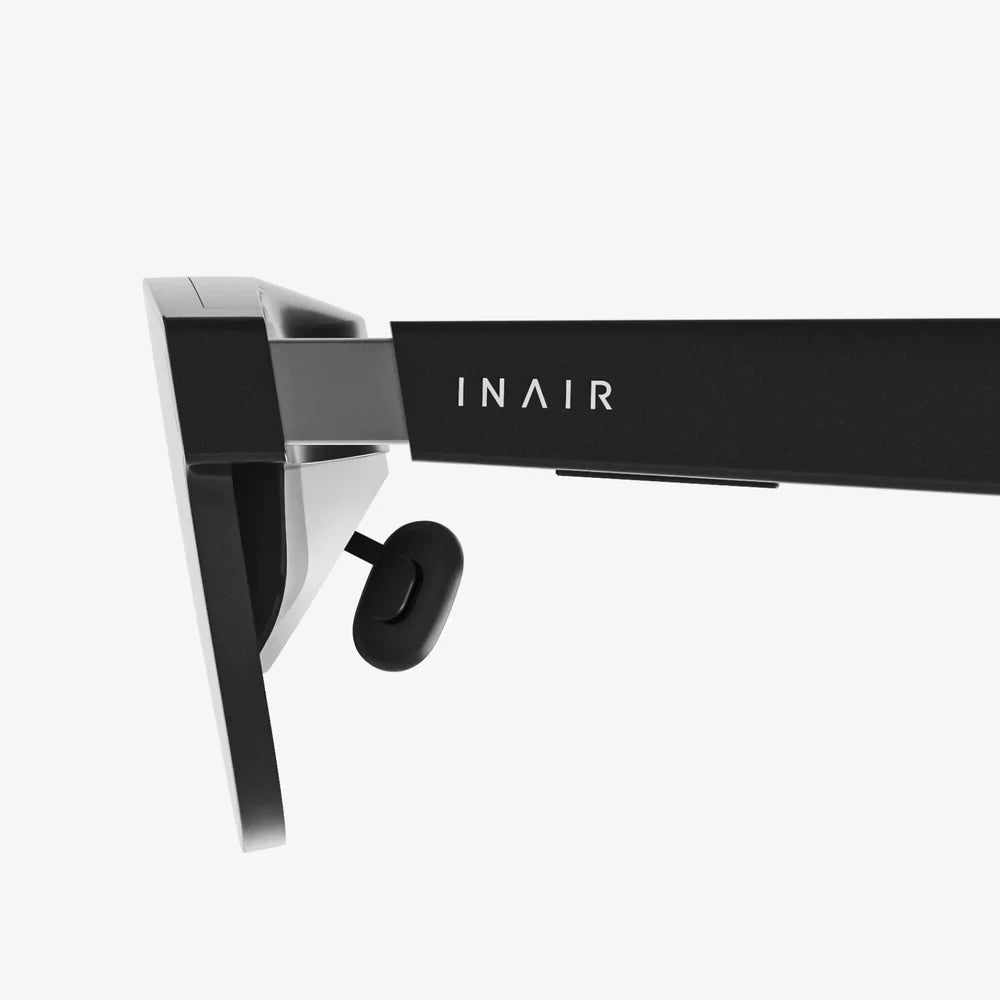
Imagine stepping into a breathtaking virtual world, exploring alien landscapes, battling epic monsters, or sitting front row at a concert, all without a single wire tethering you to a bulky, expensive computer. This isn't a glimpse into a distant future; it's the accessible, revolutionary reality offered by standalone VR headsets. The quest for immersive, untethered freedom is over, and the answer lies in understanding what VR headset does not require a PC.
The Rise of the Standalone VR Headset
Virtual Reality has undergone a dramatic evolution. In its earlier consumer iterations, the experience was synonymous with high-end desktop computers, a spiderweb of cables, and external sensors that needed precise calibration. This high barrier to entry—both in terms of cost and technical setup—prevented many from experiencing the magic of VR. The industry needed a paradigm shift, a way to democratize virtual reality and make it as easy to use as slipping on a pair of sunglasses. This necessity gave birth to the standalone VR headset, a category of device that is entirely self-contained.
These all-in-one devices represent a monumental leap in engineering and accessibility. They integrate the display, processors, sensors, battery, and speakers into a single, wearable unit. This consolidation means there are no external boxes to connect, no drivers to install, and no constant fear of tripping over a cable during an intense gameplay session. The standalone headset has successfully moved VR from a niche hobby for tech enthusiasts into a mainstream entertainment platform, opening doors for use in education, fitness, social connection, and casual gaming for a vastly broader audience.
How Do Standalone Headsets Work Their Magic?
At the heart of every standalone VR headset is a miniaturized computing system, not unlike the powerful chip found in a high-end smartphone. This System-on-a-Chip (SoC) is the engine of the device, responsible for everything from rendering the complex 3D environments to tracking your precise movements in real-time.
The magic of immersion is achieved through a combination of sophisticated technologies:
- Inside-Out Tracking: This is the cornerstone of untethered freedom. Instead of relying on external cameras or sensors placed around your room (called outside-in tracking), standalone headsets use multiple wide-angle cameras mounted on the headset itself. These cameras continuously scan your physical environment, identifying unique features like furniture corners, patterns on a rug, or wall edges. By analyzing how these reference points move in relation to the headset, the device can calculate its own position and orientation in space with remarkable accuracy, all without any external hardware.
- Integrated Displays & Lenses: High-resolution LCD or OLED screens are positioned mere centimeters from your eyes. Sophisticated lenses then focus and reshape the image from these screens, creating a wide field of view that fills your vision and sells the illusion of being inside the virtual world. Advanced features like adjustable IPD (Inter-Pupillary Distance) allow users to fine-tune the lens spacing for a clearer, more comfortable image.
- Onboard Compute Power: The integrated mobile processor handles the immense task of running the VR experience. It generates two slightly different perspectives for your eyes to create depth, manages the complex tracking data, runs the operating system, and delivers the content, all while managing power consumption and heat dissipation to ensure a smooth and comfortable experience.
The Unbeatable Advantages of Going Standalone
Choosing a headset that doesn't require a PC isn't just about avoiding wires; it's about embracing a fundamentally different and more accessible way to experience VR.
- Ultimate Portability and Convenience: This is the single biggest advantage. Your entire VR system is the headset and its controllers. You can easily take it to a friend's house, use it in a different room, or even pack it for a trip (provided you have a space to play). Setup is often as simple as putting on the headset and defining your play area, which takes just minutes.
- Significantly Lower Barrier to Entry: The financial aspect cannot be overstated. A capable VR-ready PC can easily cost well over a thousand dollars on its own, on top of the price of a PC-connected headset. A standalone headset includes all the necessary hardware in one purchase, making high-quality VR accessible to millions who don't own and don't wish to invest in a high-end gaming computer.
- A Truly Wireless and Safe Experience: The liberation of no cables is both an immersion booster and a safety feature. You can spin, crouch, dodge, and swing your arms without a second thought, fully engaging with the virtual environment without the subconscious fear of yanking a cord and damaging equipment. This freedom is essential for active games, especially in the fitness genre.
- User-Friendly Ecosystem: Standalone headsets operate on curated platforms with dedicated digital storefronts. Downloading apps, games, and experiences is a seamless process managed through an intuitive interface within the headset itself, much like using a smartphone app store. This simplicity removes the technical friction often associated with PC gaming.
Understanding the Trade-Offs: Performance and Content
While standalone VR offers incredible freedom, it's important to understand its current limitations compared to the raw power of a high-end PC. The mobile processors in standalone headsets, though impressive, cannot match the graphical fidelity and computational might of a desktop-grade GPU and CPU.
This power differential manifests in a few key areas:
- Graphical Fidelity: Games on standalone platforms often have simpler textures, less complex lighting and shadow effects, and lower-polygon-count models than their PC VR counterparts. The visual experience is comparable to the difference between a mobile game and a top-tier AAA console title. The focus is on smooth performance and fun gameplay over photorealistic visuals.
- Processing Complexity: Highly complex simulations, vast open worlds with minimal loading, and experiences with a huge number of simultaneous physics calculations are typically beyond the scope of current standalone hardware. The experiences are often more curated and optimized specifically for the platform's capabilities.
- Battery Life: As a self-powered device, battery life is a finite resource. Most headsets offer between two to three hours of continuous use on a single charge, which is generally sufficient for most gaming sessions but requires a conscious charging routine.
Furthermore, the library of content, while vast and growing rapidly, is platform-specific. A game available on a PC VR platform may not be available on a standalone store, and vice versa. However, the standalone libraries are incredibly robust, featuring thousands of titles across every genre imaginable.
Key Considerations Before You Buy
If the freedom of a standalone headset appeals to you, here are the crucial factors to weigh before making a purchase decision:
- Content Library: Explore the official store for the headset you're considering. Does it have the games and apps you are most excited about? Each platform has its own exclusives and strengths, whether it's in social experiences, fitness apps, or specific game franchises.
- Display Quality: Look for specifications like resolution (higher is better for reducing the "screen door" effect), refresh rate (90Hz and above is ideal for smoothness), and lens quality. These factors directly impact visual clarity and comfort.
- Comfort and Ergonomics: A VR headset is something you wear. Factors like weight distribution, padding, adjustable straps, and facial interface material are critical for longer sessions. If possible, try one on before you buy.
- Storage Capacity: Games and experiences can take up significant storage space. Opting for a model with more built-in storage (e.g., 128GB or 256GB) future-proofs your investment and prevents constant juggling of installed apps.
- Additional Features: Some headsets offer advanced features like color passthrough cameras for blending the real world with the virtual (Augmented Reality), eye-tracking for more intuitive menus and social expression, and expandable memory via microSD cards.
Beyond Gaming: The Expansive World of Standalone VR
While gaming is a massive driver, the applications for untethered VR extend far beyond it. The convenience of a standalone device makes it a perfect tool for:
- Fitness and Wellness: A plethora of dedicated fitness apps turn your play space into a virtual gym, offering boxing, rhythm games, yoga, and HIIT workouts that are both fun and physically demanding.
- Social Connection: Social VR platforms allow you to meet friends, family, and strangers in virtual spaces as customizable avatars. You can watch movies together, play social games, attend live events, or simply hang out and chat as if you were in the same room, making distance feel irrelevant.
- Productivity and Learning: Imagine working on multiple virtual screens in a serene environment of your choosing or exploring human anatomy in 3D as a medical student. Standalone VR offers powerful tools for remote collaboration and immersive education.
- Media Consumption:
- Watching movies on a giant virtual screen in a personal theater or experiencing 360-degree videos from the top of Mount Everest or the depths of the ocean provides a level of engagement that a traditional television simply cannot match.
The era of being chained to a desk to experience virtual reality is over. Standalone VR headsets have shattered that old paradigm, offering a compelling, convenient, and incredibly fun portal to digital worlds. They represent the most significant step yet toward making VR a ubiquitous part of our daily lives for work, play, and connection. The future of virtual reality isn't in a tangled mess of cables—it's resting comfortably on your head, ready to transport you anywhere, anytime.
Share:
VR Headset Not for Phone: The Ultimate Guide to Standalone and PC-Powered Virtual Reality
VR Headset Means More Than a Gadget: It's a Portal to New Realities