


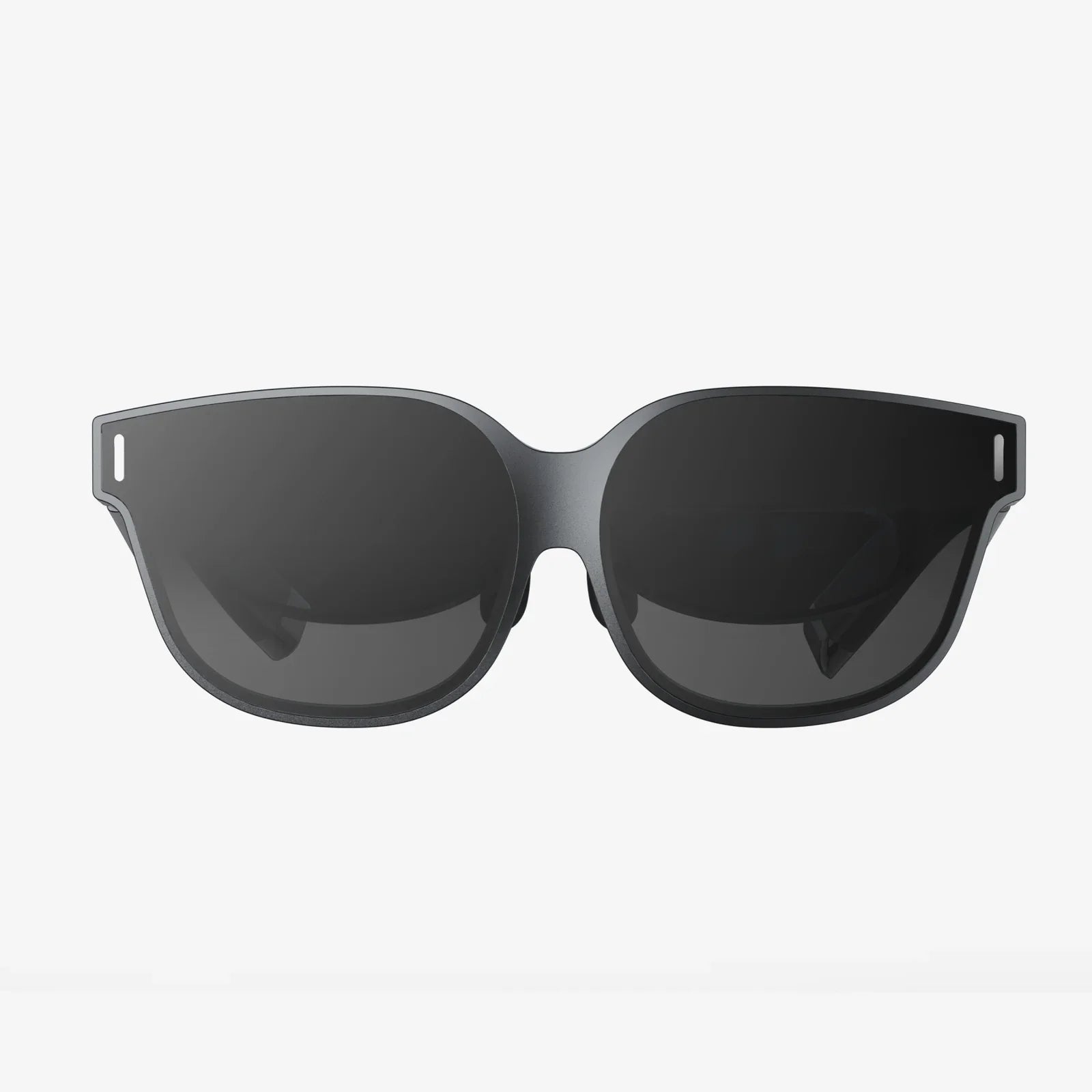
Imagine slipping on a headset and instantly being transported—not to a fantastical game world, but to your corporate headquarters for a meeting with colleagues who appear as lifelike avatars, to a surgical theater to observe a groundbreaking procedure from the surgeon’s perspective, or to a reconstructed ancient city to walk its streets as they were millennia ago. This is the imminent future of virtual reality, a technology rapidly shedding its skin as a niche gaming peripheral to emerge as one of the most transformative tools of the 21st century. The question is no longer if VR will integrate into our professional and personal lives, but how deeply and profoundly it will do so.
Revolutionizing Education and Training
The potential for virtual reality to redefine learning is staggering. It moves education from a passive, abstract exercise to an active, immersive experience. Instead of reading about the Roman Empire, students can take a guided tour of the Colosseum, witnessing gladiatorial combat and hearing the roar of the crowd. Medical students, who traditionally learned anatomy from textbooks and cadavers, can now step inside a photorealistic, interactive human body, peeling back layers of muscle, tracing neural pathways, and observing the rhythm of a beating heart from within the chambers themselves.
This application extends powerfully into professional training. High-risk, high-cost professions can leverage VR for safe, repeatable, and incredibly realistic simulations. Aspiring pilots can practice emergency procedures in a virtual cockpit facing every conceivable malfunction without ever leaving the ground. Firefighters can train for navigating zero-visibility, intensely hot environments to rescue victims. Engineers can assemble and disassemble complex machinery, from jet engines to industrial turbines, learning the intricacies of each component without the need for a physical, multi-million dollar model. This hands-on, experiential learning drastically improves knowledge retention, skill acquisition, and safety preparedness.
Transforming Healthcare and Therapy
Beyond training, VR is becoming a direct tool for treatment and therapy in the medical field, offering new hope for conditions that have been historically difficult to manage. One of the most established uses is in exposure therapy for patients with phobias and anxiety disorders. A person suffering from acrophobia, or fear of heights, can be gradually and safely exposed to virtual balconies, bridges, and skyscrapers. A therapist can control the environment completely, increasing the intensity at a pace the patient can handle, all within the security of the therapist’s office.
The applications are vast and innovative. VR is used for pain management, particularly for burn victims during wound care. By immersing patients in a calming, engaging virtual world like a snowy landscape, the brain's attention is redirected from painful stimuli, significantly reducing the perceived pain. Physical rehabilitation is also being enhanced; patients recovering from strokes or injuries can perform prescribed exercises within game-like environments that make repetitive motions more engaging and allow therapists to track progress with precise data. Furthermore, VR is providing empathetic insights into conditions like dementia and schizophrenia, helping medical professionals and caregivers better understand the experiences of those they are helping.
Redefining Remote Work and Collaboration
The global shift toward remote work has revealed the limitations of traditional video conferencing tools. They facilitate communication but often lack the nuance, spontaneity, and presence of being in a room together. Virtual reality promises to create the ultimate home office, or rather, eliminate its boundaries. The concept of the "metaverse office" involves putting on a headset and joining colleagues as avatars in a virtual meeting room, a collaborative design studio, or even a virtual prototype of a new product.
Architects and designers can walk clients through unbuilt structures at a 1:1 scale, making changes to the virtual model in real-time. Global teams can gather around a 3D model of a new engine, examining it from every angle and annotating components directly. This spatial collaboration fosters a level of understanding and teamwork that flat screens cannot replicate. It combines the flexibility of remote work with the collaborative power of physical presence, potentially reducing the need for business travel and opening up new possibilities for global talent collaboration. This will not just change where we work, but fundamentally how we create and innovate together.
Expanding Social Connection and Experience
At its core, VR is a profoundly social technology. It offers the promise of shared experiences that transcend physical distance. Future social platforms will likely move beyond text, voice, and video to shared virtual spaces where the feeling of "being there together" is palpable. Imagine attending a live concert with friends from across the globe, not just watching a stream, but appearing as avatars in a virtual crowd, cheering alongside them and seeing the band perform on a stage in front of you.
The implications for maintaining personal relationships are profound. Grandparents could virtually step into their grandchildren's living room to read them a bedtime story, feeling a sense of presence far greater than a video call. Friends separated by continents could meet in a virtual cafe to catch up, play a game of virtual chess, or simply share space. This technology has the potential to combat loneliness and isolation by providing meaningful, embodied social interaction. It will also democratize access to experiences, allowing someone to visit the Louvre, walk on Mars based on satellite data, or sit courtside at the NBA Finals, all through a shared virtual experience.
Supercharging Entertainment and Storytelling
While gaming was the initial driver, VR's impact on entertainment will extend far beyond it. Filmmaking is being revolutionized by the medium. Traditional cinema is a passive experience with a single, director-chosen perspective. VR film places the viewer inside the story. You are no longer watching a character navigate a tense situation; you are in the room with them, able to look around, focus on different details, and choose where to direct your attention. This creates an unprecedented level of empathy and immersion, making you an active participant in the narrative.
Live events will be transformed. Sports fans will have the option to purchase a virtual ticket that offers impossible viewpoints—from the pitcher's mound, from a referee's perspective, or even from a free-floating camera above the action. Theatre and musical performances can be experienced from the best seat in the house or even from on stage with the performers. Travel and documentary content will allow for immersive tours of the world's greatest wonders. Entertainment in VR will shift from something we watch to something we experience and inhabit, blurring the line between audience and performer, consumer and creator.
Driving Innovation in Retail and Commerce
The way we shop is also on the verge of a virtual overhaul. E-commerce is convenient but lacks the tactile, try-before-you-buy element of physical retail. VR will bridge this gap. Virtual storefronts will allow you to browse aisles, pick up products, and examine them from every angle as if they were in your hand. For fashion, the virtual fitting room will become standard; you can create an accurate avatar of your body and try on countless outfits from different retailers to see how they fit, drape, and look without ever changing clothes.
For high-value purchases like furniture or automobiles, the impact is even greater. You can project a virtual sofa into your actual living room using passthrough AR/VR technology to see exactly how it fits with your decor, its scale, and its color in your specific lighting. Car buyers can take a virtual model for a test drive on a variety of terrains, customize the interior finishes in real-time, and explore the engine bay. This immersive, confident shopping experience will reduce product returns, increase customer satisfaction, and create entirely new and engaging ways for brands to connect with consumers.
Empowering Design and Architecture
The fields of architecture, interior design, and urban planning are finding VR to be an indispensable tool. For decades, clients have been asked to interpret 2D blueprints and computer renderings, using their imagination to visualize the final space. VR obliterates this barrier to understanding. An architect can now guide a client through a full-scale, photorealistic walkthrough of an unbuilt home. The client can experience the flow of the rooms, the height of the ceilings, the way light falls through the windows at different times of day, and the views from each room.
This allows for feedback and changes much earlier in the design process, saving enormous costs on physical modifications during construction. Urban planners can use VR to simulate the impact of a new skyscraper on a city's skyline, traffic patterns, and sunlight in public squares, enabling better civic decision-making. Industrial designers can prototype and ergonomically test products in a virtual environment long before committing to expensive manufacturing processes. VR in design is shifting the paradigm from presentation to experience, ensuring the final physical outcome matches the intended vision perfectly.
The journey into the virtual realm is just beginning, and its ultimate destination is a world where distance is irrelevant, learning is experiential, and our digital and physical realities are seamlessly intertwined. We are standing at the precipice of a new dimension of human experience, one that will redefine not just how we play, but how we heal, connect, work, and understand the universe around us. The headset is set to become a portal to infinite possibilities, and the only limit will be our own imagination.
Share:
Using Virtual Reality Goggles: A Journey into Immersive Digital Realms
Specialty Virtual Reality: Transforming Industries Beyond Entertainment