


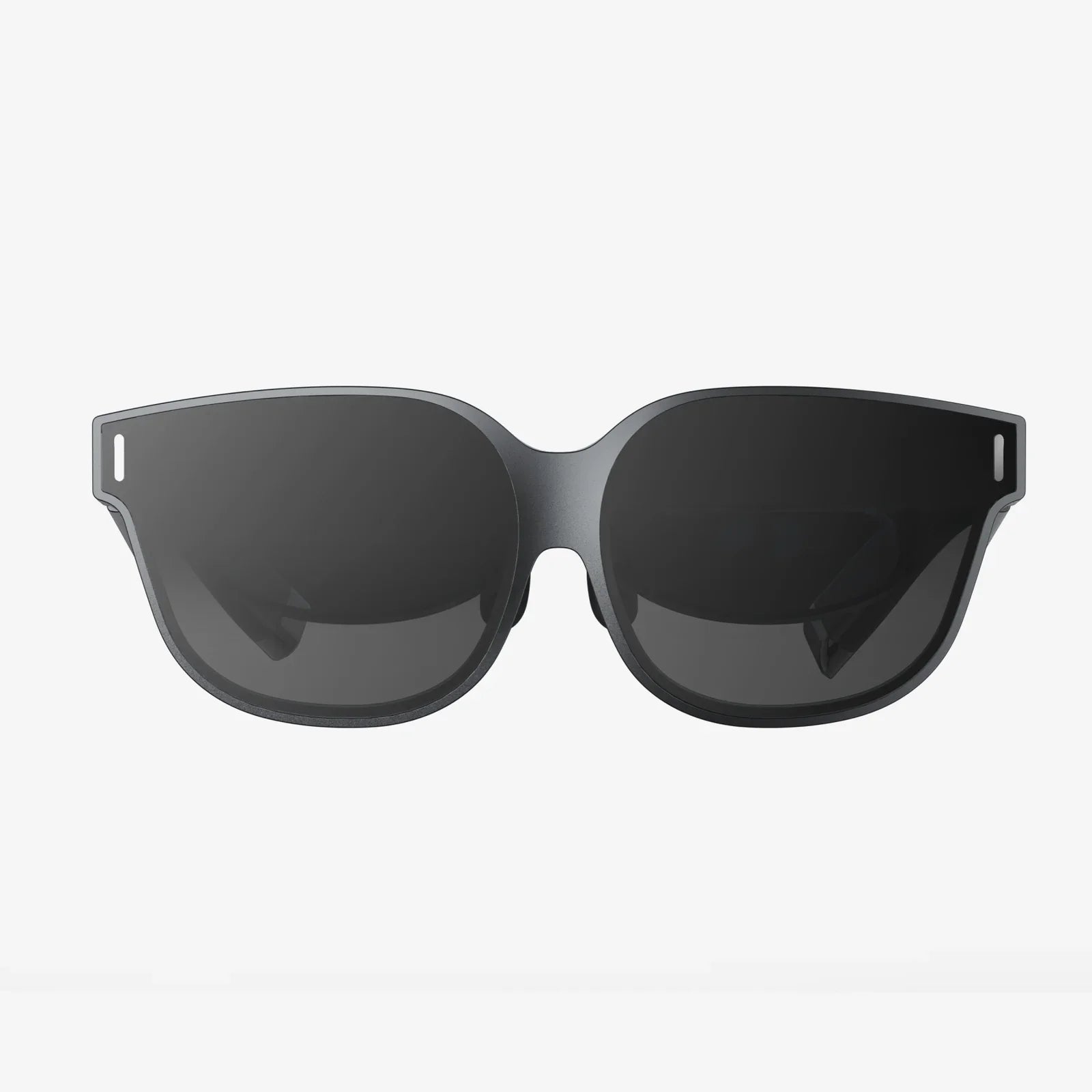
Imagine a silent, invisible audience living in your home, riding in your car, and sitting in your office, meticulously noting your every habit, preference, and secret. This isn't the plot of a dystopian novel; it's the reality of the modern connected life, powered by the smart devices we willingly invite into our most private spaces. From the moment you wake up to a gentle voice announcing the weather to the final command that turns off the lights, these gadgets are not just obeying—they are observing, learning, and often, sharing.
The Architecture of Observation: How Data is Captured
To understand what your devices know, you must first understand how they gather information. It's a complex ecosystem of sensors, microphones, and software working in concert, often without a single beep or blink to signal their activity.
The Always-On Ears: Voice Assistants and Microphones
Voice-activated assistants represent one of the most intimate data collection points in a smart home. These devices typically operate by listening for a "wake word." However, the process of distinguishing this wake word from background noise means that a continuous, rolling buffer of audio is processed locally on the device. While the companies state that nothing is transmitted to their servers until the wake word is detected, this buffer itself is a form of constant ambient monitoring. Every conversation, every cough, every piece of background music that occurs within range is, for a few seconds, in the device's memory, awaiting a trigger to send it into the cloud for full analysis.
The Ever-Watchful Eyes: Cameras and Sensors
Smart cameras, doorbells, and televisions equipped with cameras add a visual layer to data collection. They don't just see motion; they analyze it. Advanced algorithms can now distinguish between a person, a pet, and a car. They can identify specific individuals through facial recognition, track movement patterns through a home, and even infer activities. Beyond cameras, other sensors are equally prolific. Smart thermostats learn your schedule by detecting movement and ambient temperature. Smart refrigerators with internal cameras can track consumption habits, noting when you're low on milk. Fitness trackers and smartwatches compile a breathtakingly detailed biometric map of your body—heart rate variability, sleep stages, blood oxygen levels, and location—creating a continuous health narrative.
The Silent Trackers: Browsing, Usage, and Network Data
Even without cameras or microphones, devices are formidable data harvesters. Your smart TV collects information on what you watch, when you watch it, and for how long, often pairing this with a unique advertising identifier. Smart speakers can detect your proximity through ultrasonic frequencies or Bluetooth beacons. Most critically, every device connected to your home router generates network traffic data. This metadata—the "when," "where," and "how much" of your digital activity—can be incredibly revealing, painting a accurate picture of your daily life even without knowing the specific content of your communications.
The Web of Sharing: Where Does Your Data Go?
The raw data collected by a device is rarely its final form. It enters a vast and often opaque distribution chain.
First-Party Sharing: The Manufacturer's Cloud
The primary destination for most data is the cloud servers owned by the device manufacturer. Here, voice clips are transcribed, video footage is analyzed, and sensor data is crunched to improve functionality and personalize your experience. This is done under the umbrella of the company's privacy policy and terms of service—lengthy documents few users read. These policies grant the company broad rights to use your data to "improve services," which often includes training their machine learning algorithms. While many claim to anonymize this data, the line between anonymized and identifiable is notoriously thin, especially when so many data points can be woven together to re-identify an individual.
Third-Party Sharing: The Data Broker Economy
This is where the sharing ecosystem expands dramatically. A thriving industry of data brokers exists to buy, sell, and trade consumer information. Device manufacturers may share aggregated and anonymized datasets with these brokers, who then combine them with thousands of other data points purchased from other sources—loyalty card programs, app usage, public records. Through this process of data enrichment, a broker can build a shockingly detailed profile that includes your inferred income, political leanings, health concerns, and purchasing intent. This profile is then sold to advertisers, insurers, and even financial institutions, often without your explicit knowledge or consent.
The Illusion of Anonymity
A common defense from the industry is that shared data is "anonymized." However, academic research has repeatedly shown that it is remarkably easy to de-anonymize data. Your unique pattern of device usage, the specific times you come and go from your home, your distinctive combination of purchased products, and your location history form a fingerprint that is as unique as your DNA. If a company knows that "User 12345" listens to a specific niche podcast every morning at 7:15 AM, buys organic kale, and has a sleep pattern indicating insomnia, it doesn't need a name to know exactly who that person is when that data is cross-referenced with another database.
The Tangible Risks: Beyond Targeted Ads
While being served an eerily specific advertisement can be unsettling, the risks associated with smart device data sharing extend far deeper.
Privacy Erosion and Psychological Impact
The constant, pervasive sense of being watched can fundamentally alter human behavior, a phenomenon known as the "chilling effect." You might hesitate before having a private conversation in your living room or researching a sensitive medical condition online. This slow erosion of private space, where one's home is no longer a true sanctuary, has profound implications for mental well-being and freedom of thought.
Security Vulnerabilities and Physical Danger
Smart devices are frequent targets for hackers. A compromised device is more than an inconvenience; it can be a critical vulnerability. Hackers who access a smart home system can learn your daily routine, knowing exactly when the house is empty. They can disable security cameras or unlock smart doors. Access to a baby monitor or internal camera is a severe violation of safety. Furthermore, data breaches at the manufacturer or data broker level can expose your most intimate habits to malicious actors on the dark web.
Discrimination and Life Outcomes
The profiles built from your device data can be used to make consequential decisions about your life. Health insurers might infer chronic conditions from sleep data or grocery purchases and adjust premiums. A car insurance company could use data from a smart car dongle or your driving history inferred from location data to set your rates. Employers might use fitness tracker data to make assumptions about your health and productivity. This creates a new form of digital discrimination, where algorithms make life-altering judgments based on opaque and potentially flawed inferences from your private activities.
Reclaiming Your Digital Sanctuary: Practical Steps for Protection
While the landscape seems daunting, you are not powerless. Taking proactive steps can significantly reduce your digital footprint and reclaim a measure of privacy.
Audit and Configure: The Power of Settings
Your first line of defense is the device itself. Before installing any new gadget, meticulously review its privacy and permission settings. Disable any data collection features you don't absolutely need. For voice assistants, regularly review and delete your voice history. For smart TVs, opt out of automatic content recognition (ACR) and targeted advertising. For all devices, change default passwords immediately and ensure they are strong and unique.
Segment and Secure: The Network Level
Your router is the gateway for all this data. Use its features to create a separate Wi-Fi network specifically for your Internet of Things (IoT) devices. This walls them off from your primary devices like laptops and phones, which contain your most sensitive information. If a smart device is compromised, this segmentation helps prevent a hacker from moving laterally to your computer to access banking details or personal files. Also, ensure your router's firmware is always up to date.
Embrace Digital Minimalism: Questioning Necessity
The most effective strategy is also the simplest: buy fewer smart devices. Seriously question whether an appliance needs to be connected to the internet. Does your light bulb really need to be controlled by your phone, or would a simple switch suffice? Does your coffee maker need to be on the network? By adopting a mindset of digital minimalism, you drastically reduce the number of potential data leaks in your environment. For the devices you do own, physically disable features you don't use, like covering built-in cameras with a sliding shutter and using the mute button on voice assistants when not in active use.
Demand Transparency: The Collective Voice
Finally, use your voice as a consumer. Support organizations and legislation that advocate for stronger digital privacy rights, such as the right to know what data is collected, the right to delete it, and the right to opt out of its sale. Pressure manufacturers to adopt clear, simple, and honest privacy labels and to make privacy-friendly settings the default, not a hidden option.
The convenience offered by our digital companions is undeniable, a siren song of efficiency and customization. But this comfort has a price, paid not in currency, but in intimate fragments of our lives, silently traded in a market we never see. The goal is not to reject technology outright, but to engage with it consciously, with eyes wide open to the silent exchange happening in the background. By understanding the intricate dance between convenience and disclosure, you can make informed choices, fortify your digital walls, and ensure that your smart home serves you, not the other way around. The power to define the boundaries of your private world, it turns out, is still ultimately yours to command.
Share:
AR Analytics The Invisible Engine Powering the Next Digital Revolution
Wearable HUD: The Invisible Revolution Reshaping Our Digital and Physical Worlds