


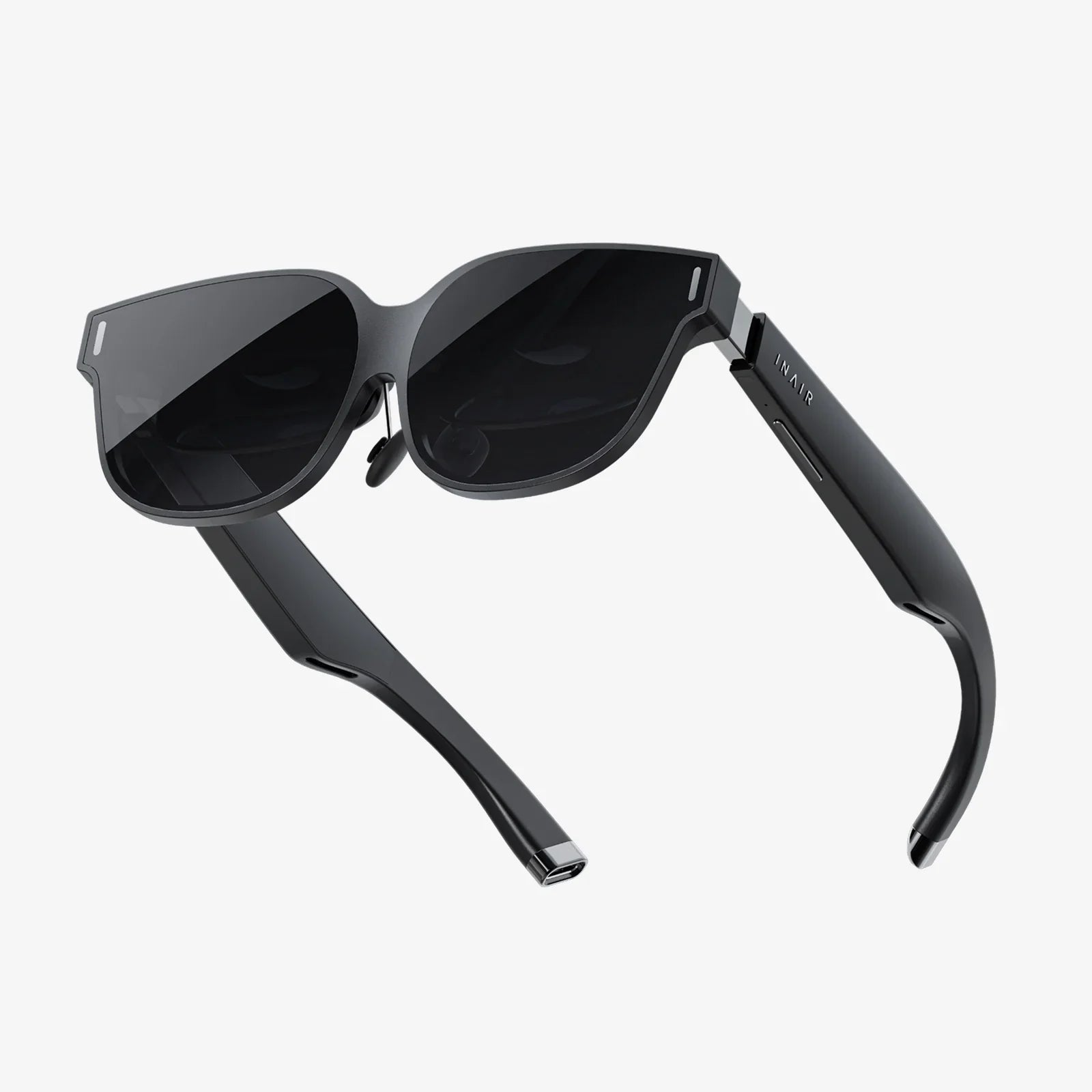
Imagine a world where digital information doesn't just live on a screen but is seamlessly woven into the fabric of your reality. This is the promise of augmented reality (AR), a technology rapidly transforming industries from manufacturing and medicine to retail and recreation. But with a burgeoning ecosystem of tools and technologies, a single question echoes from boardrooms to developer hubs: what's the best augmented reality platform? The answer, as you might suspect, is not a simple one. The "best" platform is not a universal title bestowed upon a single piece of software; it is a carefully considered verdict that depends entirely on your specific goals, resources, and the experience you wish to create. This definitive guide will navigate the complex AR landscape, providing you with the framework to identify the perfect platform for your unique vision.
Deconstructing the AR Platform: More Than Just an App
Before we can crown a champion, we must first understand what an AR platform truly encompasses. It is far more than a simple application for creating filters. A comprehensive AR platform is a multifaceted ecosystem that typically includes:
- Development Tools (SDK): The core software development kit that provides the foundational code libraries, APIs, and resources for building AR experiences. This is the engine of the platform.
- Content Management System (CMS): A backend interface for uploading, managing, and deploying AR content without needing to rewrite code, crucial for marketing and retail campaigns.
- Publishing & Distribution: The means by which the final experience reaches the end-user, whether through native app stores, web browsers, or specialized enterprise channels.
- Cross-Platform Support: The ability for the platform's creations to run on various operating systems and device types, from high-end headsets to ubiquitous smartphones.
- Cloud Services: Features like cloud-based image recognition, persistent AR world storage, and multi-user synchronization that offload processing and enable complex experiences.
The Core Considerations: Your Blueprint for Selection
Selecting the right platform is a strategic decision. You must align its capabilities with your project's core requirements. Ignoring these factors is the fastest path to costly mistakes and dead-end projects.
1. Development Environment and Workflow
How do you, or your developers, prefer to work? The choice of game engine is often the first and most critical step. The two giants in this space are Unity and Unreal Engine. Unity is renowned for its accessibility, vast asset store, and C# scripting, making it a favorite for mobile AR and rapid prototyping. Unreal Engine boasts superior graphical fidelity and visual scripting with Blueprints, ideal for creating high-end, immersive experiences, though it can have a steeper learning curve. Many AR platforms offer deep integration with one or both of these engines, drastically streamlining the development process.
2. Target Hardware and Deployment Method
Where will your audience experience your AR creation? This is arguably the most decisive factor.
- Mobile AR (Smartphones & Tablets): The largest addressable market. Development focuses on leveraging device cameras, IMUs, and AR capabilities built into mobile operating systems. The deployment is typically through app stores or, increasingly, the web.
- WebAR (Browser-Based AR): This method offers incredible accessibility, requiring no app download. Users simply click a link and the experience loads in their mobile browser. While historically limited in capability, WebAR has made monumental strides in tracking and performance, making it a powerful tool for marketing, packaging, and quick engagements.
- Specialized Headsets (Standalone & Tethered): This category includes everything from enterprise-focused binocular headsets for hands-free work to consumer-grade glasses. Development for these platforms is more specialized, often requiring a specific SDK provided by the hardware manufacturer to access advanced features like spatial mapping, hand tracking, and immersive displays.
3. Tracking and Environmental Understanding
The magic of AR lies in its ability to understand and interact with the real world. This is achieved through different tracking methodologies:
- Marker-Based (Image/Object Tracking): Relies on a predefined visual target (a printed image, a product package, a machine part) to anchor and trigger the digital content. It's highly reliable and precise.
- Markerless (Surface Tracking): Uses the device's sensors to detect horizontal planes (floors, tables) and vertical planes (walls) to place content. This is the foundation for most mobile AR apps like furniture preview.
- Geospatial (Location-Based AR): Uses GPS, compass, and accelerometer data to pin digital content to specific real-world longitude and latitude coordinates, powering experiences like interactive city tours and gaming.
- Body and Face Tracking: Advanced platforms offer SDKs dedicated to tracking the human form, enabling realistic avatars, immersive fitness coaching, and the popular face filters and animations seen on social media.
4. Multi-User and Persistent Experiences
Is your goal a solitary experience or a shared one? Social and collaborative AR is the next frontier. Platforms that support this functionality enable multiple users to see and interact with the same digital objects simultaneously from different devices, whether in the same room or across the globe. This requires robust networking solutions and, often, cloud services to maintain a shared state of the AR environment. Furthermore, persistence allows these digital objects to remain in place across different sessions, so a note left on a machine in a factory or a virtual sculpture in a park is still there days later for others to find.
5. The Business Side: Cost, Licensing, and Scalability
The technological prowess of a platform is meaningless if it doesn't make business sense. You must scrutinize the licensing model. Is it a royalty-free, annual subscription? Does it take a revenue share after a certain threshold? Are there costs associated with cloud services or compute usage? For enterprise applications, consider the platform's proven track record in your industry, the quality of its technical support, and its commitment to security and data privacy. An open-source platform might offer freedom but require more in-house expertise, while a proprietary commercial platform might offer turnkey solutions at a premium.
Weighing the Titans and the Specialists
While we avoid naming specific brands, the AR platform landscape can be grouped into distinct archetypes, each with its own philosophy and strengths.
The Mobile OS Giants
The companies behind the world's dominant mobile operating systems provide the foundational AR toolkits that power a vast majority of experiences. Their SDKs are deeply integrated into the OS, offering unparalleled performance and access to the device's sensors. They excel in robust plane finding, environmental understanding, and light estimation, making them the default choice for high-fidelity, native mobile AR applications. Their primary strength is their ubiquity and stability, but they often lack the high-level content management and cross-platform flexibility of other solutions.
The Cross-Platform Powerhouses
These third-party platforms have built their reputation on abstraction and flexibility. Their core value proposition is "code once, deploy everywhere." They create a unified layer that works across iOS, Android, and often WebAR, significantly reducing development time and cost for projects that need to reach the widest possible audience. Many of these platforms also bundle powerful CMS for non-technical users to update content, robust cloud recognition services for scanning millions of images, and advanced features like multi-user support. They are the Swiss Army knives of the AR world, ideal for marketing agencies, e-commerce, and businesses that need to deploy scalable campaigns across diverse device ecosystems.
The Specialized Natives
This category is for platforms built specifically for a single type of hardware, namely standalone AR headsets. These SDKs are provided by the headset manufacturers themselves and are designed to leverage every ounce of their hardware's potential—advanced SLAM (Simultaneous Localization and Mapping), inside-out tracking, gesture control, and spatial audio. Developing with these platforms means you are all-in on that specific hardware ecosystem, which is a major commitment. However, it is the only way to create truly immersive, hands-free AR applications for enterprise training, complex design visualization, and guided industrial procedures where mobile phones are impractical.
The Open-Source Contenders
For those with deep technical expertise and a desire for complete control, open-source AR libraries exist. These projects provide the fundamental computer vision algorithms for tracking and mapping without the commercial licensing or sometimes the high-level polish of commercial SDKs. They offer maximum flexibility and can be modified for highly specialized use cases, but they require a significant investment in development time and lack official support channels, placing the onus of troubleshooting and maintenance entirely on your team.
Future-Proofing Your Choice: The Horizon of AR
The AR landscape is not static. The technology we today consider cutting-edge will be obsolete tomorrow. When evaluating a platform, you must consider its roadmap and its alignment with the future of computing.
- The Metaverse and Spatial Web: The concept of a persistent, interconnected digital layer over reality is gaining momentum. Platforms that are investing in open standards, interoperability, and persistent world-building are positioning themselves for this future.
- Wearable Wave: The ultimate goal of AR is moving beyond the phone into stylish, all-day wearable glasses. While consumer-grade glasses are still evolving, your chosen platform's commitment to and compatibility with emerging optical displays is a critical long-term consideration.
- AI Integration: The next leap in AR intelligence will come from artificial intelligence. Platforms that seamlessly integrate with AI services for object recognition, semantic understanding (e.g., not just seeing a chair, but knowing it's a chair), and natural language processing will enable context-aware experiences we can barely imagine today.
So, what's the best augmented reality platform? The truth is, you now hold the answer. It is the platform that perfectly balances your technical requirements (hardware, tracking, features) with your business objectives (budget, audience, scalability) and has a clear vision for the future you want to build. There is no one-size-fits-all solution, only the right tool for the right job. The journey begins not by searching for a mythical "best" platform, but by meticulously defining the reality you wish to create. The digital frontier is waiting; your blueprint is now complete.
Share:
Coolest Wearable Tech: Beyond the Wrist and Into the Future
Virtual Meeting What Does It Mean: The Complete Guide to the New Normal of Collaboration